Discover space-saving and eco-smart vertical garden designs for urban homes. Learn how to create modern, beautiful, and low-maintenance living walls.
🌿 Introduction — Small Space, Big Greens
Imagine transforming your compact apartment or tiny balcony into a lush green haven — without needing a yard or large planters. That’s the magic of vertical garden designs for urban homes, where creativity meets sustainability. These gardens grow upward instead of outward, using walls, shelves, or hanging structures to bring nature into even the smallest spaces.
Urban living often limits our connection to greenery. Yet, modern vertical garden designs for urban homes make it possible to enjoy fresh herbs, colorful flowers, and air-purifying plants right inside your apartment. They’re not just about saving space — they enhance your mood, purify indoor air, and turn dull walls into vibrant, living art.
Whether you choose a simple DIY plant wall or a high-tech hydroponic setup, vertical garden designs for urban homes redefine how we think about gardening in cities. With clever systems that optimize sunlight, irrigation, and design, anyone can grow a thriving vertical garden, no matter the floor space.
By the end of this post, you’ll discover 10 stunning vertical garden designs for urban homes that prove nature doesn’t need acres — just a little imagination and the right setup.
🌿 Because in 2025, green living isn’t about having space — it’s about making space thrive.
🌿 What Is a Vertical Garden?
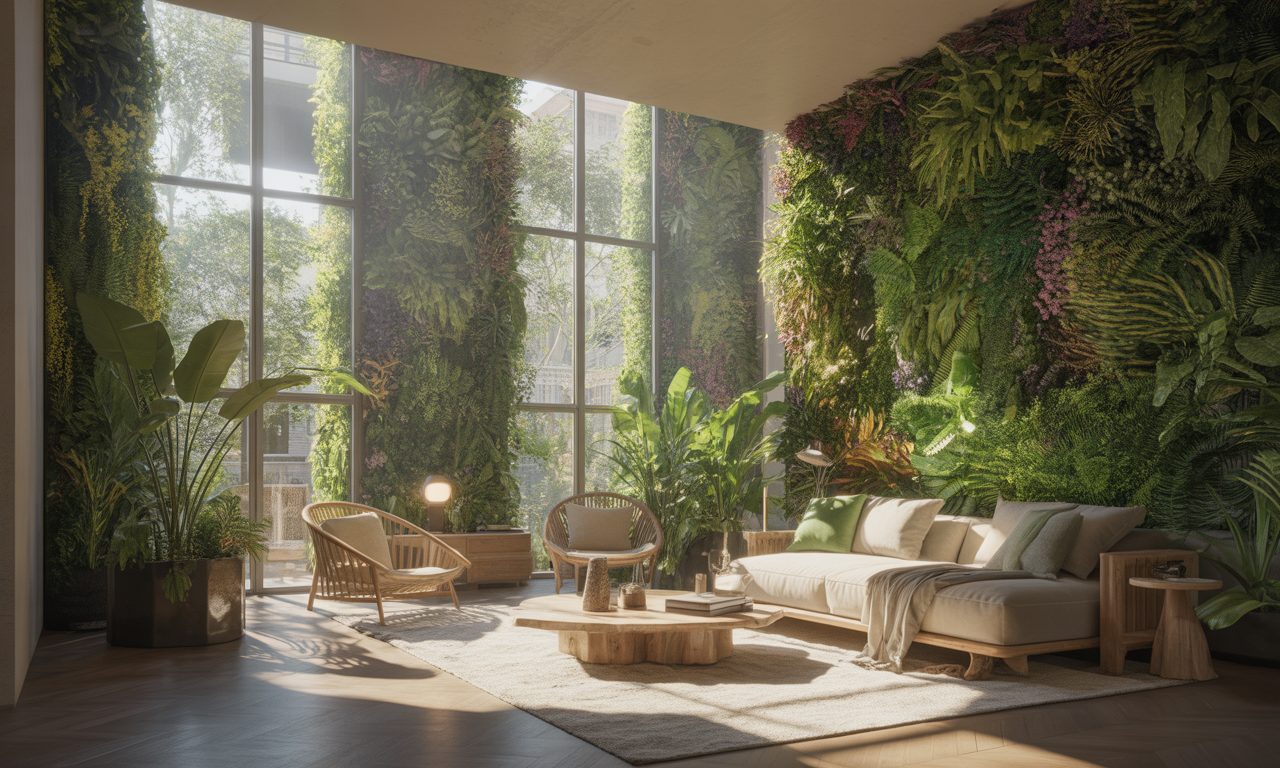
A vertical garden is a creative way to grow plants upward using walls, panels, or hanging systems instead of spreading across the ground. These designs are a modern solution for city dwellers who want greenery but lack outdoor space. In simple terms, vertical garden designs for urban homes transform unused walls into thriving green spaces filled with herbs, flowers, and even vegetables.
Unlike traditional gardening, which demands wide plots and soil beds, vertical gardening relies on compact systems such as pocket planters, hydroponic walls, or stacked containers. These methods not only save space but also add texture and freshness to your home. They’re ideal for apartments, condos, or any modern dwelling where every inch counts.
One of the biggest advantages of vertical garden designs for urban homes is their adaptability. You can mount them on a kitchen wall, balcony railing, or living room partition. With lightweight materials, automated watering options, and smart plant monitors, they’re surprisingly low-maintenance.
So, whether your goal is to grow fragrant herbs for cooking or to enhance your home’s interior with natural beauty, a vertical garden provides a simple and sustainable way to live greener — even in the heart of the city.
🌿 Why Choose Vertical Garden Designs for Urban Homes
In bustling cities where every square foot matters, vertical garden designs for urban homes are more than just a trend — they’re a modern necessity. They allow you to experience the joy of gardening without sacrificing your precious floor space. Whether you’re living in a studio apartment, a high-rise condo, or a compact townhouse, vertical gardens bring nature closer in a stylish, sustainable way.
One of the key advantages of these gardens is their space-saving design. Instead of spreading outward like traditional planters, vertical gardens grow upward along walls or panels, making efficient use of tight spaces. You can turn a dull kitchen wall into a herb garden, transform a balcony into a living green screen, or install a vertical setup near a window for instant freshness. It’s gardening redefined for compact living.
Beyond aesthetics, vertical garden designs for urban homes improve air quality by filtering toxins and increasing oxygen levels indoors. Studies show that having greenery indoors reduces stress, sharpens focus, and boosts overall mood. These living walls act as natural humidifiers, balancing your home’s atmosphere and bringing a sense of calm to your daily routine.
What’s even more exciting is the flexibility. Vertical gardens fit every style — from modern minimalist to boho-chic. You can experiment with indoor wall planter systems, smart irrigation setups, or eco-friendly DIY frames using recycled materials. They also require minimal maintenance thanks to automatic watering systems and modular designs that make replanting easy.
In 2025, as urban living becomes smarter and more conscious, vertical garden designs for urban homes represent a beautiful fusion of technology, art, and ecology. They don’t just make homes greener — they make them more alive.
🌱 When you run out of space, remember: your walls are waiting to bloom.
🌿 Types of Vertical Garden Systems
Before starting your project, it’s essential to understand that vertical garden designs for urban homes come in many forms — each suited to different needs, spaces, and styles. From natural wooden frames to advanced hydroponic systems, these vertical setups let you customize how your green wall looks and functions. Here are the most popular types of systems you can explore in 2025:
🪴 1. Living Wall Systems
A living wall is a self-sustaining structure where plants grow directly on panels attached to a wall. These systems often include built-in drip irrigation and nutrient delivery. They are perfect for city apartments or office corners that need a touch of freshness.
Pro Tip: Choose low-maintenance plants like pothos, philodendrons, and ferns for effortless upkeep.
🌱 2. Pocket Planters
Pocket planters are among the easiest vertical garden designs for urban homes. Made of felt or recycled fabric, these planters have multiple pockets where you can grow herbs, succulents, or flowers. They’re ideal for renters since they can be hung on walls without permanent installation.
Pro Tip: Use a lightweight potting mix to prevent excess water retention.
🧱 3. Stacked or Tiered Planters
Stacked planters use vertical tiers or shelf-like structures, allowing you to grow multiple plant varieties in minimal space. They’re perfect for balconies and patios and can even double as privacy screens.
Pro Tip: Combine herbs and small vegetables like lettuce for a mini kitchen garden effect.
💧 4. Hydroponic Vertical Gardens
For those who love smart gardening, hydroponic systems are the future. These soil-free setups deliver nutrients directly through water, offering faster growth and less mess. They’re great for high-tech apartments looking to merge innovation with sustainability.
Pro Tip: Pair hydroponics with smart sensors to automate lighting and watering cycles.
🌿 5. Trellis and Climbing Frame Gardens
Using wooden, bamboo, or metal trellises, you can grow climbing plants like ivy, jasmine, or beans. These are among the most aesthetic vertical garden designs for urban homes, blending natural beauty with structural elegance.
Pro Tip: Use UV-protected wood or rust-proof metal for longer-lasting installations.
Each system offers unique benefits — from saving water to maximizing sunlight exposure. Whether you’re designing a wall garden in your living room or a balcony paradise, there’s a perfect vertical system waiting to transform your space.
🌿 Best Plants for Vertical Gardens
Choosing the right plants is the key to long-lasting, vibrant vertical garden designs for urban homes. Since vertical gardens rely on limited soil and controlled watering, selecting species that thrive in such environments ensures less maintenance and greater visual appeal.
For urban apartments and compact balconies, opt for plants that grow well in partial sunlight and require minimal care. Indoor wall planter systems can host aromatic herbs, trailing vines, or decorative foliage. Here’s a breakdown of some ideal plant categories for your vertical setup:
🌱 1. Herbs for Everyday Use
Fresh herbs like basil, mint, oregano, thyme, and parsley grow beautifully in small planters. They’re perfect for kitchen gardens where you can snip leaves right before cooking.
Pro Tip: Choose compact varieties and prune regularly to encourage bushy growth.
🌿 2. Air-Purifying Indoor Plants
If your goal is cleaner air, go for pothos, spider plants, peace lilies, and snake plants. These species filter toxins while adding lush texture to your living wall — ideal for bedroom or living room installations.
🌼 3. Flowering Plants for Color
Bring vibrancy to your vertical garden designs for urban homes with flowering species like begonias, petunias, impatiens, and geraniums. They add bursts of color and attract pollinators if placed near open balconies.
🍓 4. Edible & Fruiting Options
Compact varieties of strawberries, cherry tomatoes, and lettuce can thrive in vertical planters. Hydroponic or stacked systems make them easier to maintain indoors.
🌵 5. Low-Maintenance Succulents
For those who travel often, succulents such as jade, echeveria, and aloe vera are perfect. They store water efficiently and require minimal upkeep while adding a modern, minimalist look.
When planning your vertical garden, always consider the light exposure, watering schedule, and room temperature. Mix foliage textures and colors to create visual depth — pairing trailing vines with upright herbs for balance and movement.
With the right combination of species, your vertical garden designs for urban homes will not only look stunning but also flourish year-round with minimal effort.
🧰 Tools & Materials You’ll Need
Before building your first wall garden, it’s crucial to gather the right tools and materials. Well-chosen supplies make your project easier and ensure your vertical garden designs for urban homes stay strong, healthy, and visually appealing over time. Let’s explore what you’ll need to create a stunning setup that fits your space and style.
🪛 1. Basic Tools for Setup
You don’t need an entire workshop — just a few simple tools:
- Measuring Tape – for accurate wall and planter spacing.
- Drill and Screws – to securely mount frames or pocket planters.
- Spirit Level – to keep your planters aligned.
- Pruning Shears – for trimming overgrown foliage and maintaining shape.
- Gloves and Safety Goggles – to protect your hands and eyes during setup.
Pro Tip: Always check the wall strength before drilling — concrete and brick walls are ideal for mounting vertical systems.
🌿 2. Essential Gardening Materials
Once your framework is ready, gather these must-have materials:
| Material | Purpose |
| Lightweight Potting Mix | Promotes drainage and prevents root rot. |
| Fertilizer (Organic or Slow-Release) | Provides nutrients for healthy growth. |
| Mulch or Coco Peat | Retains moisture in shallow soil layers. |
| Drip Irrigation Kit | Automates watering for uniform moisture levels. |
| Mounting Hooks or Brackets | Holds modular planters firmly on the wall. |
These materials form the foundation of sustainable vertical garden designs for urban homes, ensuring your plants thrive with minimal upkeep.
💡 3. Smart Add-ons for Modern Homes
In 2025, gardening meets technology. Consider adding:
- Automatic Timers – for irrigation and grow lights.
- Moisture Sensors – to track soil health via an app.
- LED Grow Lights – perfect for shaded apartments.
- Eco-Friendly Planters – made from bamboo or recycled plastic.
Pro Tip: Smart sensors can save up to 40% of water by automating when and how your plants are watered.
🪴 4. Recommended Sustainable Materials
Whenever possible, choose eco-conscious materials — recycled wood, coconut fiber planters, or metal mesh frames. These not only reduce waste but also enhance the earthy charm of vertical garden designs for urban homes.
Having these tools and materials ready ensures your garden project runs smoothly from start to finish. A little preparation upfront leads to a long-lasting, self-sufficient green wall that’s both practical and beautiful.
🪴 DIY Vertical Garden Ideas for Urban Homes
Creating your own vertical garden designs for urban homes is simpler than it looks. With a little creativity and a few basic tools, you can turn empty walls, fences, or balconies into green masterpieces. These DIY projects are perfect for beginners, renters, or anyone who wants to personalize their space without major renovation work.
Here are some tried-and-true vertical garden ideas that bring instant freshness to any modern home:
🌿 1. Pallet Wall Garden
Recycling old wooden pallets into vertical planters is one of the easiest and most budget-friendly methods. Line the pallet with landscape fabric, fill it with soil, and plant herbs or flowers in the gaps.
Pro Tip: Sand the wood and treat it with a natural sealant to make it weatherproof for balconies or patios.
🌱 2. Hanging Bottle Garden
Reuse plastic bottles to build an eco-friendly garden wall. Cut open bottles, fill them with potting mix, and hang them in vertical rows using strong ropes or wires. It’s an ideal setup for herbs or small flowering plants.
Pro Tip: Make small drainage holes at the bottom to avoid root rot.
🪞 3. Ladder Shelf Garden
If you have an old ladder lying around, repurpose it into a rustic vertical planter. Each step becomes a mini plant shelf for pots of different sizes. It’s perfect for small balconies or indoor corners.
Pro Tip: Add small LED string lights around the ladder for evening ambiance.
💧 4. PVC Pipe Vertical Garden
PVC pipes can be turned into modular vertical planters with minimal effort. Drill planting holes along the sides, fill with lightweight soil, and mount the pipes vertically on a wall.
Pro Tip: Combine this with a drip irrigation system for automatic watering.
🪴 5. Hanging Wall Pockets
Fabric or felt wall pockets are versatile, lightweight, and easy to hang. They’re excellent for herbs and trailing plants. These are among the most space-efficient vertical garden designs for urban homes, especially in kitchens and balconies.
Pro Tip: Rotate plants seasonally to maintain color and freshness all year.
Whether you prefer rustic wooden aesthetics or modern recycled designs, these DIY options allow you to express creativity while bringing nature indoors. They’re cost-effective, beginner-friendly, and add personality to your space without clutter.
🌱 When space runs short, creativity grows tall — one wall garden at a time.
⚙️ Smart & Automated Vertical Gardens
Technology has completely reshaped how we care for plants. In today’s world of automation and connected devices, vertical garden designs for urban homes can now be managed with a tap on your smartphone. These smart systems not only make gardening easier but also more efficient and sustainable, especially for busy city dwellers.
Smart vertical gardens combine the principles of automation, hydroponics, and IoT (Internet of Things) to create self-sustaining ecosystems. They monitor temperature, humidity, and soil moisture while automatically watering and feeding your plants as needed. For those who live in apartments or travel frequently, these systems are game-changers.
🌿 1. App-Controlled Smart Gardens
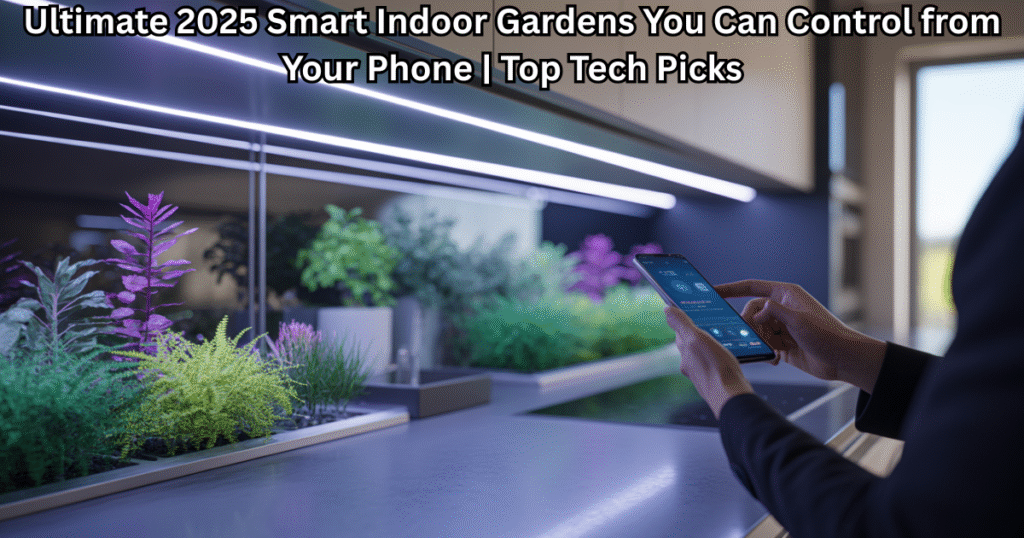
Modern brands like Click & Grow, Rise Gardens, and Veritable offer sleek indoor systems with built-in LED grow lights and app connectivity. You can adjust watering schedules, control lighting intensity, and even receive plant health alerts through your phone.
Pro Tip: Use smart gardens for herbs, lettuce, and compact edible plants that thrive in consistent light and moisture.
💧 2. Automated Hydroponic Walls
Hydroponic vertical gardens skip soil altogether, using nutrient-rich water to feed plants. The system recycles unused water, making it eco-friendly and perfect for high-rise homes. These are among the most sustainable vertical garden designs for urban homes, conserving up to 90% more water than traditional gardening.
Pro Tip: Keep the reservoir clean and refill nutrients every two weeks for optimal growth.
🌱 3. WiFi-Enabled Irrigation Systems
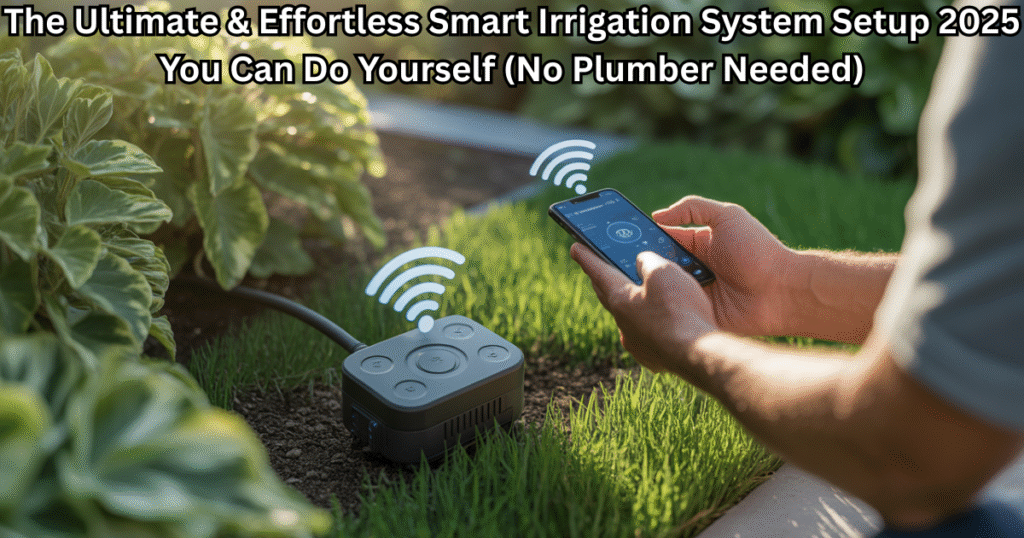
If you already have a manual setup, upgrade it with WiFi irrigation timers and moisture sensors. These smart add-ons measure soil conditions and automatically trigger watering cycles. The best part? You can monitor everything remotely.
Pro Tip: Pair these systems with voice assistants like Alexa or Google Home for full automation.
💡 4. Smart Lighting for Indoor Growth
Smart grow lights simulate natural sunlight for apartments with limited exposure. You can customize brightness, duration, and color temperature for each plant type.
Pro Tip: Set your grow lights on an automated timer to mimic sunrise and sunset cycles for better plant health.
Integrating smart technology into your vertical garden designs for urban homes ensures consistent growth, better yields, and minimal maintenance. Whether it’s a sleek countertop garden or a living wall managed by AI, these innovations make modern gardening effortless and futuristic.
🌿 Let your plants thrive even when you’re miles away — because technology never forgets to water them.
🌸 Design Inspirations for Every Urban Home
When it comes to personalizing your space, the true beauty of vertical garden designs for urban homes lies in their flexibility. Whether you’re decorating a minimalist studio, a cozy balcony, or a luxury apartment, there’s always a way to make your green wall reflect your personality and lifestyle. Here are some inspiring design ideas that merge creativity, functionality, and modern aesthetics.
🏙️ 1. Minimalist Apartment Garden
If you love clean lines and simplicity, opt for a neutral-toned wall garden. Wooden grids or matte metal frames filled with uniform green plants such as pothos or philodendrons bring balance and calm.
Pro Tip: Keep the color palette consistent — greens, whites, and soft browns create a relaxing vibe.
🌿 2. Balcony Bliss Setup
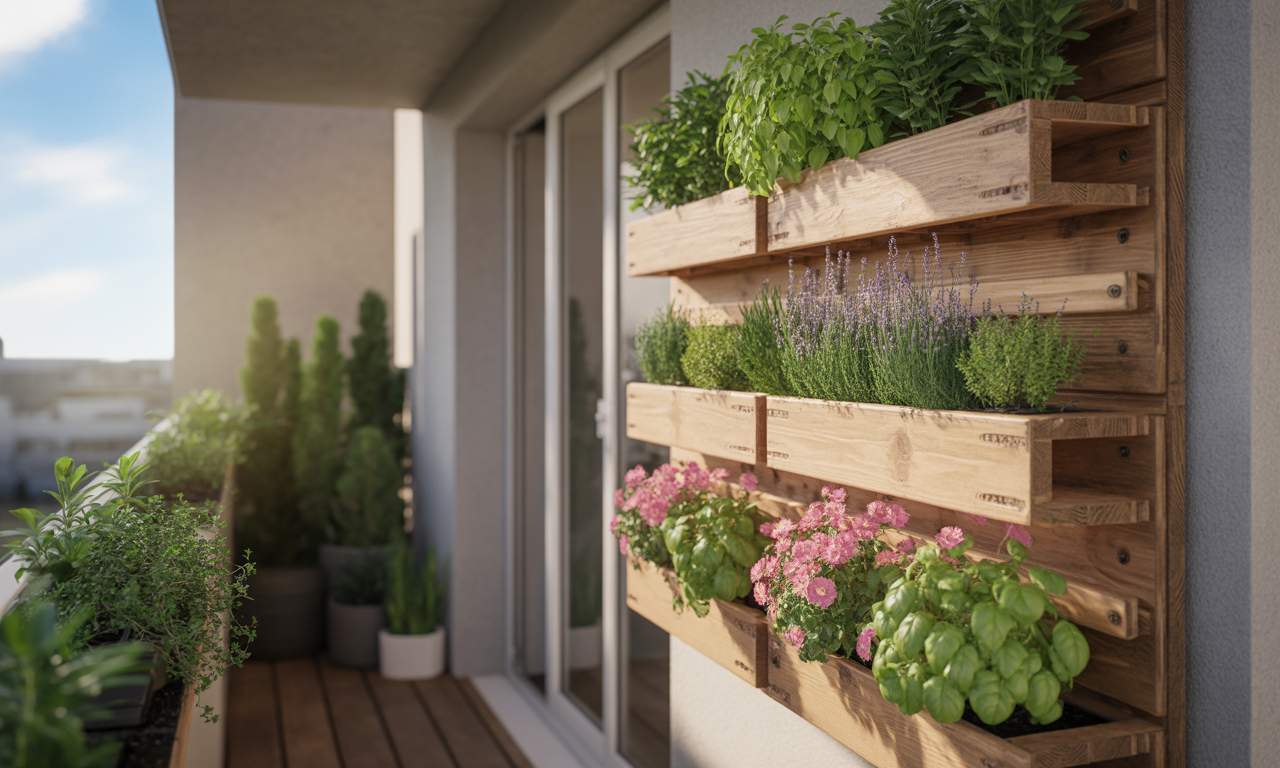
A balcony offers the perfect canvas for compact vertical garden designs for urban homes. Use bamboo trellises, stacked planters, or modular wall racks to grow herbs and colorful flowering plants. It not only enhances your view but also provides privacy from neighboring buildings.
Pro Tip: Choose plants that thrive in sunlight — marigolds, basil, and lavender make ideal balcony companions.
💡 3. Smart Indoor Living Wall
For a futuristic touch, go for a tech-inspired design. Combine hydroponic systems, grow lights, and app-controlled irrigation for a high-efficiency living wall. These smart gardens suit modern interiors where automation meets eco-consciousness.
Pro Tip: Use smart lighting to highlight your wall garden at night and create a soothing ambiance.
🌸 4. Artistic Wall Mosaic
For a more expressive setup, use colorful ceramic planters or hexagonal modular units arranged in creative patterns. This idea transforms vertical garden designs for urban homes into living art pieces.
Pro Tip: Mix trailing plants like ivy with upright varieties to create visual contrast and depth.
🌱 5. Kitchen Herb Wall
Make cooking more rewarding by designing a vertical herb wall. Mount small pots of rosemary, mint, and cilantro on a lightweight rack near your kitchen window. It saves counter space and adds fresh aromas to your meals.
Pro Tip: Rotate herbs seasonally and keep grow lights on for 10–12 hours daily.
Each of these designs offers a unique blend of style and sustainability. Whether you prefer tech-driven convenience or handcrafted charm, vertical garden designs for urban homes let you grow life and beauty anywhere — no backyard required.
🌿 Your walls can be more than decoration — they can become living art.
💧 Maintenance & Care Tips
Even the most beautiful vertical garden designs for urban homes need proper care to stay lush and thriving. Regular maintenance ensures your plants continue to grow healthily, your walls remain strong, and your living space keeps its vibrant charm. Here’s how to care for your vertical garden effortlessly:
🌱 1. Watering Wisely
Overwatering or underwatering are the two biggest threats to vertical gardens. Use a drip irrigation system or a self-watering setup to maintain consistent moisture. For indoor systems, check soil dampness every few days and ensure excess water drains properly.
Pro Tip: Stick your finger 1 inch into the soil — if it feels dry, it’s time to water.
🌿 2. Lighting and Air Circulation
Plants need light, but not all light is created equal. Place your vertical garden designs for urban homes near natural sunlight or use LED grow lights for shaded corners. Good air circulation prevents mold and fungal growth, keeping the system fresh and odor-free.
💪 3. Fertilizing and Feeding
Vertical gardens have limited soil, so nutrients deplete quickly. Use organic fertilizers or slow-release granules every 3–4 weeks. Liquid seaweed or compost tea also works wonders for healthy foliage.
Pro Tip: Avoid over-fertilizing; balance is key for steady growth.
🧹 4. Pruning and Grooming
Trim dead or yellow leaves regularly to maintain airflow and appearance. Trailing plants should be pruned to prevent them from covering smaller species. Keeping your vertical garden designs for urban homes neat enhances both plant health and aesthetics.
🌸 5. Seasonal Maintenance
Each season brings unique challenges. In summer, increase watering frequency; in winter, reduce moisture and ensure adequate indoor light. Replace aging plants or soil every six months for long-term vitality.
🌿 Routine care doesn’t take long, but it makes your living wall flourish year-round — a green habit worth keeping.
🌎 Environmental & Lifestyle Benefits
Vertical garden designs for urban homes aren’t just about beauty — they redefine sustainable living. In cities surrounded by concrete, these living walls breathe life into homes while offering multiple environmental and personal benefits.
🌿 1. Better Air Quality
Plants absorb carbon dioxide and release oxygen, but vertical gardens take it a step further. They filter airborne toxins like formaldehyde and benzene, turning your home into a natural air purifier.
💧 2. Energy Efficiency
Green walls act as natural insulation. During summer, they keep interiors cool; in winter, they help retain warmth — reducing energy bills by up to 20%.
🌱 3. Noise Reduction
The dense foliage of vertical garden designs for urban homes can absorb sound, making your living space quieter and more peaceful — perfect for apartments near busy roads.
🌸 4. Mental Well-Being
Countless studies confirm that being around greenery lowers stress levels, boosts productivity, and improves mental focus. A living wall offers that daily dose of calm every time you glance at it.
🌿 5. Sustainable Urban Living
Vertical gardens represent the future of eco-conscious design — reducing your carbon footprint while reconnecting you with nature. Whether you grow herbs, flowers, or air-purifying plants, you’re contributing to a greener planet, one wall at a time.
🌱 Vertical gardening isn’t just décor — it’s a lifestyle of renewal, balance, and sustainability.
FAQ
Q1. What are the best plants for vertical garden designs for urban homes?
A: Ferns, pothos, herbs, succulents, and flowering plants like begonias work best for vertical garden designs for urban homes, offering a mix of beauty and resilience.
Q2. Can I set up a vertical garden indoors?
A: Absolutely. Use indoor wall planter systems with proper lighting and drainage for compact apartments.
Q3. Do vertical gardens require a lot of maintenance?
A: No. With self-watering planters and smart sensors, upkeep becomes quick and effortless.
Q4. How much sunlight do vertical gardens need?
A: Most indoor vertical setups thrive with 4–6 hours of indirect sunlight or LED grow lighting.
Q5. Are vertical gardens suitable for small apartments?
A: Yes! They’re ideal for small spaces, adding greenery without occupying floor area.
Q6. Can I grow vegetables in my vertical garden?
A: Definitely — herbs, lettuce, spinach, and cherry tomatoes grow perfectly in vertical systems.
Q7. How long do vertical garden systems last?
A: With regular care, quality vertical garden designs for urban homes can last 5–10 years or longer.
Q8. Are smart vertical gardens worth the investment?
A: Yes, especially for busy homeowners who want automation and consistent plant care.
💬 Conclusion & CTA
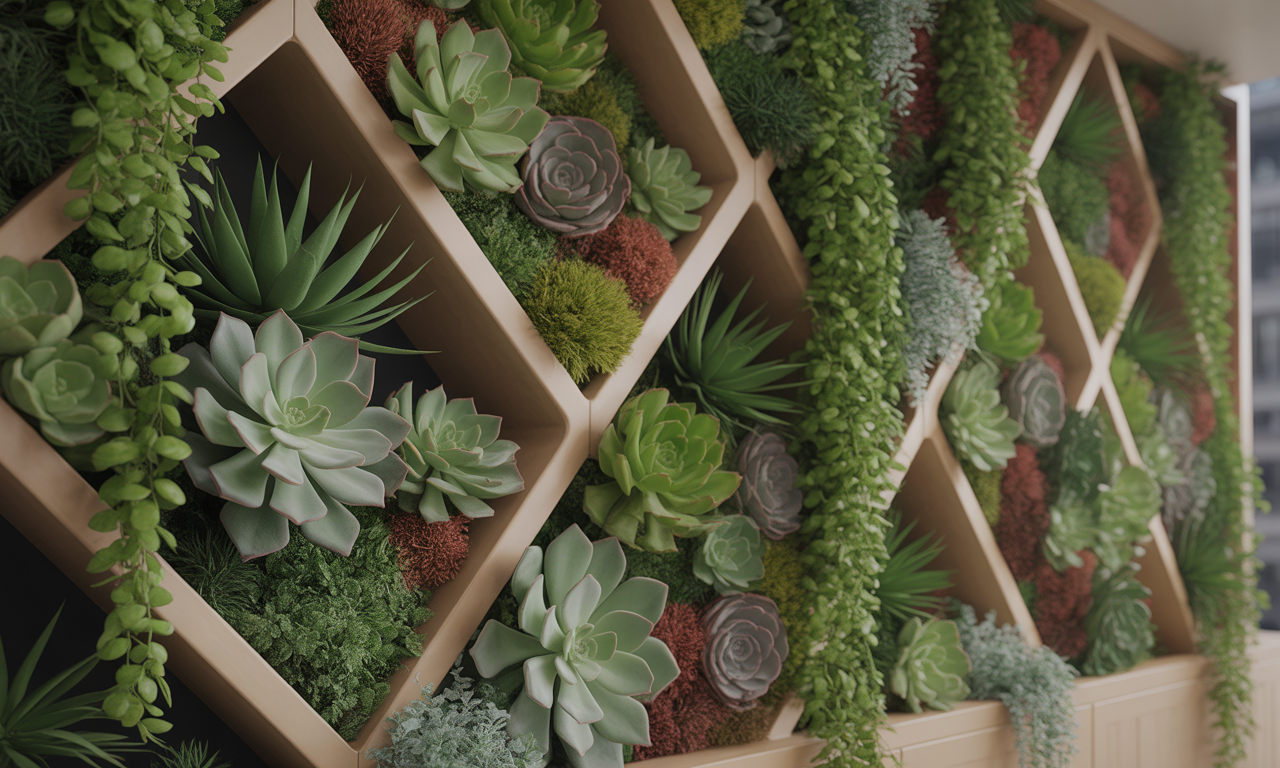
In the modern world of compact apartments and fast-paced living, vertical garden designs for urban homes bring back what’s missing — nature, serenity, and balance. They redefine how we use space, turning walls into living, breathing art. Whether it’s a DIY herb garden in your kitchen, a bamboo trellis on your balcony, or a hydroponic living wall that waters itself, each setup adds a piece of the Earth to your daily routine.
These gardens aren’t just trends; they’re lifestyle statements of sustainability and creativity. They teach us that no home is too small for a big green dream.
So, if your walls feel empty or your balcony needs a makeover, now is the perfect time to let nature climb higher.
🌿 Your home deserves a heartbeat — and a vertical garden gives it one.Now it’s your turn:
👉 Which of these vertical garden designs for urban homes inspired you the most?
Share your favorite idea in the comments or tag us on Instagram with #GardenivaVerticals — let’s make the city bloom together.
💡Looking for something different? Check out our latest post here: https://gardeniva.com/diy-cedar-raised-bed-projects-2025/