Discover the 12 best herbs you can grow indoors year-round. Easy care, budget-friendly setups & growing tips for fresh herbs all year long!
- 🌿 Introduction — Fresh Herbs, Right From Your Kitchen All Year Long
- 🌿 Understanding Indoor Herb Gardening: The Secret to Growing Herbs You Can Grow Indoors Year-Round
- 🌿 Benefits of Growing Herbs Indoors Year-Round
- 🌿 12 Best Herbs You Can Grow Indoors Year-Round (Beginner-Friendly Picks)
- 🌱 Top Picks and Growing Insights
- 💡 Lighting & Watering Tips for Herbs You Can Grow Indoors Year-Round
- 🌿 Creative Indoor Herb Garden Setup Ideas (Small Spaces + Aesthetics)
- 🌿 Care & Maintenance Tips for Herbs You Can Grow Indoors Year-Round
- 🌿 Common Problems (and Quick Fixes) for Herbs You Can Grow Indoors Year-Round
- 🌿 Harvesting & Storing Indoor Herbs the Right Way (Preservation Hacks + Flavor Retention)
- 🌿 Creative Ways to Use Herbs You Can Grow Indoors Year-Round
- 🌿 FAQ (Schema-Ready)
- 🌿 Conclusion: Cultivate Freshness and Wellness All Year Long
🌿 Introduction — Fresh Herbs, Right From Your Kitchen All Year Long
Imagine waking up to the refreshing scent of basil, mint, or rosemary wafting through your kitchen—even in the middle of winter. With the right approach, you can enjoy a steady supply of greenery, aroma, and flavor without ever stepping outside. That’s the power of cultivating herbs you can grow indoors year-round—a simple yet rewarding hobby that brings freshness to every meal and life to every corner of your home.
Urban gardening has evolved far beyond balconies and patios. Today, even the smallest apartment can host a thriving indoor herb setup. Thanks to compact LED grow lights, self-watering planters, and beginner-friendly hydroponic systems, growing herbs indoors is no longer reserved for seasoned gardeners. Whether you live in a sunny studio or a shaded flat, you can build your own mini ecosystem filled with lush, aromatic plants.
From basil and parsley to mint and thyme, there are dozens of herbs you can grow indoors year-round with minimal effort and maximum satisfaction. They don’t just enhance your cooking—they purify the air, boost your mood, and create an oasis of calm amidst busy city life.
By the end of this post, you’ll discover twelve easy, beginner-approved herbs that thrive indoors, along with practical tips on lighting, watering, and harvesting. 🌱 Let’s get your kitchen growing green—no green thumb required!
🌿 Understanding Indoor Herb Gardening: The Secret to Growing Herbs You Can Grow Indoors Year-Round
Growing herbs you can grow indoors year-round is more than a clever gardening trend — it’s a lifestyle of freshness, sustainability, and convenience. When done right, your kitchen or living room can become a lush oasis of aromatic greens that thrive every season. Whether you’re cultivating basil on your window ledge or nurturing rosemary under LED grow lights, indoor herb gardening gives you a constant connection to nature — even in compact urban homes.
The beauty of herbs you can grow indoors year-round lies in their adaptability. Unlike most vegetables, herbs such as mint, parsley, thyme, and oregano don’t require vast sunlight or large outdoor space. They flourish in moderate temperatures, partial light, and controlled moisture — making them perfect companions for apartment dwellers. With just a few essential elements — pots, soil or hydroponic media, and consistent watering — you can turn any small corner into a thriving green haven.
Moreover, maintaining herbs you can grow indoors year-round enhances more than your cooking. These plants infuse the air with subtle fragrances, reduce toxins, and create a calm, mindful environment that encourages wellness. It’s not just about growing herbs — it’s about cultivating life, health, and self-sufficiency within your home ecosystem.
So, whether you’re starting small with a few kitchen pots or designing a vertical herb garden, remember: the magic of herbs you can grow indoors year-round lies in consistency, care, and creativity. Once you master these basics, your herbs will reward you with endless freshness, flavor, and joy—twelve months a year. 🌱
🌿 Benefits of Growing Herbs Indoors Year-Round
When you grow herbs you can grow indoors year-round, you’re not just planting greenery—you’re cultivating health, freshness, and self-reliance. These compact plants do far more than decorate your windowsill. They bring fragrance to your home, flavor to your meals, and calm to your daily life. Whether you’re a city dweller with limited space or a seasoned gardener looking to extend the growing season, the rewards of indoor herb gardening are endless.
1. Year-Round Freshness at Your Fingertips
Imagine never running out of mint for your tea or basil for your pasta again. By choosing herbs you can grow indoors year-round, you get constant access to organic, pesticide-free ingredients that enhance your cooking. There’s no need to rely on wilted store-bought herbs when your kitchen can become a living pantry.
2. Cost-Effective and Sustainable
Buying fresh herbs from supermarkets can quickly add up. Growing herbs you can grow indoors year-round helps you save money while cutting down on food waste. You harvest only what you need, and your plants keep producing for months. Plus, it’s a sustainable habit that reduces packaging waste and carbon footprint.
3. Air Purification and Stress Relief
Indoor herbs like rosemary, mint, and thyme don’t just look pretty—they act as natural air purifiers. Having herbs you can grow indoors year-round means your home benefits from cleaner air and subtle aromatherapy every day. The act of tending to plants also reduces stress and promotes mindfulness, giving your living space a calming, natural energy.
4. Perfect for Urban Living
Even if you live in a compact apartment or a house without a yard, herbs you can grow indoors year-round allow you to create a thriving green space. Small pots, hanging planters, or hydroponic systems make it possible to enjoy gardening anywhere—even in spaces with minimal sunlight.
5. Educational and Therapeutic Value
For families, growing herbs you can grow indoors year-round can be a fun and educational activity. Children learn responsibility, patience, and the importance of caring for nature. For adults, it’s a therapeutic escape from the fast-paced modern lifestyle—an act of mindfulness that nourishes the soul.
6. Homegrown Taste That Store Herbs Can’t Match
Freshly picked herbs have intense aroma and flavor that pre-packaged herbs simply can’t replicate. When you grow herbs you can grow indoors year-round, every dish—from soups to salads—bursts with vibrant taste. It’s farm-to-table freshness, reimagined for the modern home.
Growing herbs indoors is more than a hobby—it’s a holistic lifestyle choice that connects you to nature, saves money, and improves well-being. Once you experience the joy and convenience of herbs you can grow indoors year-round, you’ll never go back to supermarket herbs again. 🌱
🌿 12 Best Herbs You Can Grow Indoors Year-Round (Beginner-Friendly Picks)
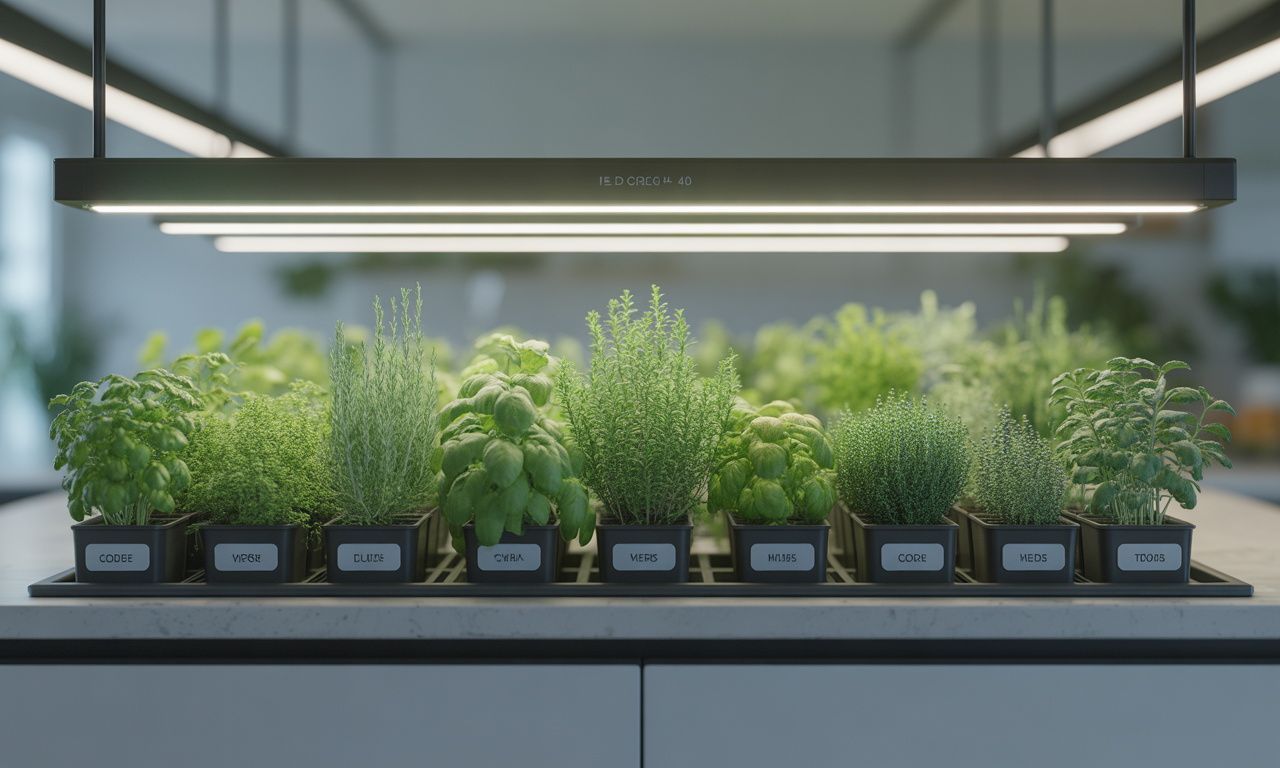
Now that you understand the benefits, let’s explore the best herbs you can grow indoors year-round — perfect for beginners, apartment dwellers, or anyone who loves fresh, aromatic greens. These herbs thrive in controlled indoor environments, require minimal effort, and continuously reward you with fragrance and flavor.
Here’s a quick overview table before we dive deeper:
| Herb Name | Light Requirement | Watering Frequency | Ideal Pot Size | Pro Tip |
| Basil | 6–8 hrs sunlight | Keep moist | 6–8 inches | Pinch the top leaves to promote bushier growth. |
| Mint | Low to medium | Every 2–3 days | 8 inches | Grow in a separate pot — it spreads aggressively. |
| Parsley | Medium | 2–3 times/week | 6 inches | Snip outer stems first to encourage new growth. |
| Thyme | High light | Once a week | 6 inches | Allow soil to dry between waterings. |
| Rosemary | Bright light | Once a week | 8 inches | Loves airflow — place near a window. |
| Cilantro | Moderate light | Every 3 days | 6 inches | Harvest frequently to prevent bolting. |
| Oregano | Bright light | Weekly | 8 inches | Dry some leaves for winter seasoning. |
| Chives | Moderate light | Every 3 days | 6 inches | Cut down to 2 inches after harvesting. |
| Lemongrass | Bright light | 2–3 times/week | 8 inches | Start from store-bought stalks—super easy. |
| Dill | Medium light | 2–3 times/week | 8 inches | Keep away from drafts; fragile stems. |
| Sage | Bright light | Weekly | 8 inches | Prune regularly to prevent woody stems. |
| Basil (Thai) | 6–8 hrs sunlight | Every 3 days | 6 inches | Adds exotic flavor and grows fast indoors. |
🌱 Top Picks and Growing Insights
Basil
The king of kitchen herbs! Basil is one of the easiest herbs you can grow indoors year-round if you provide warmth and light. It thrives in south-facing windows and loves consistent moisture. Keep trimming it often — the more you harvest, the faster it grows back.
Mint
If you love refreshing tea or mocktails, mint is your go-to. It’s a low-light champion among herbs you can grow indoors year-round, making it ideal for kitchens with limited sunlight. Just remember to isolate it — mint grows like wildfire.
Parsley
This nutrient-dense herb grows slower than most, but once established, it’ll keep producing for months. Herbs you can grow indoors year-round like parsley benefit from regular pruning and moderate watering.
Thyme
Thyme’s tiny leaves pack massive flavor. Among the herbs you can grow indoors year-round, it’s the most drought-tolerant, thriving on neglect. Let it bask in sunlight and avoid overwatering.
Rosemary
Aromatic and evergreen, rosemary loves light and airflow. It’s one of the herbs you can grow indoors year-round that doubles as a natural air freshener. Trim gently to maintain shape.
Cilantro
This fast-growing herb adds zest to every meal. For the best results, rotate your herbs you can grow indoors year-round every few weeks — cilantro prefers cool indoor spots.
Oregano
Oregano is robust, fragrant, and thrives in slightly dry soil. One of the most rewarding herbs you can grow indoors year-round for Italian and Mediterranean dishes.
Chives
Perfect for salads and omelets, chives regrow endlessly from cuttings. Among the herbs you can grow indoors year-round, this one’s nearly indestructible — ideal for beginners.
Lemongrass
A tropical beauty that grows from store stalks, making it a budget-friendly pick. With warmth and humidity, it’s among the easiest herbs you can grow indoors year-round.
Dill
Light, feathery, and full of aroma. Keep your dill near a sunny window — it’s a delicate yet satisfying herb you can grow indoors year-round.
Sage
A sturdy herb with woody stems and velvety leaves. Sage prefers bright light and minimal watering, ranking high among reliable herbs you can grow indoors year-round.
Thai Basil
Add an exotic touch to your cooking! This variety thrives in pots and is an exceptional choice among herbs you can grow indoors year-round, thanks to its resilience and unique flavor.
Each of these herbs adds color, flavor, and vitality to your home. Whether you prefer the calming scent of rosemary or the citrusy kick of lemongrass, these herbs you can grow indoors year-round turn your home into a sustainable, edible paradise. 🌿
💡 Lighting & Watering Tips for Herbs You Can Grow Indoors Year-Round
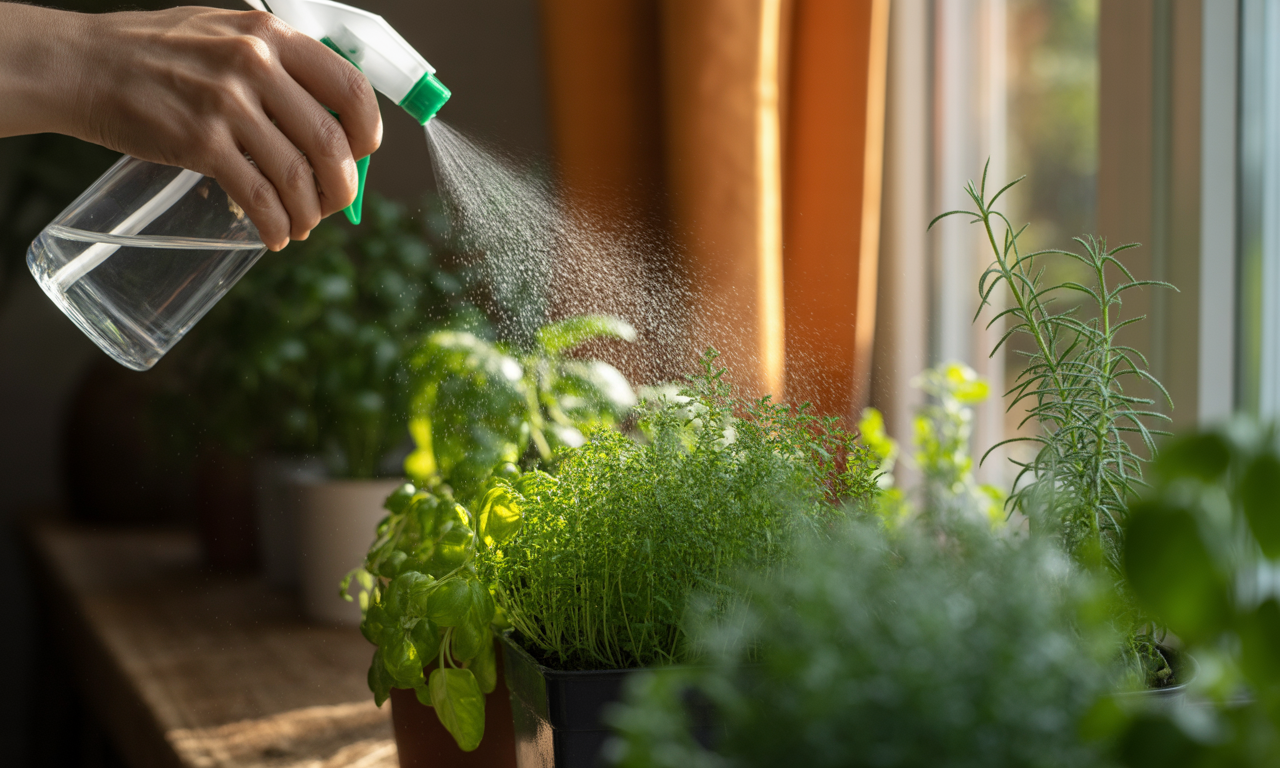
One of the biggest secrets behind thriving herbs you can grow indoors year-round is understanding the perfect balance between light and water. Even the healthiest herbs can wilt or weaken if they’re overwatered or left in poor lighting conditions. The good news? Once you get this balance right, your indoor herb garden will practically grow itself — lush, green, and fragrant throughout the year.
☀️ Lighting Tips: Helping Your Herbs Flourish Indoors
Most herbs you can grow indoors year-round need 6–8 hours of light daily. Sunlight is best, but if you’re short on natural rays, LED grow lights are your best friend. Here’s how to ensure your herbs get the perfect glow:
| Light Source | Best For | Distance from Plant | Duration per Day |
| South-facing window | Basil, rosemary, thyme | N/A | 6–8 hours |
| East/West-facing window | Parsley, cilantro, chives | N/A | 4–6 hours |
| LED Grow Light (Full Spectrum) | All herbs | 6–10 inches | 10–12 hours |
| Fluorescent Tube Light | Mint, oregano | 4–6 inches | 12–14 hours |
💡 Pro Tip: Rotate your pots weekly so your herbs you can grow indoors year-round grow evenly. Uneven light exposure can cause herbs to lean or grow leggy.
If you’re using LED lights, choose a “full-spectrum” bulb that mimics daylight. This not only supports healthy foliage but also boosts essential oil production — giving your herbs richer flavors and stronger aromas.
💧 Watering Tips: The Art of Hydration
Water is life — but too much of it can drown your plants. When growing herbs you can grow indoors year-round, aim for moist, not soggy soil. Herbs like rosemary and thyme prefer slightly dry soil, while basil and parsley enjoy consistent moisture.
Here’s a simple watering chart to guide you:
| Herb | Ideal Watering Frequency | Moisture Tip |
| Basil | Every 2–3 days | Keep soil evenly moist. |
| Mint | Every 3 days | Likes humidity — mist occasionally. |
| Rosemary | Weekly | Allow top soil to dry completely. |
| Thyme | Weekly | Avoid wet roots — loves dry spells. |
| Parsley | Every 2–3 days | Water from the base to prevent fungal growth. |
| Cilantro | Every 3–4 days | Cooler temps help it retain moisture longer. |
💧 Pro Tip: Stick your finger 1 inch into the soil. If it feels dry, it’s time to water. For hydroponic or self-watering systems, check nutrient solution levels weekly to ensure healthy root growth.
🌱 Humidity & Air Circulation
Indoor air can become dry—especially in winter. Herbs like mint, basil, and parsley love humidity. Keep a small humidifier nearby or place a shallow tray of water near your herbs you can grow indoors year-round to maintain moisture levels.
Also, gentle air circulation prevents mold and fungus. A small fan running for a few hours daily can help your herbs grow stronger stems and healthier leaves.
With the right lighting, consistent watering, and a bit of attention, your herbs you can grow indoors year-round will stay lush, green, and fragrant no matter the season. 🌿
🌿 Creative Indoor Herb Garden Setup Ideas (Small Spaces + Aesthetics)
Even if you live in a small apartment or have limited sunlight, you can still enjoy the beauty and freshness of herbs you can grow indoors year-round with a little creativity. Indoor herb gardens don’t just serve a practical purpose—they also elevate your home’s look, adding a touch of greenery and charm to every corner.
Let’s explore some easy, affordable, and stylish setup ideas for your indoor herb garden.
🪴 1. Windowsill Herb Haven
The classic windowsill setup remains the most effective choice for herbs you can grow indoors year-round. All you need are a few small pots, a waterproof tray, and consistent sunlight. South or west-facing windows are perfect for basil, rosemary, and thyme.
Tip: Use matching ceramic or terracotta pots for an elegant look that complements your kitchen or dining area.
🌿 2. Hanging Herb Planters
When counter space is scarce, go vertical! Hanging planters save space while creating an eye-catching green display. Herbs like mint, parsley, and oregano do wonderfully in hanging containers.
Pro Tip: Use lightweight soil mixes and ensure drainage holes to prevent waterlogging.
🪟 3. Wall-Mounted Vertical Gardens
A vertical wall garden turns plain walls into a lush masterpiece. Wooden shelves or metal racks fitted with mason jars or small planters can host a variety of herbs. This is an artistic and efficient way to showcase herbs you can grow indoors year-round while keeping them within easy reach.
Flowchart: Simple Wall Garden Setup
[Choose Wall Area] → [Install Shelves or Racks] → [Add Jars/Pots] → [Label Herbs] → [Water & Rotate Weekly]
💡 4. Smart Indoor Herb Garden Kits
If you love tech-enabled simplicity, smart herb garden kits are your best bet. These automated systems regulate water, light, and nutrients, making them perfect for busy individuals. Herbs like basil, chives, and parsley thrive effortlessly in these plug-and-grow devices.
🧺 5. Repurposed Containers & DIY Décor
Sustainability meets style when you upcycle containers—old mugs, teapots, or wooden boxes can become unique homes for herbs. This eco-friendly method not only reduces waste but also adds a personal touch to your herb garden.
Example Table: Creative DIY Container Ideas
| Container Type | Best For | Aesthetic Tip |
| Mason jars | Mint, oregano | Wrap twine or lace around for rustic charm. |
| Old mugs | Chives, parsley | Paint labels directly on the mug. |
| Wooden crates | Basil, sage | Line with plastic before filling with soil. |
| Tin cans | Thyme, cilantro | Add drainage holes and pastel paint for vibrance. |
🪴 6. Multi-Tier Plant Stands
For those who want more herbs in limited space, tiered stands allow multiple levels of greenery. Place plants with higher light needs at the top and shade-tolerant herbs like mint and parsley below.
🌱 7. Kitchen Counter Mini Gardens
A small garden near your cooking space ensures instant access to herbs while adding a natural, refreshing look to your kitchen. Combine fragrant herbs like basil and rosemary for both function and décor.
Even with minimal space, lighting, or time, you can enjoy the flavor and freshness of herbs you can grow indoors year-round in any setting. By blending creativity with care, your herb garden becomes not only a food source but a soothing, decorative feature of your home. 🌸
🌿 Care & Maintenance Tips for Herbs You Can Grow Indoors Year-Round
Once your indoor garden is flourishing, the next step is to keep your herbs you can grow indoors year-round thriving with proper care. Even the hardiest herbs need consistent attention, balanced watering, and a few smart techniques to stay productive and healthy all year. These simple care tips will help your herbs stay fragrant, flavorful, and full of life.
💧 1. Watering with Precision
Overwatering is one of the most common mistakes for herbs you can grow indoors year-round. Always check the top inch of soil before watering—if it feels dry, it’s time to hydrate. Use pots with good drainage, and avoid letting herbs sit in stagnant water. Herbs like basil and parsley prefer moist soil, while rosemary and thyme do better slightly dry.
Pro Tip: Use a spray bottle to mist leaves occasionally, especially during winter, when indoor air tends to be dry.
☀️ 2. Rotate for Balanced Light Exposure
Light consistency matters! Rotate your pots weekly so all sides of your herbs you can grow indoors year-round receive even sunlight. Without rotation, herbs can grow lopsided or lean toward their light source.
If natural light is limited, use full-spectrum LED grow lights for 10–12 hours daily. Keep them around 6–10 inches from your plants for the best results.
🌬️ 3. Ensure Proper Air Circulation
Stagnant indoor air can cause mold and pest issues. Keep your herbs you can grow indoors year-round healthy by ensuring gentle airflow. A small desk fan on a low setting for a few hours daily helps strengthen stems and prevents fungal buildup.
🌿 4. Pruning & Harvesting for Continuous Growth
Regular harvesting encourages new leaf growth. For the most productive herbs you can grow indoors year-round, follow these simple pruning guidelines:
| Herb | When to Harvest | How to Prune |
| Basil | 6–8 inches tall | Pinch top leaves to promote branching |
| Mint | Weekly | Cut above leaf nodes |
| Parsley | Every 2 weeks | Snip outer stems first |
| Rosemary | Every 3 weeks | Trim woody ends lightly |
| Thyme | Anytime | Harvest before flowering |
Pro Tip: Never remove more than one-third of the plant at a time. It helps the herb recover faster and remain lush.
🌱 5. Refresh Soil & Nutrients
Over time, indoor soil loses nutrients. Every three months, repot your herbs you can grow indoors year-round with fresh organic potting mix or supplement with compost tea or diluted seaweed fertilizer. Avoid chemical fertilizers—they can alter flavor and stress delicate herbs.
🪴 6. Keep an Eye Out for Pests
Even indoor plants can attract aphids, whiteflies, or spider mites. Inspect the leaves regularly, especially the undersides. If you spot trouble, wipe with a mild soap solution or use neem oil spray — both safe and effective for herbs you can grow indoors year-round.
🌸 7. Seasonal Adjustments
During colder months, growth may slow down. Move pots closer to windows, reduce watering frequency, and keep herbs away from heaters or cold drafts. Come spring, your herbs you can grow indoors year-round will naturally bounce back with fresh energy.
Caring for your herbs isn’t a chore—it’s a relaxing routine that rewards you with vibrant greens and fresh scents every day. With consistent watering, pruning, and light management, your herbs you can grow indoors year-round will continue to thrive beautifully, no matter the season. 🌱
🌿 Common Problems (and Quick Fixes) for Herbs You Can Grow Indoors Year-Round
Even the healthiest herbs you can grow indoors year-round can face challenges. Indoor environments often differ from outdoor conditions — less airflow, fluctuating humidity, and artificial lighting can stress delicate herbs. But with awareness and quick action, these issues are easy to solve. Below are the most common problems gardeners face and how to fix them fast.
🪴 1. Yellow or Drooping Leaves
Problem: Overwatering or poor drainage.
When your herbs you can grow indoors year-round start showing yellow or soft leaves, it’s often a sign of soggy roots.
Quick Fix:
- Check that your pots have proper drainage holes.
- Allow soil to dry between waterings.
- Use a light, well-draining potting mix made for herbs.
Pro Tip: Basil and mint love moisture, but rosemary and thyme prefer drier conditions. Adjust watering for each type accordingly.
🌿 2. Weak or Leggy Growth
Problem: Insufficient light.
When herbs grow tall and thin with pale stems, they’re reaching for light — a common issue for herbs you can grow indoors year-round in shaded corners.
Quick Fix:
- Move pots to a south-facing window.
- Supplement with full-spectrum grow lights for 10–12 hours daily.
- Rotate pots weekly to ensure even light exposure.
Pro Tip: Prune the tops regularly to encourage bushier, denser growth.
🐞 3. Pests Like Aphids or Whiteflies
Problem: Stagnant air or overcrowding.
Even indoors, pests can sneak in and attack your herbs you can grow indoors year-round. Sticky residue or curled leaves are signs of infestation.
Quick Fix:
- Isolate the affected plant immediately.
- Wipe leaves with a mixture of mild soap and water.
- Spray neem oil weekly as a natural deterrent.
Pro Tip: Keep a small fan nearby for airflow — pests dislike moving air.
💧 4. Mold or Fungal Growth
Problem: Excess moisture or poor ventilation.
If the soil of your herbs you can grow indoors year-round looks white and fuzzy, it’s likely mold.
Quick Fix:
- Reduce watering frequency.
- Improve air circulation with a gentle fan.
- Sprinkle cinnamon powder (a natural antifungal) on the soil surface.
Pro Tip: Always water from the base rather than spraying leaves to prevent mold buildup.
🌱 5. Slow or Stunted Growth
Problem: Nutrient deficiency or compact roots.
Your herbs you can grow indoors year-round need nutrients just like outdoor plants. If growth halts or leaves pale, it’s time for a nutrient refresh.
Quick Fix:
- Repot herbs every 3–4 months using fresh organic soil.
- Add compost tea or a diluted organic fertilizer every two weeks.
- Gently loosen compact roots during repotting.
☀️ 6. Leaves Browning or Curling at the Edges
Problem: Dry indoor air or heat exposure.
This issue is especially common in winter when heaters reduce humidity.
Quick Fix:
- Move plants away from heat sources.
- Mist your herbs you can grow indoors year-round regularly or place a humidifier nearby.
- Keep room temperature between 18–25°C (65–77°F).
🌿 7. Herbs Losing Flavor or Aroma
Problem: Overmaturity or poor pruning.
If your herbs you can grow indoors year-round start tasting bland, it’s because older leaves lose essential oils.
Quick Fix:
- Harvest often to stimulate new growth.
- Trim before flowering to maintain aroma intensity.
- Provide at least 6 hours of bright light daily to maximize flavor.
Caring for herbs you can grow indoors year-round means staying observant. A slight droop, discoloration, or slow growth can tell you exactly what your plants need. With these simple fixes, you’ll be able to maintain lush, flavorful herbs that keep producing fresh leaves every month of the year. 🌱
🌿 Harvesting & Storing Indoor Herbs the Right Way (Preservation Hacks + Flavor Retention)
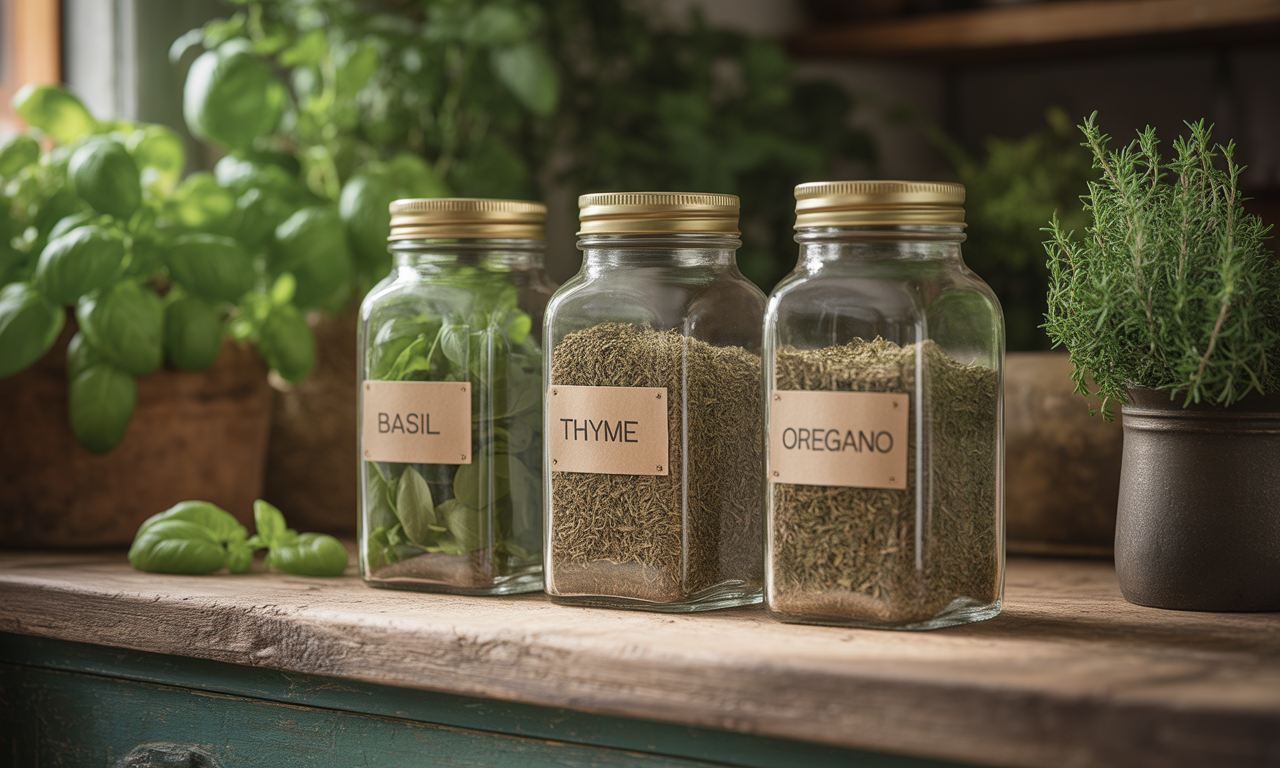
Harvesting is the most rewarding part of growing herbs you can grow indoors year-round. Done properly, it not only gives you fresh flavor for your meals but also encourages stronger regrowth. Whether you’re snipping a few basil leaves for pasta or drying thyme for storage, technique and timing are key.
✂️ 1. When and How to Harvest
The best time to harvest your herbs you can grow indoors year-round is early morning when their essential oils are at their peak. Use clean scissors or pruning shears to prevent stem damage. Always cut just above a leaf node — that’s where new shoots emerge.
| Herb | Harvest Frequency | Best Harvest Method |
| Basil | Weekly | Pinch top leaves to promote bushiness |
| Mint | Weekly | Snip above leaf nodes |
| Rosemary | Every 2–3 weeks | Trim light, woody growth |
| Parsley | Every 2 weeks | Cut outer stems at base |
| Thyme | Anytime | Clip sprigs before flowering |
🌱 Pro Tip: Harvest frequently — it prevents herbs from flowering too early and keeps them in a continuous growth cycle.
🍃 2. Proper Storage Methods
After harvesting, your goal is to retain flavor and aroma. For short-term use, store herbs you can grow indoors year-round by wrapping them in damp paper towels and refrigerating them in airtight bags. For long-term preservation, try drying or freezing.
Drying Techniques:
- Air Drying: Hang small bundles upside down in a cool, dark space.
- Oven Drying: Place herbs on a tray and dry at 95–110°F (35–43°C) for 2–3 hours.
- Dehydrator: Best for maintaining color and essential oils.
Freezing Method:
Chop herbs, place them in ice cube trays, fill with water or olive oil, and freeze. Pop cubes into dishes when cooking — fresh flavor, instantly!
Pro Tip: Always label and date stored herbs. Dried herbs retain the best flavor for about six months.
🌿 Creative Ways to Use Herbs You Can Grow Indoors Year-Round
Your hard work deserves delicious rewards! Once your herbs you can grow indoors year-round are thriving, explore creative ways to incorporate them into your daily life beyond cooking.
🍲 1. Culinary Inspiration
- Basil: Elevate pasta, salads, and pizza.
- Mint: Refresh beverages and desserts.
- Thyme & Rosemary: Perfect for roasted vegetables and soups.
- Chives & Oregano: Add zest to omelets, marinades, and bread.
🌸 2. Herbal Infusions & Teas
Use dried mint, chamomile, or basil leaves for soothing herbal teas. Simply steep a teaspoon of herbs in hot water for 5–7 minutes for an aromatic, caffeine-free beverage.
🕯️ 3. Home Fragrance & Décor
Herbs you can grow indoors year-round double as natural air purifiers. Arrange small pots in your living room, or make herbal sachets with dried lavender, mint, and rosemary to keep your home smelling fresh.
💧 4. DIY Skincare & Remedies
Create herbal oils and scrubs using rosemary or thyme. Mint-infused water can also act as a natural skin toner — simple, safe, and effective.
🌿 FAQ (Schema-Ready)
Q1. What are the easiest herbs you can grow indoors year-round?
A1. Basil, mint, parsley, chives, and oregano are among the easiest herbs you can grow indoors year-round because they adapt well to limited light and temperature changes.
Q2. Do I need special lights for indoor herb gardening?
A2. Yes, if your space lacks sunlight. Use full-spectrum LED grow lights that mimic natural daylight for healthy growth.
Q3. How often should I water indoor herbs?
A3. Most herbs you can grow indoors year-round prefer moderate moisture. Check the top inch of soil — if it’s dry, it’s time to water.
Q4. Can I grow herbs indoors without sunlight?
A4. Absolutely! Many herbs like mint, parsley, and chives grow well under artificial lighting, especially with proper watering and humidity control.
Q5. How do I prevent pests on indoor herbs?
A5. Keep good air circulation, avoid overwatering, and use natural neem oil sprays weekly to deter pests safely.
Q6. What herbs can I harvest all year long?
A6. Basil, mint, thyme, and rosemary are classic herbs you can grow indoors year-round that continuously produce fresh leaves with regular trimming.
🌿 Conclusion: Cultivate Freshness and Wellness All Year Long
Growing herbs you can grow indoors year-round is a journey toward sustainable living, flavor, and wellness. It’s not just about keeping plants alive — it’s about nurturing a lifestyle that connects you with nature every single day. Whether you’re a busy professional, a student in a small apartment, or a passionate home cook, indoor herb gardening offers the perfect blend of creativity, relaxation, and practicality.
Imagine plucking fresh basil for your pasta, mint for your morning tea, or thyme for your soup — all grown right on your windowsill. These herbs don’t just enrich your dishes; they improve air quality, reduce stress, and make your home come alive.
Start small, stay consistent, and watch your herbs you can grow indoors year-round transform your living space into a thriving green sanctuary. 🌱
“The best time to start growing herbs was yesterday — the second-best time is today.”Perfect 🌿 Here’s the complete SEO metadata, structured for WordPress + Rank Math 100/100 upload for your Gardeniva blog post —
“12 Best Herbs You Can Grow Indoors Year-Round (No Green Thumb Needed)”
💡Looking for something different? Check out our latest post here: https://gardeniva.com/hydroponic-kits-for-first-time-indoor-growers/