Avoid the most common gardening mistakes for beginners and learn how to grow a thriving, beautiful garden with expert tips on soil, watering, and plant care.
- 🌱 Introduction — Every Great Garden Starts With Learning
- 🌿 Mistake #1: Ignoring Soil Health — The Foundation of All Growth
- 💧 Mistake #2: Overwatering or Underwatering — The Root of All Problems
- 🌞 Mistake #3: Planting in the Wrong Location — Light Matters More Than You Think
- 🌿 Mistake #4: Neglecting Spacing Requirements — Plants Need Personal Space Too
- 🌾 Mistake #5: Choosing the Wrong Plants for Your Climate
- ✂️ Mistake #6: Forgetting Regular Pruning and Maintenance
- 🌾 Mistake #7: Using Too Much Fertilizer — When More Isn’t Better
- 🌿 Mistake #8: Skipping Mulching or Weeding
- 🐛 Mistake #9: Ignoring Pest Prevention Until It’s Too Late
- 🌸 Mistake #10: Giving Up Too Soon — Every Great Gardener Starts Small
- 🌿 Bonus Section: Smart Gardening Habits for Lasting Success
- 🌾 Quick Fix Reference for Common Beginner Gardening Mistakes
- ❓ FAQ — Common Questions About Gardening Mistakes for Beginners
- 🌻 Conclusion — From Mistakes to Mastery
🌱 Introduction — Every Great Garden Starts With Learning
Starting your first garden feels magical — until those little green dreams start to wilt. From overwatering to planting in poor soil, many gardening mistakes for beginners happen not because of neglect, but because of excitement and guesswork. You’re not alone — even the best gardeners once struggled with yellow leaves, lifeless soil, and droopy blooms.
The truth is, the most common gardening mistakes for beginners can easily derail your efforts before your plants even get a chance to thrive. Simple oversights like ignoring sunlight patterns, overcrowding plants, or using the wrong fertilizer often create problems that take weeks to fix.
But here’s the good news — every mistake hides a valuable lesson. Once you know what to watch out for, you’ll save time, effort, and money while watching your garden flourish like never before. 🌿
By the end of this guide, you’ll understand exactly which pitfalls to avoid, how to fix small issues before they spread, and how to transform those gardening mistakes for beginners into stepping stones for a truly thriving garden.
🌿 Mistake #1: Ignoring Soil Health — The Foundation of All Growth
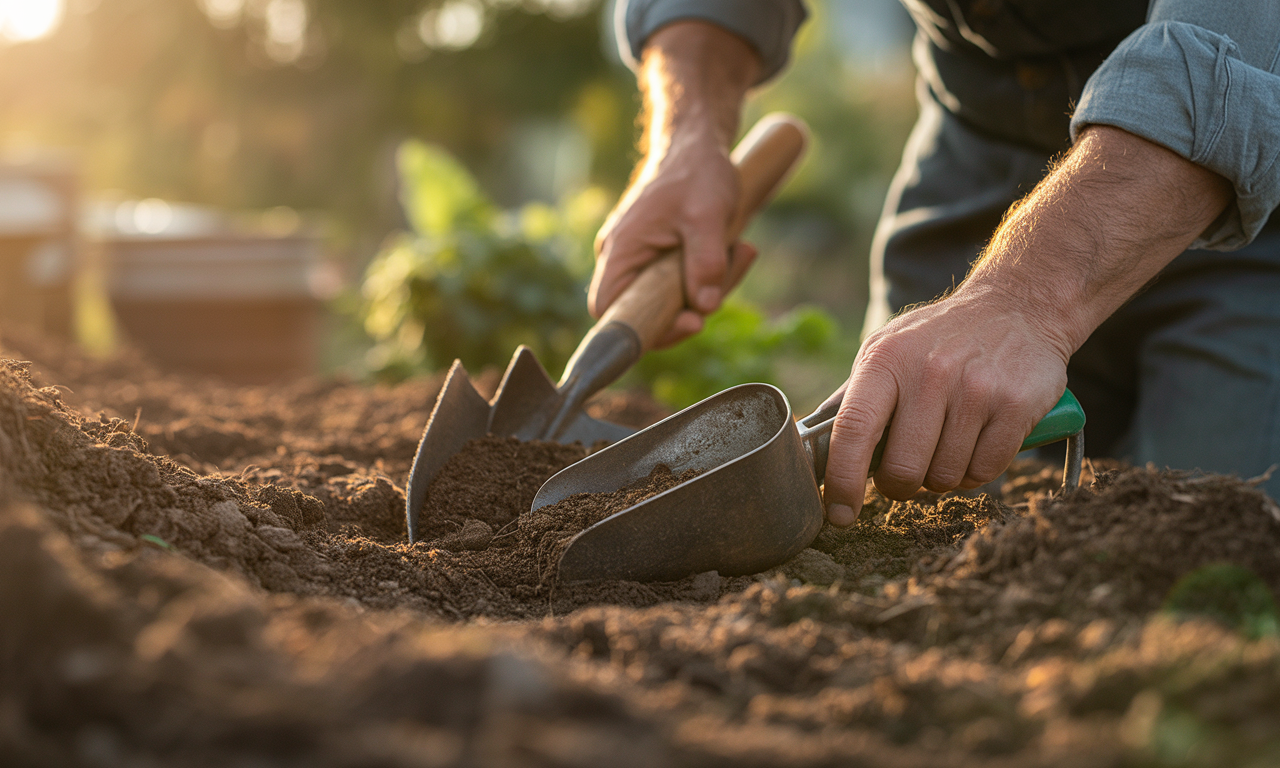
One of the most overlooked gardening mistakes for beginners is neglecting soil health. Many new gardeners rush to buy seeds, pots, and fertilizers, but forget that the real magic starts underground. The soil isn’t just “dirt” — it’s a living, breathing ecosystem full of nutrients, microbes, and minerals that determine how strong and healthy your plants will be.
Poor-quality soil is like junk food for plants — it might sustain them for a while, but not help them thrive. Without proper structure, drainage, and nutrient balance, even the most resilient plants can suffer. That’s why ignoring soil health ranks among the most damaging gardening mistakes for beginners.
🌱 How to Fix It: Build the Right Foundation
Start by testing your soil’s pH using a simple home kit — healthy soil should be between 6.0 and 7.0 for most plants. Mix in compost or organic matter to improve texture and fertility. Avoid chemical-heavy fertilizers early on; instead, rely on natural compost and mulch to nourish the earth slowly.
🌾 Pro Tip:
Keep a “soil diary.” Note the texture, moisture level, and response of plants after each amendment. Over time, this habit will help you understand your soil’s unique rhythm — turning one of the biggest gardening mistakes for beginners into your greatest gardening strength.
💧 Mistake #2: Overwatering or Underwatering — The Root of All Problems
Among all gardening mistakes for beginners, watering errors are the most common — and the most damaging. New gardeners often assume that giving plants more water means giving them more love. In reality, overwatering suffocates roots, while underwatering slowly starves them of essential moisture. Both lead to the same sad outcome — drooping, discolored, and stunted plants that struggle to grow.
Watering is both science and art. Too much water fills air pockets in the soil, cutting off oxygen and causing root rot. Too little water, on the other hand, forces roots to dry out and die. This is why proper watering habits are at the heart of avoiding major gardening mistakes for beginners.
🌱 How to Fix It: Balance Is Everything
Stick your finger an inch into the soil before watering — if it feels dry, it’s time to hydrate; if it’s moist, wait another day. Early morning watering helps reduce evaporation and fungal risk. For potted plants, ensure there are drainage holes to prevent soggy roots.
💧 Pro Tip:
Invest in a simple moisture meter. It’s an inexpensive tool that can save dozens of plants. Keeping moisture levels consistent will protect your garden from one of the easiest yet most expensive gardening mistakes for beginners to make.
🌞 Mistake #3: Planting in the Wrong Location — Light Matters More Than You Think

One of the most surprising gardening mistakes for beginners is choosing the wrong spot for planting. Many first-time gardeners are eager to fill every corner of their yard or balcony with greenery, but not all locations are created equal. Each plant has specific sunlight, shade, and temperature needs — and ignoring these requirements can lead to slow growth, burnt leaves, or even plant death.
Most garden troubles stem from misunderstanding light exposure. Some herbs and vegetables crave six to eight hours of full sun, while shade-loving plants like ferns or begonias can’t handle that intensity. Without proper observation, even well-maintained gardens can fail. It’s one of those subtle gardening mistakes for beginners that only becomes obvious when the plants begin to struggle.
🌿 How to Fix It: Learn Your Garden’s Light Map
Before planting, observe your garden throughout the day. Note which areas receive full sun, partial shade, or complete shade. You can even use free sunlight-tracking apps to map your outdoor or balcony space. Once you understand these patterns, you can match plants to their ideal spots.
🌻 Pro Tip:
If you’re growing in containers, take advantage of mobility! Rotate potted plants every few weeks to adapt to seasonal light changes. It’s a simple habit that can prevent one of the most underestimated gardening mistakes for beginners and help every plant find its perfect home in the sun.
🌿 Mistake #4: Neglecting Spacing Requirements — Plants Need Personal Space Too
Overcrowding is one of the most frequent gardening mistakes for beginners — and it often goes unnoticed until the damage is done. New gardeners, eager to see a lush patch of green, tend to plant seeds too close together. At first, everything looks healthy, but as the plants mature, they begin to fight for sunlight, air, and nutrients. This silent battle leads to weak stems, smaller fruits, and an increased risk of fungal infections.
Proper spacing isn’t just about looks — it’s essential for healthy airflow and disease prevention. When plants overlap, moisture gets trapped between their leaves, inviting mold, mildew, and pests. Overcrowding is a classic example of how enthusiasm can backfire, making it one of the most common gardening mistakes for beginners to correct early on.
🌱 How to Fix It: Give Your Plants Breathing Room
Always check the spacing recommendations on seed packets or plant tags. If you’re unsure, err on the side of more space. For raised beds or container gardens, plan your layout using a square-foot gardening chart. This ensures each plant gets enough sunlight and root depth to flourish.
🌸 Pro Tip:
Think of your garden like a friendly neighborhood — every plant needs its personal space to grow without crowding its neighbor. A few extra inches between plants today can prevent one of the most avoidable gardening mistakes for beginners tomorrow and lead to healthier, more productive growth.
🌾 Mistake #5: Choosing the Wrong Plants for Your Climate
One of the most frustrating gardening mistakes for beginners is selecting plants that simply aren’t suited to your local environment. It’s easy to fall in love with pictures of exotic flowers or tropical herbs online, but what thrives in one region may struggle in another. When new gardeners ignore climate compatibility, they often end up with stunted growth, yellow leaves, or plants that fail to bloom altogether.
Climate affects everything — temperature, rainfall, soil type, and even sunlight duration. A plant that flourishes in a cool, moist area might wither in a hot, dry region. That’s why one of the smartest ways to prevent common gardening mistakes for beginners is to choose species adapted to your specific growing zone.
🌱 How to Fix It: Match Plants to Your Zone
Before buying seeds, check your local USDA Plant Hardiness Zone or its regional equivalent. These maps help you understand which plants can survive your temperature range. Opt for native or drought-resistant varieties if you live in a dry area, and humidity-loving plants if you’re in a tropical climate. Visit local nurseries — they often stock species proven to thrive in your zone.
🌿 Pro Tip:
When in doubt, observe nature around you. Take note of plants growing effortlessly in your neighborhood — they’re your best teachers. Adapting your selection to your climate not only prevents one of the most overlooked gardening mistakes for beginners but also sets the stage for a lush, low-maintenance, and truly thriving garden.
✂️ Mistake #6: Forgetting Regular Pruning and Maintenance
Neglecting upkeep is one of those sneaky gardening mistakes for beginners that quietly weakens even the healthiest garden. Many new gardeners assume once plants start growing, they can be left alone. In reality, without trimming, cleaning, and observation, small issues like pest spots or dying leaves can quickly spread and stunt new growth.
Pruning is more than aesthetics — it’s about energy direction. Dead branches drain nutrients from thriving ones, while tangled stems block airflow and light. Ignoring this balance turns a once-vibrant garden into a cluttered patch struggling to breathe. That’s why consistent maintenance ranks high among the avoidable gardening mistakes for beginners.
🌱 How to Fix It: Schedule Routine Care
Inspect your plants weekly. Remove wilted leaves, faded blooms, and weeds that compete for nutrients. Use sharp, sanitized shears to prevent infections. Water afterward to reduce stress and help plants recover faster. A simple ten-minute check every few days keeps problems from escalating.
🌼 Pro Tip:
Create a “pruning calendar.” Note plant types that require monthly trimming versus seasonal cuts. Consistent attention turns one of the most common gardening mistakes for beginners into your secret for strong, disease-resistant growth and a picture-perfect garden.
🌾 Mistake #7: Using Too Much Fertilizer — When More Isn’t Better
Over-fertilizing is one of the most misunderstood gardening mistakes for beginners. Many new gardeners believe that feeding plants more nutrients will make them grow faster and stronger. But too much fertilizer, especially chemical-based ones, can actually burn roots, alter soil chemistry, and weaken your plants over time. Instead of producing lush growth, overfed plants often turn yellow, develop brittle stems, or stop flowering altogether.
Plants absorb nutrients gradually, and their needs change throughout the growing season. When excess fertilizer accumulates, salts build up in the soil, damaging the delicate root system. Recognizing this early can save your garden from one of the most costly gardening mistakes for beginners.
🌱 How to Fix It: Feed Wisely, Not Excessively
Start by reading the recommended dosage on the fertilizer label — and then use slightly less. Apply fertilizer only during active growth periods, and water plants thoroughly afterward to help nutrients disperse evenly. Consider switching to organic compost or slow-release blends that nourish your soil gently and naturally.
🌼 Pro Tip:
Feed your plants like you’d season food — just enough to enhance flavor, not overwhelm it. Over time, your soil will regain its natural balance, and your plants will thrive without the risk of repeating one of the most damaging gardening mistakes for beginners.
🌿 Mistake #8: Skipping Mulching or Weeding
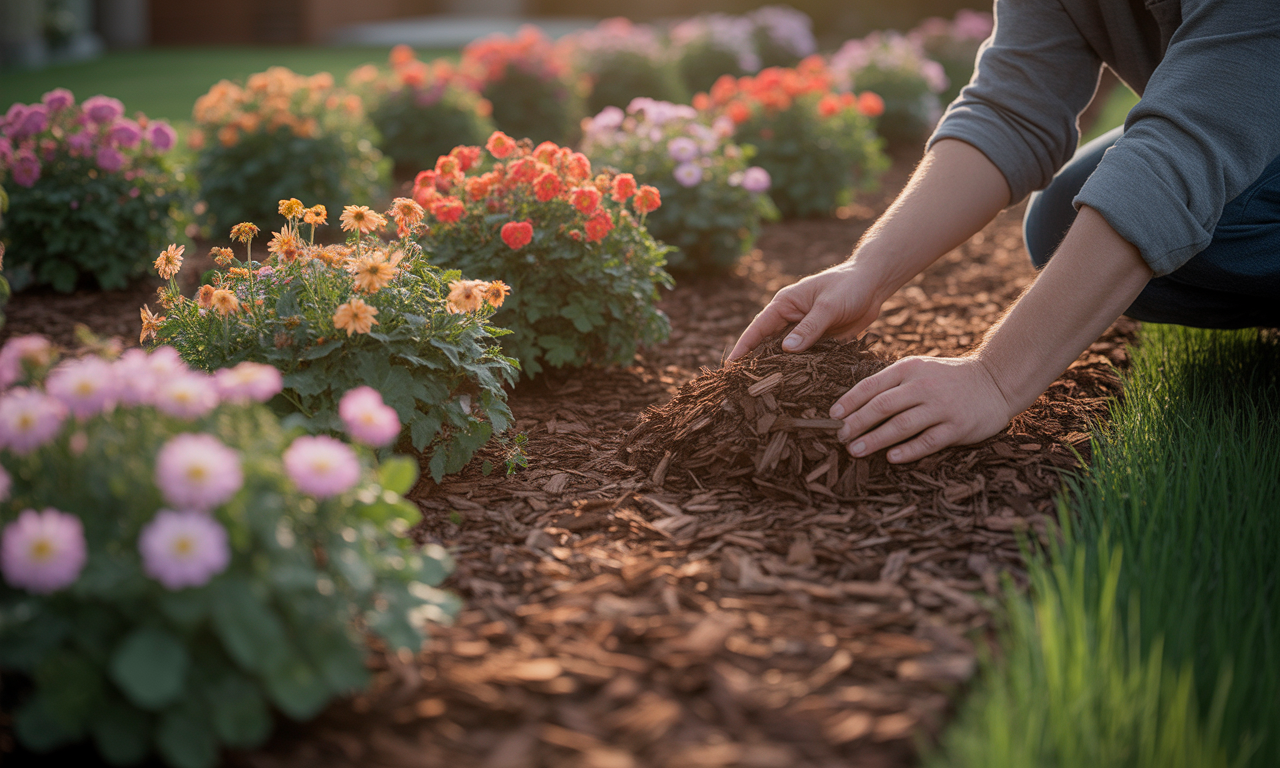
Forgetting to mulch or weed regularly might seem minor, but it’s among the most damaging gardening mistakes for beginners. Many new gardeners focus on planting and watering but overlook how exposed soil quickly loses moisture and invites unwanted guests — weeds. These pesky invaders compete for nutrients, water, and sunlight, weakening even the healthiest plants. Without mulch, your garden also faces temperature swings that stress root systems and slow growth.
Mulching acts like a protective blanket. It conserves moisture, stabilizes temperature, and suppresses weed growth — making it one of the simplest yet most powerful habits to master. Skipping this essential step remains one of the most common gardening mistakes for beginners, leading to extra work and lower yields in the long run.
🌱 How to Fix It: Embrace the Power of Mulch
Spread a 2–3 inch layer of organic mulch such as straw, bark chips, or compost around your plants. Keep it an inch away from stems to prevent rot. Combine this with weekly weeding sessions to ensure your garden remains tidy and stress-free.
🌾 Pro Tip:
Try using natural mulches that enrich your soil as they decompose. Not only will your plants stay hydrated and weed-free, but you’ll also reduce the need for fertilizers — helping you avoid repeating one of the most overlooked gardening mistakes for beginners.
🐛 Mistake #9: Ignoring Pest Prevention Until It’s Too Late
Waiting for pests to appear before taking action is one of the most regrettable gardening mistakes for beginners. Tiny insects may seem harmless at first, but once they multiply, they can destroy entire plants overnight. Aphids, caterpillars, and spider mites feed on leaves and sap, weakening your garden from within. Ignoring these early signs often leads to a full-blown infestation that’s much harder — and costlier — to control.
Pest prevention isn’t about using harsh chemicals; it’s about observation and balance. Healthy plants are naturally more resistant, while stressed plants attract trouble. This is why pest control deserves a top spot among the avoidable gardening mistakes for beginners — prevention is always easier than cure.
🌱 How to Fix It: Be Proactive, Not Reactive
Inspect your garden every few days, especially the undersides of leaves. Encourage beneficial insects like ladybugs or lacewings, which keep pest populations in check. Use neem oil or organic insecticidal soap as a safe defense. Most importantly, rotate crops and avoid planting the same species in one spot season after season.
🌿 Pro Tip:
Keep a simple “pest tracker” in your garden journal. Note what appeared, when, and how you treated it. This record helps you anticipate patterns and prevent one of the most recurring gardening mistakes for beginners — neglecting early, gentle pest management that saves your plants before damage sets in.
🌸 Mistake #10: Giving Up Too Soon — Every Great Gardener Starts Small
Perhaps the most heartbreaking of all gardening mistakes for beginners is giving up too soon. When seedlings fail to sprout or a plant withers unexpectedly, many first-time gardeners assume they have a “black thumb.” But the truth is, every experienced gardener has faced setbacks — and those early frustrations are part of the learning journey. Gardening is not about perfection; it’s about patience, observation, and connection with nature.
The first few months may test your resolve. Weather changes, pests, or overwatering might discourage you. Yet, each challenge teaches something valuable about timing, soil, or balance. The key is persistence. Viewing mistakes as lessons transforms one of the most common gardening mistakes for beginners into a path toward mastery and joy.
🌱 How to Fix It: Learn, Adjust, and Keep Growing
Start small — even a single pot of herbs can teach you the basics. Celebrate small wins like your first bloom or harvest. Follow your progress with photos or notes; it’ll remind you how far you’ve come. Join online gardening communities to exchange advice and encouragement.
🌼 Pro Tip:
Gardening is like meditation — it rewards consistency, not speed. The more you nurture your space, the more it nurtures you back. Never let a failed season stop you from trying again; overcoming this mindset prevents one of the most disheartening gardening mistakes for beginners and sets you on the path to a lifelong passion for growing.
🌿 Bonus Section: Smart Gardening Habits for Lasting Success
Once you’ve learned to avoid the most common gardening mistakes for beginners, it’s time to cultivate habits that ensure long-term success. Great gardens don’t just happen overnight — they grow from consistent care, observation, and adaptation. Building the right habits helps you stay ahead of problems before they appear, saving you time, effort, and frustration.
Start by treating your garden like a living classroom. Take notes after every season to track what worked, what failed, and how weather patterns affected growth. This simple reflection keeps you mindful and prevents repeating familiar gardening mistakes for beginners.
🌱 Smart Gardening Habits to Adopt
- Observe Before You Act: Spend a few minutes each morning noticing changes in your plants’ color, posture, or texture.
- Stay Consistent: Even five minutes a day can make a visible difference.
- Journal Your Growth: Write down watering schedules, soil types, and pest patterns.
- Rotate and Rest: Alternate plant families in each bed to maintain healthy soil.
- Keep It Organic: Choose natural composts, pest repellents, and fertilizers whenever possible.
🌼 Pro Tip:
Make gardening part of your daily rhythm — a cup of tea and a garden check can be the most peaceful ritual of your day. When you turn care into consistency, you’ll not only avoid gardening mistakes for beginners but also grow a thriving, self-sustaining ecosystem that rewards you season after season.
🌾 Quick Fix Reference for Common Beginner Gardening Mistakes
Even seasoned growers revisit this table as a reminder that simple corrections can save an entire season. If you’re just starting out, this easy chart helps you spot and fix the most common gardening mistakes for beginners before they cause lasting damage.
| Mistake | Symptom / Problem | Quick Fix | Long-Term Tip |
| Overwatering | Yellow, droopy leaves | Reduce watering; check soil moisture before each session | Use a moisture meter to track consistency |
| Poor Soil Quality | Stunted growth, pale leaves | Add compost and organic matter | Test soil pH every few months and maintain 6.0–7.0 range |
| Wrong Plant Location | Leaves burning or curling | Relocate based on light exposure | Map sunlight patterns seasonally |
| Overcrowding | Weak stems, fungal spots | Replant with wider spacing | Use a square-foot layout for even growth |
| Ignoring Pests | Holes in leaves, sticky residue | Spray neem oil or introduce ladybugs | Inspect plants weekly for early signs |
| Too Much Fertilizer | Brown tips, brittle stems | Flush soil with clean water | Switch to organic slow-release compost |
| Skipping Mulching | Dry soil, excessive weeds | Apply 2–3 inches of mulch | Refresh mulch quarterly for steady moisture |
| Lack of Pruning | Overgrowth, poor airflow | Trim dead leaves and stems | Keep a pruning calendar by plant type |
| Climate Mismatch | Plants wilting or not flowering | Choose region-appropriate species | Consult local nursery for native varieties |
| Giving Up Too Early | Lost motivation | Start small, celebrate progress | Keep a garden journal to track improvement |
🌼 Pro Tip:
Print or save this guide to your gardening folder or pin it on your shed wall. Reviewing it regularly keeps you mindful of how easy it is to avoid gardening mistakes for beginners and transform your space into a thriving sanctuary.
❓ FAQ — Common Questions About Gardening Mistakes for Beginners
These frequently asked questions help clarify doubts most new gardeners face, offering practical solutions while keeping gardening mistakes for beginners as the core keyword focus for better discoverability.
Q1. What are the most common gardening mistakes for beginners?
The most frequent gardening mistakes for beginners include overwatering, poor soil health, planting in the wrong spot, and neglecting regular pruning. Recognizing these early helps prevent stress and nutrient loss in plants.
Q2. How can I fix my garden after making beginner mistakes?
Start by assessing soil and watering habits. Replace dead or unhealthy plants, test pH, and improve drainage. With patience and consistency, you can reverse most gardening mistakes for beginners and restore balance naturally.
Q3. What are the best plants for first-time gardeners?
Low-maintenance plants like basil, mint, lettuce, and marigold are ideal. They’re resilient, easy to grow, and forgiving of small gardening mistakes for beginners.
Q4. How often should I fertilize my garden as a beginner?
Fertilize once every 3–4 weeks during active growth. Over-fertilizing leads to nutrient burn — one of the easiest gardening mistakes for beginners to avoid by using organic compost or slow-release blends.
Q5. Is mulching really necessary for small gardens?
Yes. Mulching regulates temperature, locks in moisture, and keeps weeds away. Skipping it is one of those subtle gardening mistakes for beginners that makes plants work harder than they need to.
Q6. Can indoor gardeners make the same mistakes as outdoor ones?
Absolutely. Indoor growers often overwater or use the wrong lighting. Whether inside or outside, the core gardening mistakes for beginners remain the same — lack of observation and overcare.
🌻 Conclusion — From Mistakes to Mastery
Every garden tells a story — and every gardener begins with a few errors. What separates success from frustration is learning from those gardening mistakes for beginners instead of letting them discourage you. Mistakes are nature’s gentle reminders to slow down, observe, and adapt.
By now, you know how to identify poor soil, manage water, choose climate-friendly plants, and maintain the right balance of sunlight and nutrients. The secret is consistency and curiosity — treat each challenge as part of your garden’s growth, not as failure.
Start small, nurture daily, and celebrate every sprout and bloom. Over time, your garden will reward you with colors, fragrances, and the quiet satisfaction that comes from patience and care. 🌿Now it’s your turn — which of these gardening mistakes for beginners have you made and learned from? Share your story or tip in the comments below and inspire fellow gardeners to grow better, together!
💡Looking for something different? Check out our latest post here: https://gardeniva.com/sustainable-garden-tools-2025/