Discover how a weather-adaptive smart irrigation system uses predictive data and sensors to prevent over-watering and save water efficiently.
- 🌿 What Is a Weather-Adaptive Smart Irrigation System?
- 🌿 How Predictive Data Prevents Over-Watering
- 🌿 Soil Moisture and Sensor-Based Irrigation Explained
- 🌿 Automation and Intelligence in Weather-Adaptive Smart Irrigation Tools
- 🌿 Key Benefits of Weather-Adaptive Smart Irrigation Systems
- 🌿 Challenges and Limitations of Weather-Adaptive Smart Irrigation Systems
- 🌿 How to Choose the Best Weather-Adaptive Smart Irrigation System
- 🌿 Smart Irrigation Controller Review Criteria (Weather-Adaptive Focus)
- 🌿 Who Should Use a Weather-Adaptive Smart Irrigation System?
- Frequently Asked Questions (FAQ)
- 🌿 Conclusion: Is a Weather-Adaptive Smart Irrigation System Worth It?
🌱 Introduction
Have you ever noticed your garden getting watered just before it rains? This common problem leads to wasted water, unhealthy roots, and higher utility bills. Traditional irrigation systems rely on fixed schedules, which cannot respond to changing weather conditions. A weather-adaptive smart irrigation system solves this issue by using predictive data to water plants only when they actually need it.
Instead of following timers, these systems analyze local weather forecasts, temperature, humidity, and rainfall patterns. By combining this information with real-time sensor input, a weather-adaptive smart irrigation system adjusts watering schedules automatically. This prevents over-watering, reduces runoff, and helps plants develop stronger root systems.
As water conservation becomes more important, gardeners are turning to smarter solutions. A weather-adaptive smart irrigation system fits perfectly into modern gardens by aligning irrigation with real environmental conditions rather than assumptions. It supports efficient water use while maintaining healthy plant growth throughout changing seasons.
By the end of this post, you’ll understand how a weather-adaptive smart irrigation system uses predictive data to prevent over-watering, how it works step by step, and how to decide whether this smart irrigation approach is right for your garden.
🌿 What Is a Weather-Adaptive Smart Irrigation System?
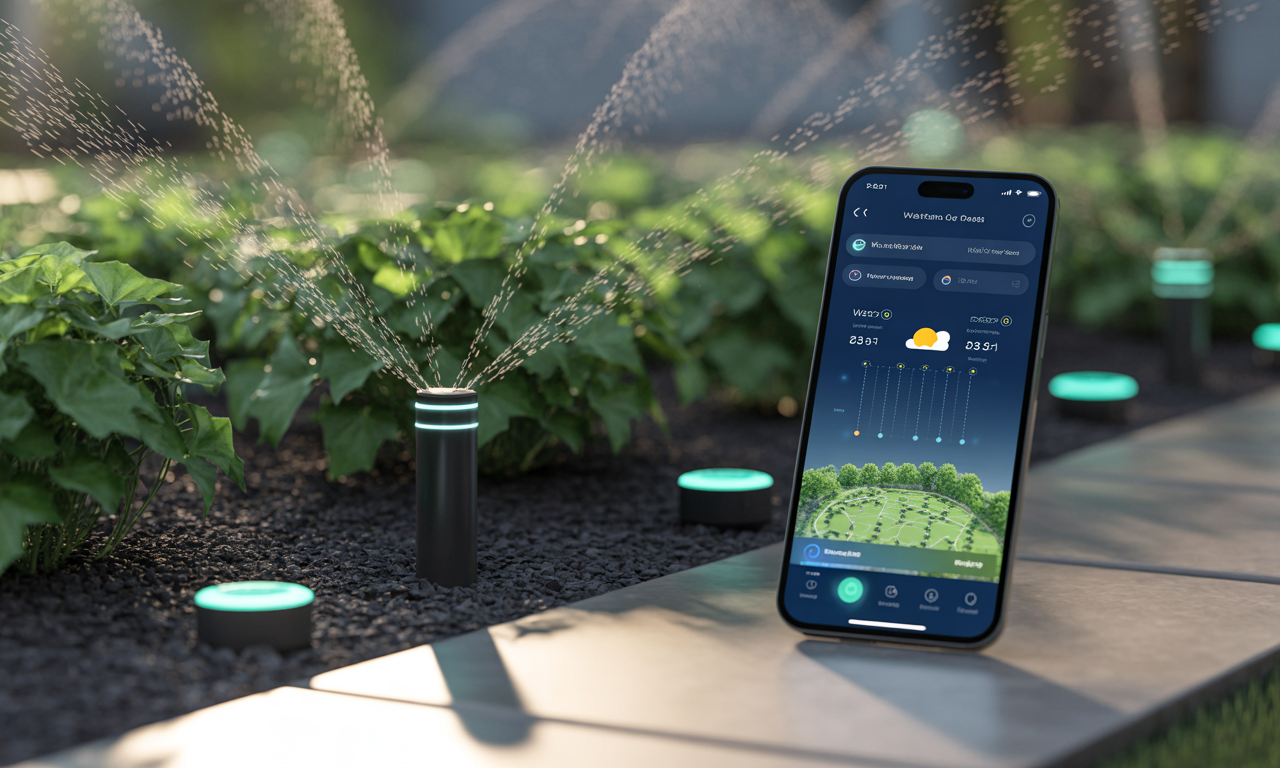
A weather-adaptive smart irrigation system is an intelligent watering setup that adjusts irrigation schedules based on real-time weather conditions and predictive data. Instead of watering on fixed timers, the system responds dynamically to rainfall forecasts, temperature changes, humidity levels, and seasonal patterns.
🌦️ Traditional Irrigation vs Weather-Adaptive Irrigation
The problem:
Conventional irrigation systems water plants on preset schedules. They ignore rainfall, evaporation rates, and sudden weather changes. This often causes over-watering, water runoff, and stressed plant roots.
The explanation:
A weather-adaptive smart irrigation system connects weather data with automated controls. It continuously evaluates current and upcoming conditions to decide whether watering is necessary.
The solution:
If rain is expected, irrigation pauses. If temperatures rise or soil dries faster, watering adjusts automatically. This ensures plants receive the right amount of water at the right time.
Pro tip:
Systems that combine local weather forecasts with on-site sensor data deliver the most accurate watering decisions.
By shifting from rigid schedules to data-driven decisions, a weather-adaptive smart irrigation system creates a more efficient, plant-friendly approach to irrigation while conserving water and preventing over-watering.
🌿 How Predictive Data Prevents Over-Watering
Over-watering often happens because irrigation systems react too late—or not at all—to changing conditions. A weather-adaptive smart irrigation system prevents this by using predictive data to make decisions before excess watering occurs.
📊 Role of Weather Forecasting and Climate Data
The problem:
Traditional systems water plants even when rain is imminent or temperatures drop. This leads to soggy soil, nutrient leaching, and shallow root growth.
The explanation:
A weather-adaptive smart irrigation system pulls in short- and medium-term weather forecasts, including rainfall probability, temperature highs, humidity, and wind speed. These factors directly affect how much water plants will lose or retain.
The solution:
When predictive data shows upcoming rainfall, the system delays or cancels irrigation. During heatwaves or dry spells, it increases watering carefully rather than flooding the soil.
Pro tip:
Localized weather data (rather than regional averages) improves accuracy and reduces unnecessary watering.
🔮 Predictive Scheduling vs Reactive Watering
The problem:
Reactive systems respond only after soil becomes too dry or plants show stress, which can already damage roots.
The explanation:
Predictive irrigation technology anticipates water needs by combining forecast data with past watering patterns. The system learns how quickly soil dries under specific weather conditions.
The solution:
A weather-adaptive smart irrigation system schedules watering proactively. It delivers water in smaller, precise amounts, preventing saturation while maintaining consistent moisture levels.
Pro tip:
Predictive scheduling supports deeper root growth and better drought resilience.
By using forecast-driven insights instead of guesswork, a weather-adaptive smart irrigation system stops over-watering before it happens—saving water, protecting soil health, and keeping plants consistently hydrated.
🌿 Soil Moisture and Sensor-Based Irrigation Explained
While weather forecasts provide valuable insight, they cannot fully reflect what is happening underground. A weather-adaptive smart irrigation system becomes truly effective when predictive data is combined with real-time soil feedback.
🌱 Why Soil Moisture Data Matters More Than Timers
The problem:
Many irrigation systems water based on time rather than need. Soil may already be moist from recent rain or low evaporation, yet watering still occurs. This causes root suffocation and nutrient loss.
The explanation:
Soil moisture sensors measure how much water is actually available in the root zone. A weather-adaptive smart irrigation system uses this data to understand whether plants can absorb more water or if irrigation should pause.
The solution:
When soil moisture is adequate, irrigation stops—even if a timer says otherwise. When soil dries faster due to heat or wind, watering adjusts automatically. This prevents over-watering while keeping plants healthy.
Pro tip:
Sensors placed at root depth provide far more accurate data than surface-level measurements.
📡 Sensor-Based Irrigation and Real-Time Decision Making
The problem:
Weather data alone cannot detect micro-conditions like shaded soil or uneven drainage.
The explanation:
A weather-adaptive smart irrigation system integrates sensor based irrigation with predictive forecasts. Soil moisture data validates weather predictions before watering begins.
The solution:
This dual-data approach ensures irrigation happens only when both weather and soil conditions confirm the need. The result is precise watering that supports deeper roots and healthier plants.
Pro tip:
Systems using multiple sensors across zones deliver the best accuracy for diverse garden layouts.
By combining soil feedback with predictive climate data, a weather-adaptive smart irrigation system eliminates guesswork and creates a balanced, efficient irrigation strategy that protects plants from over-watering.
🌿 Automation and Intelligence in Weather-Adaptive Smart Irrigation Tools
Automation turns weather and soil data into timely action. In a weather-adaptive smart irrigation system, intelligence replaces rigid rules so watering decisions evolve with real conditions instead of fixed schedules.
🤖 From Automated Controllers to Adaptive Irrigation
The problem:
Basic automated controllers water by the clock. They don’t learn from outcomes, so they repeat the same mistakes—watering before rain or after cool nights.
The explanation:
A weather-adaptive smart irrigation system uses adaptive logic that evaluates multiple inputs at once—forecast data, soil moisture, temperature, and past performance. It understands cause and effect, not just time.
The solution:
The system adjusts run times, delays cycles, or skips irrigation entirely when conditions don’t justify watering. This prevents saturation and supports healthier root development.
Pro tip:
Adaptive systems outperform timer-based setups because they refine decisions continuously.
🔁 Smart Watering Through Feedback Loops
The problem:
Reactive watering responds after stress appears, which can already harm plants and soil structure.
The explanation:
Intelligent irrigation relies on feedback loops. Sensor readings confirm whether previous watering achieved the desired moisture level. If not, the system corrects gently rather than overcompensating.
The solution:
A weather-adaptive smart irrigation system fine-tunes watering in small, precise increments. Over time, it learns the ideal balance for each zone, reducing runoff and evaporation losses.
Pro tip:
Zoned feedback loops deliver better results than one-size-fits-all schedules.
By combining automation with continuous learning, a weather-adaptive smart irrigation system creates a responsive, water-efficient approach that protects plants while preventing over-watering in every season.
🌿 Key Benefits of Weather-Adaptive Smart Irrigation Systems
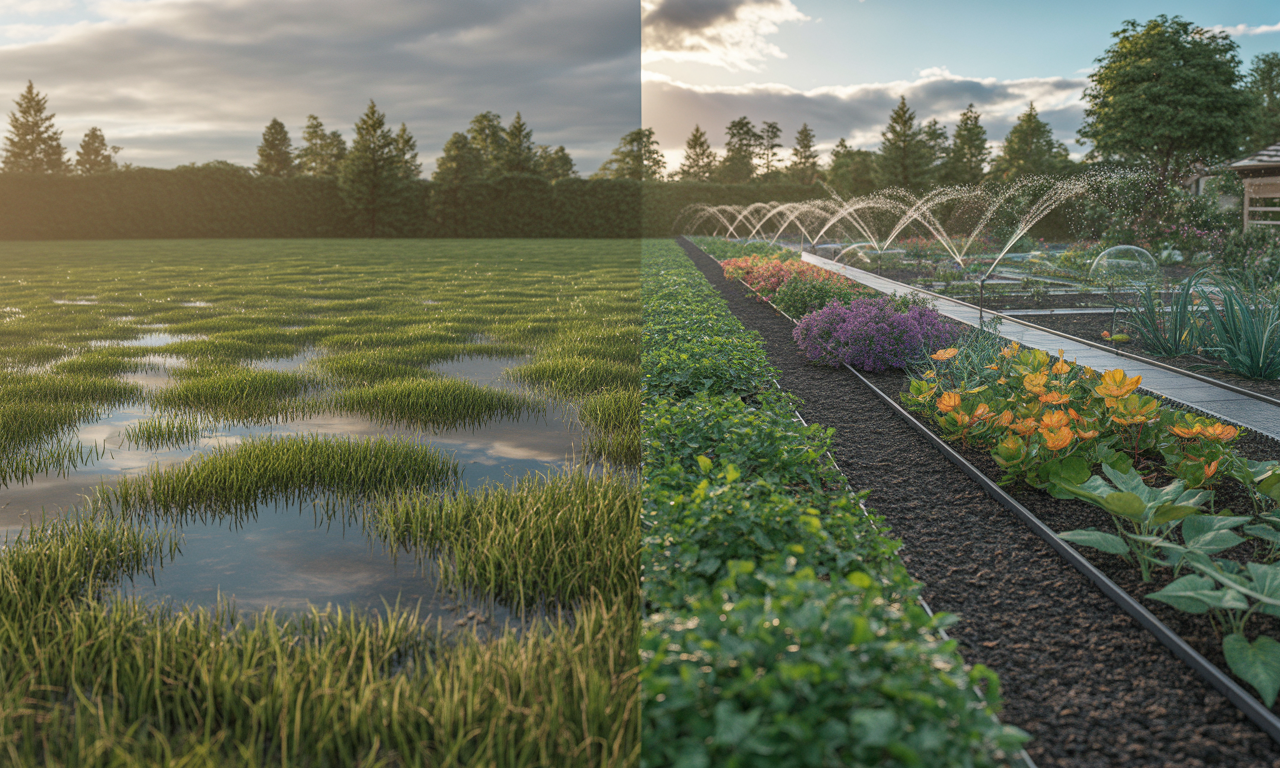
A weather-adaptive smart irrigation system delivers clear, practical benefits for gardens of all sizes. By aligning watering with real environmental conditions, it improves plant health while conserving water and reducing maintenance effort.
💧 Prevents Over-Watering and Root Damage
The problem:
Excess watering suffocates roots, washes away nutrients, and encourages disease.
The solution:
A weather-adaptive smart irrigation system waters only when predictive data and soil conditions confirm the need. This keeps soil oxygenated and roots strong.
Pro tip:
Healthier roots lead to better drought resistance and long-term plant stability.
💸 Saves Water and Lowers Utility Bills
The problem:
Traditional irrigation systems often waste large amounts of water due to inefficient scheduling.
The solution:
By skipping unnecessary watering cycles, a weather-adaptive smart irrigation system reduces water usage significantly without compromising plant growth.
Pro tip:
Water savings often become noticeable within the first few months of use.
🌱 Improves Plant Growth and Soil Health
The problem:
Inconsistent moisture levels stress plants and compact soil.
The solution:
A weather-adaptive smart irrigation system maintains balanced moisture levels, supporting healthy microbial activity and deeper root growth.
Pro tip:
Stable moisture improves nutrient uptake naturally.
⏱️ Reduces Manual Effort and Guesswork
The problem:
Manual watering requires constant monitoring and adjustment.
The solution:
With automation and predictive control, a weather-adaptive smart irrigation system handles daily irrigation decisions automatically, freeing up time for gardeners.
Pro tip:
Less intervention reduces mistakes caused by overcare.
🌍 Supports Sustainable and Eco-Friendly Gardening

The problem:
Water scarcity makes inefficient irrigation increasingly unsustainable.
The solution:
A weather-adaptive smart irrigation system aligns gardening practices with conservation goals, reducing runoff and water waste.
Pro tip:
Sustainable watering protects both your garden and local water resources.
By preventing over-watering, saving water, and improving plant health, a weather-adaptive smart irrigation system delivers long-term value for gardeners who want smarter, more responsible irrigation.
🌿 Challenges and Limitations of Weather-Adaptive Smart Irrigation Systems
While a weather-adaptive smart irrigation system offers strong water-saving and plant-health benefits, it is important to understand its limitations. Knowing these challenges helps gardeners choose the right system and use it effectively.
⚠️ Dependence on Weather Data Accuracy
The problem:
If weather forecasts are inaccurate or too general, irrigation decisions may not match real garden conditions.
The explanation:
A weather-adaptive smart irrigation system relies on forecast data to predict rainfall and evaporation. Regional forecasts may miss microclimates such as shaded yards or coastal humidity.
The solution:
Systems that combine local weather data with on-site soil sensors deliver more reliable results.
Pro tip:
Choose systems that allow location-specific weather calibration.
📶 Internet Connectivity and Power Reliability
The problem:
Most smart irrigation systems need internet access to retrieve weather data and updates.
The explanation:
Without connectivity, a weather-adaptive smart irrigation system may revert to basic schedules or pause automation temporarily.
The solution:
Look for systems with offline fail-safes and manual override options.
Pro tip:
Local control ensures continued operation during short outages.
💰 Initial Cost and Setup Complexity
The problem:
Smart irrigation systems cost more upfront than traditional timers.
The explanation:
A weather-adaptive smart irrigation system includes sensors, controllers, and software integration, which increases initial investment.
The solution:
Long-term water savings and healthier plants often offset upfront costs over time.
Pro tip:
Mid-range systems usually provide the best balance between features and affordability.
By understanding these limitations, users can apply a weather-adaptive smart irrigation system more effectively—maximizing water efficiency while avoiding common setup and data-related challenges.
🌿 How to Choose the Best Weather-Adaptive Smart Irrigation System
Selecting the right weather-adaptive smart irrigation system is crucial if your goal is to prevent over-watering while maximizing water efficiency. Not every “smart” system truly adapts to weather and soil conditions, so knowing what to look for helps you make a confident decision.
✅ Features That Truly Matter in Weather-Adaptive Systems
The problem:
Many irrigation products claim to be smart but only follow basic automation rules. These systems still water unnecessarily during rainfall or cool weather.
The explanation:
A true weather-adaptive smart irrigation system combines predictive weather data with real-time soil feedback. It adjusts watering dynamically rather than relying on fixed schedules.
The solution:
Prioritize systems that offer:
- Integration with local weather forecasts
- Soil moisture sensor compatibility
- Zone-level irrigation control
- Adaptive scheduling based on plant and climate data
Pro tip:
Systems that validate weather predictions with soil data prevent both under- and over-watering.
💰 Balancing Smart Irrigation System Price and Long-Term Value
The problem:
Lower-priced systems often lack advanced predictive features, while premium systems may seem expensive upfront.
The explanation:
The cost of a weather-adaptive smart irrigation system reflects its intelligence level, sensor accuracy, and automation depth. Entry-level systems reduce some waste, while advanced systems deliver consistent optimization.
The solution:
Instead of focusing only on price, consider:
- Expected water savings
- Reduction in plant stress and replacement costs
- Expandability and software updates
Pro tip:
Mid-range systems typically offer the best balance between affordability and predictive performance.
🔍 Using Smart Irrigation Controller Reviews Effectively
The problem:
Many reviews emphasize design or ease of setup rather than long-term accuracy.
The explanation:
A reliable smart irrigation controller review should evaluate how well the system adapts over multiple seasons and weather patterns.
The solution:
Look for reviews that discuss:
- Accuracy of weather-based adjustments
- Consistency of soil moisture control
- Performance during extreme weather conditions
Pro tip:
Long-term user feedback provides better insight than short-term impressions.
By focusing on predictive capability, sensor integration, and long-term value, you can choose a weather-adaptive smart irrigation system that truly prevents over-watering and supports sustainable, intelligent garden irrigation.
🌿 Smart Irrigation Controller Review Criteria (Weather-Adaptive Focus)
Before investing, it’s important to evaluate whether a controller truly supports a weather-adaptive smart irrigation system or simply offers basic automation. A clear review framework helps identify systems that genuinely prevent over-watering.
📊 Accuracy of Predictive Irrigation Technology
The problem:
Some controllers claim weather adaptation but rely on generic forecasts or delayed updates.
The explanation:
A reliable weather-adaptive smart irrigation system should process localized weather data, historical patterns, and real-time inputs to predict watering needs accurately.
The solution:
Evaluate how well the system:
- Adjusts irrigation before rainfall
- Responds to sudden temperature or humidity changes
- Learns from past watering outcomes
Pro tip:
Controllers that improve accuracy over time demonstrate true predictive capability.
💧 Water-Saving Efficiency and Zone Control
The problem:
One-size-fits-all watering wastes water across different garden zones.
The explanation:
Advanced systems manage zones independently. A weather-adaptive smart irrigation system tailors watering based on soil type, plant needs, and exposure.
The solution:
Look for controllers that support:
- Multiple zones with independent schedules
- Sensor-based overrides
- Flexible run-time adjustments
Pro tip:
Zone-level control significantly increases water efficiency.
🔧 Ease of Use, Reliability, and Support
The problem:
Complex interfaces and poor support reduce long-term usability.
The explanation:
Even the most advanced weather-adaptive smart irrigation system should remain easy to monitor and manage.
The solution:
Check for:
- Clear mobile or web dashboards
- Reliable software updates
- Responsive customer support
Pro tip:
Simple control interfaces encourage consistent, correct use.
🌿 Who Should Use a Weather-Adaptive Smart Irrigation System?
A weather-adaptive smart irrigation system delivers the greatest value to users who want efficient, low-waste watering without constant manual adjustment.
🏡 Home Gardeners
Perfect for lawns, flower beds, and vegetable gardens where weather changes frequently.
🌍 Water-Scarce Regions
Ideal for areas facing water restrictions, as predictive control reduces unnecessary irrigation.
⏳ Busy Homeowners
Automation handles daily decisions, saving time while maintaining plant health.
🌱 Eco-Conscious Gardeners
Supports sustainable gardening by minimizing runoff and conserving water.
By matching system capabilities with user needs, a weather-adaptive smart irrigation system becomes a powerful tool for smarter watering, healthier plants, and long-term water conservation.
Frequently Asked Questions (FAQ)
1. What is a weather-adaptive smart irrigation system?
A weather-adaptive smart irrigation system is an intelligent watering solution that adjusts irrigation schedules based on real-time weather forecasts, soil moisture data, and environmental conditions to prevent over-watering.
2. How does a weather-adaptive smart irrigation system prevent over-watering?
A weather-adaptive smart irrigation system uses predictive data such as rainfall forecasts, temperature, and humidity to pause, delay, or reduce watering when irrigation is unnecessary.
3. Is a weather-adaptive smart irrigation system better than a timer-based system?
Yes. Timer-based systems follow fixed schedules, while a weather-adaptive smart irrigation system adjusts watering dynamically based on actual conditions, making it far more efficient and accurate.
4. Do weather-adaptive smart irrigation systems work in small home gardens?
Absolutely. A weather-adaptive smart irrigation system works well for lawns, balconies, raised beds, and small gardens by controlling watering zones independently.
5. Can a weather-adaptive smart irrigation system reduce water bills?
Yes. By avoiding unnecessary watering cycles, a weather-adaptive smart irrigation system significantly reduces water usage, which often leads to lower utility bills.
6. Does a weather-adaptive smart irrigation system require soil sensors?
While not mandatory, soil sensors greatly improve accuracy. A weather-adaptive smart irrigation system performs best when weather data is validated with real-time soil moisture readings.
7. Are weather-adaptive smart irrigation systems difficult to maintain?
No. Maintenance is minimal. A weather-adaptive smart irrigation system mainly requires occasional sensor checks, software updates, and basic inspection of irrigation lines.
8. Is a weather-adaptive smart irrigation system suitable for water-scarce regions?
Yes. These systems are ideal for areas with water restrictions because they prioritize conservation and eliminate wasteful irrigation.
🌿 Conclusion: Is a Weather-Adaptive Smart Irrigation System Worth It?
Watering plants based on guesswork or rigid schedules no longer makes sense in a world of unpredictable weather patterns. A weather-adaptive smart irrigation system offers a smarter alternative by using predictive data to deliver water only when plants truly need it.
Throughout this guide, you’ve learned how predictive weather forecasts, soil moisture data, and adaptive automation work together to prevent over-watering. By skipping irrigation before rain, adjusting for heat and humidity, and validating decisions with sensor feedback, these systems protect roots, improve soil health, and conserve water efficiently.
The long-term value of a weather-adaptive smart irrigation system goes beyond convenience. Home gardeners enjoy healthier plants and lower water bills. Eco-conscious users reduce runoff and support sustainable water use. Busy homeowners gain peace of mind knowing their irrigation system adapts automatically to changing conditions.
As climate variability increases, intelligent irrigation becomes essential rather than optional. A weather-adaptive smart irrigation system is a future-ready investment that supports healthier gardens, responsible water use, and smarter outdoor living.
💬 Your Turn
Would you rely on predictive weather data to manage your garden’s watering automatically, or do you still prefer manual control? Share your thoughts or experiences in the comments—your insight could help others water smarter 🌱
💡Looking for something different? Check out our latest post here: https://gardeniva.com/gardeniva-com-best-garden-tool-sets-for-starters/