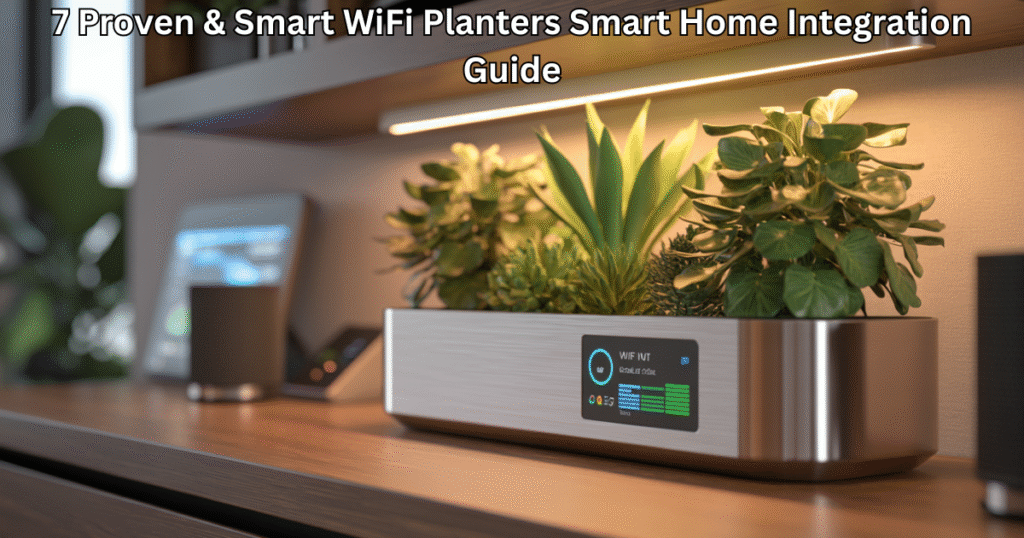
Discover how smart planters with cloud analytics track plant growth patterns over time using WiFi dashboards and data-driven insights.
- 🌿 What Are Smart Planters with Cloud Analytics?
- 🌿 How Cloud Analytics Track Plant Growth Patterns
- 🌿 Sensors Used in Smart WiFi-Enabled Planters
- 🌿 Understanding Growth Dashboards and Analytics Reports
- 🌿 Benefits of Tracking Plant Growth Over Time
- 🌿 Real-World Use Cases for Smart Planters
- 🌿 Common Mistakes When Using Cloud-Based Planters
- 🌿 How to Choose the Best Smart Planters with Cloud Analytics
- ❓ Frequently Asked Questions (FAQ)
- 🌿 Conclusion: Are Smart Planters with Cloud Analytics Worth Using?
🌱 Introduction
Keeping plants healthy often feels unpredictable. Some days they thrive, and other days they struggle, even when watering and lighting seem correct. The problem is not always care—it’s the lack of long-term insight. This is where smart planters with cloud analytics transform the way gardeners understand plant growth.
Traditional planters rely entirely on observation and routine. While helpful, visual checks miss subtle changes that happen gradually over time. Factors like moisture trends, temperature shifts, and light exposure affect growth patterns long before symptoms appear. Smart planters with cloud analytics capture this data continuously and store it in the cloud, making growth patterns visible and measurable.
By connecting sensors to cloud dashboards through WiFi, these planters track how plants respond to daily conditions. Instead of reacting to problems after damage occurs, gardeners can identify trends early and adjust care with confidence. This approach replaces guesswork with evidence-based decisions.
By the end of this guide, you’ll understand how smart planters with cloud analytics track plant growth patterns over time, how to interpret the data they provide, and how to use these insights to support healthier, more consistent plant growth.
🌿 What Are Smart Planters with Cloud Analytics?
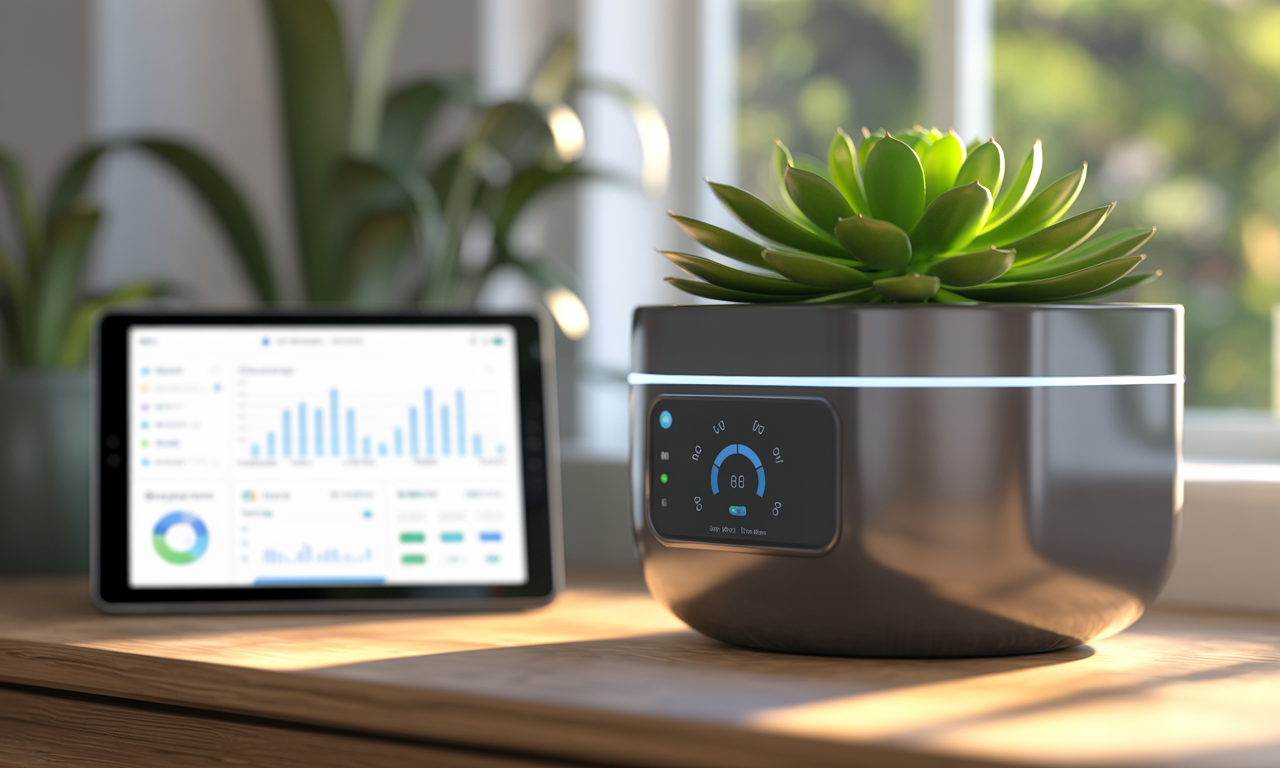
Smart planters with cloud analytics are connected planting systems that combine built-in sensors, WiFi connectivity, and cloud-based software to monitor plant conditions continuously. Unlike traditional pots, these planters do more than hold soil—they collect data, analyze patterns, and help gardeners understand how plants grow over time.
🌱 Why Traditional Planters Can’t Track Growth Patterns
The problem:
Conventional planters rely entirely on human observation. Gardeners judge plant health by looking at leaves, soil surface dryness, or growth speed. By the time visible symptoms appear, stress may have already affected roots or slowed development.
The explanation:
Plant growth is influenced by gradual changes—small moisture fluctuations, subtle temperature shifts, and inconsistent light exposure. These changes are difficult to notice day by day. Traditional planters provide no way to record or compare past conditions, making long-term pattern tracking impossible.
The solution:
Smart planters with cloud analytics solve this limitation by using embedded sensors to track variables such as soil moisture, temperature, and sometimes light or nutrient levels. This data is transmitted via WiFi to cloud platforms, where it is stored, processed, and displayed as trends rather than isolated readings.
Pro tip:
Growth patterns become meaningful only when data is collected consistently over weeks, not just checked occasionally.
☁️ How Cloud Connectivity Changes Plant Monitoring
The problem:
Local readings without history offer limited insight. A single “good” or “bad” value does not explain why growth is improving or declining.
The explanation:
Cloud analytics allow smart planters to store historical data securely and analyze it over time. Instead of showing only current conditions, dashboards reveal how moisture, temperature, or light patterns correlate with growth changes.
The solution:
With smart planters with cloud analytics, gardeners can:
- Compare current conditions with past performance
- Identify recurring stress patterns
- Understand how environmental changes affect growth rates
- Make informed adjustments based on trends, not guesses
Pro tip:
Weekly trend reviews are more useful than reacting to daily fluctuations.
By combining continuous sensing with cloud-based analysis, smart planters with cloud analytics transform plant care from reactive maintenance into a data-driven process—helping gardeners track growth patterns clearly and support healthier plants over time.
🌿 How Cloud Analytics Track Plant Growth Patterns
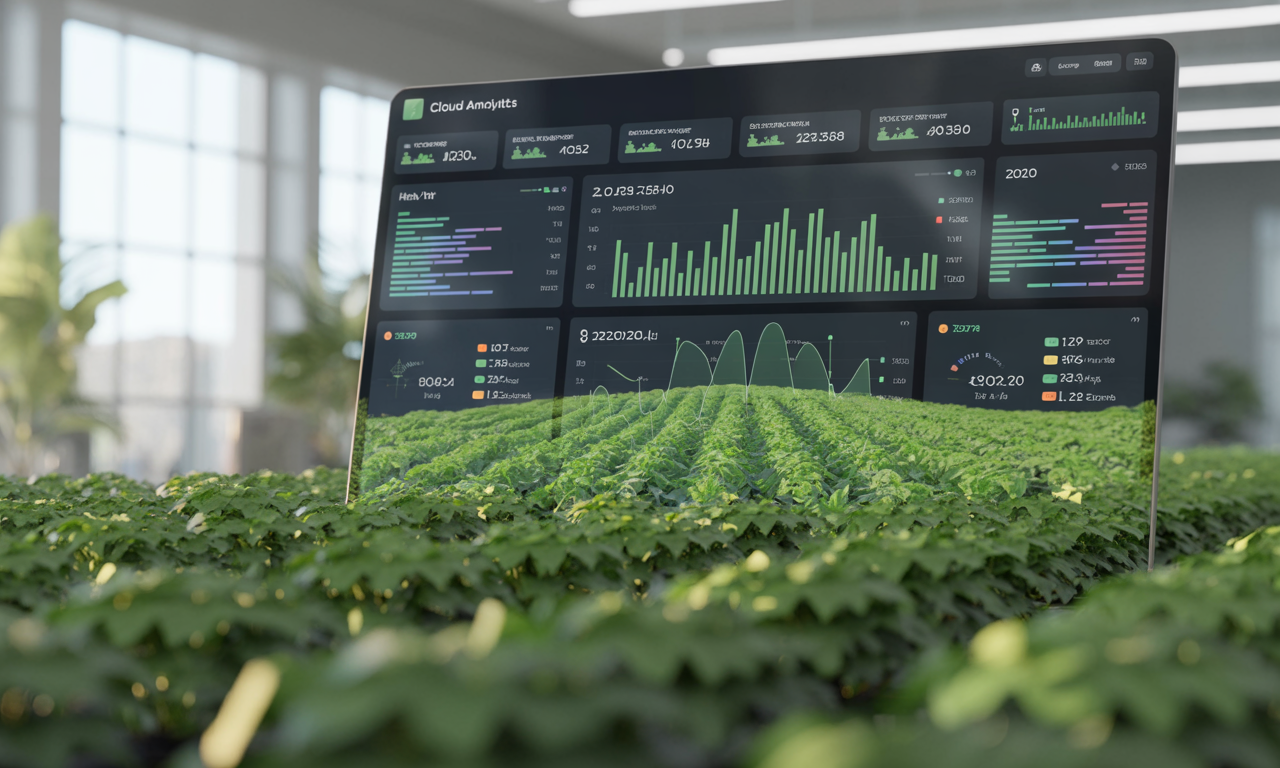
The real power of smart planters with cloud analytics lies not in collecting data, but in turning that data into meaningful growth insights. Raw sensor readings on their own can feel confusing. Cloud analytics organize, compare, and interpret this information so gardeners can understand how plants change over time.
📈 From Sensor Data to Growth Insights
The problem:
Many gardeners are overwhelmed by numbers. Moisture percentages, temperature values, or light readings do not automatically explain why a plant is growing faster or slower.
The explanation:
Smart planters continuously collect data from built-in sensors. This data is sent to cloud servers, where algorithms organize it into timelines, averages, and patterns. Instead of isolated readings, the system looks at how conditions change across days and weeks.
For example, cloud analytics may reveal that a plant grows best when soil moisture stays within a specific range for several days, or that temperature drops at night are slowing growth even though daytime conditions look ideal.
The solution:
With smart planters with cloud analytics, growth tracking becomes visual and intuitive. Dashboards convert raw data into charts, trend lines, and alerts that highlight relationships between conditions and plant response.
Pro tip:
Focus on long-term trends rather than daily spikes. Consistent patterns explain growth far better than short-term fluctuations.
🔍 Identifying Growth Trends Over Time
The problem:
Without historical data, it is impossible to tell whether a plant is improving, stagnating, or slowly declining.
The explanation:
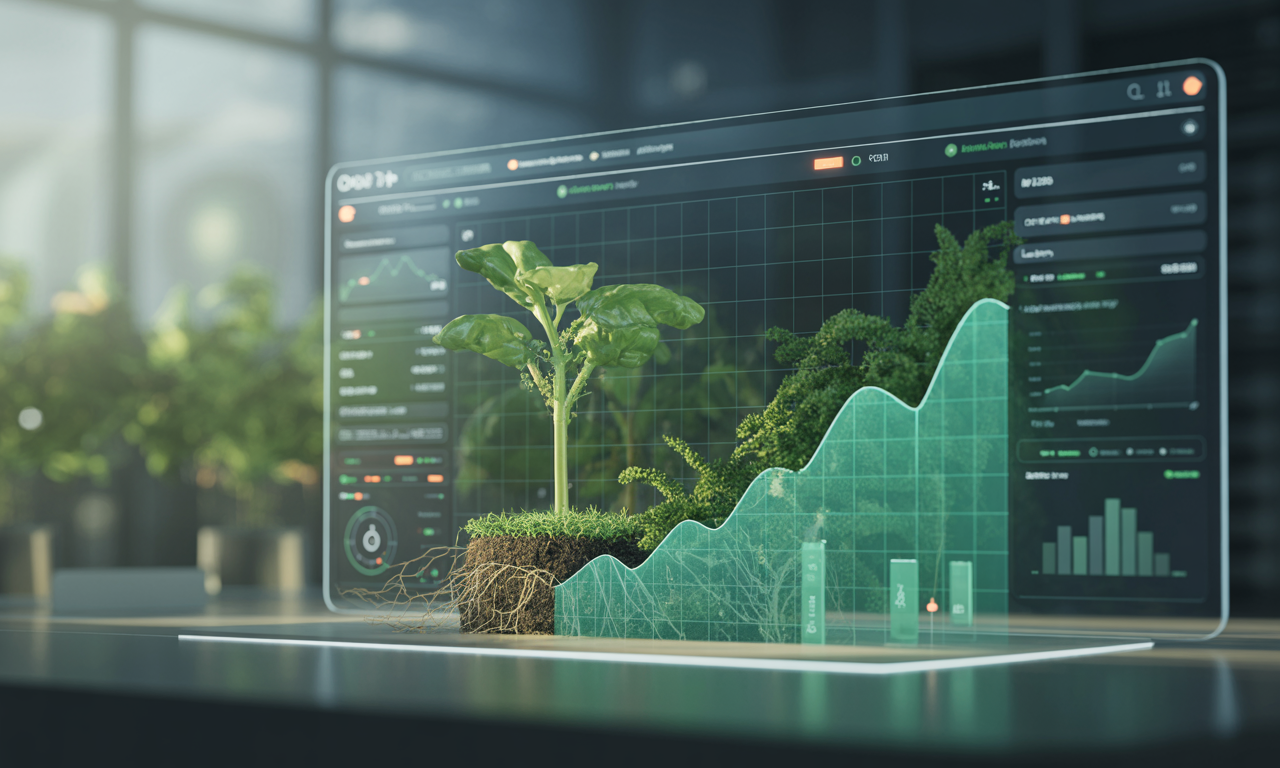
Cloud analytics store data over long periods, allowing comparisons across weeks or even months. This historical perspective reveals growth cycles, stress periods, and recovery phases that would otherwise go unnoticed.
The solution:
Using smart planters with cloud analytics, gardeners can identify:
- When growth accelerates or slows
- How seasonal changes affect plants
- Which care adjustments lead to improvement
- Early warning signs of stress before visible damage
Pro tip:
Review growth data weekly instead of daily to make calmer, more accurate care decisions.
By transforming continuous sensor readings into clear patterns, smart planters with cloud analytics help gardeners understand not just how plants look today, but how they are truly growing over time.
🌿 Sensors Used in Smart WiFi-Enabled Planters
The accuracy of smart planters with cloud analytics depends on the quality and combination of sensors inside the planter. Each sensor captures a specific aspect of the plant’s environment, and together they create a complete picture of growth conditions over time.
🌱 Soil, Light, Temperature, and Moisture Sensors Explained
The problem:
Monitoring only one factor—such as soil moisture—often leads to incomplete conclusions. A plant may receive enough water but still grow poorly due to temperature stress or insufficient light.
The explanation:
Most smart planters with cloud analytics use a multi-sensor setup, commonly including:
- Soil moisture sensors to track water availability at root level
- Temperature sensors to monitor root and ambient temperature changes
- Light sensors to measure daily light exposure and intensity
- Humidity sensors (in some models) to assess surrounding air conditions
Each sensor records data continuously and sends it to the cloud, where analytics software examines how these variables interact.
The solution:
By combining these sensor readings, smart planters with cloud analytics provide context instead of isolated values. For example, slow growth may be linked to low light levels over several days rather than watering issues.
Pro tip:
Sensor accuracy and placement matter more than the number of sensors. A well-calibrated sensor placed near the root zone produces far more useful data than multiple poorly positioned ones.
📡 Why Multi-Sensor Integration Improves Growth Tracking
The problem:
Single-sensor monitoring often misdiagnoses plant stress.
The explanation:
Plant growth responds to combined conditions. Moist soil with low temperature can slow nutrient uptake, while adequate light with low moisture can cause stress. Cloud analytics only become powerful when multiple sensor inputs are analyzed together.
The solution:
With smart planters with cloud analytics, multi-sensor data is layered and compared over time. This allows gardeners to identify which factor consistently limits growth and adjust care accurately.
Pro tip:
Look for patterns where two or more variables change together—these correlations often explain growth behavior better than any single metric.
By integrating multiple sensors into one connected system, smart planters with cloud analytics deliver deeper insight into plant growth and create a reliable foundation for long-term tracking and smarter care decisions.
🌿 Understanding Growth Dashboards and Analytics Reports
Collecting data is only useful when it can be understood easily. Smart planters with cloud analytics rely on dashboards and reports to translate raw sensor data into clear, actionable insights that help gardeners track plant growth patterns over time.
📊 Turning Data into Actionable Plant Care
The problem:
Many gardeners feel overwhelmed when they see charts, graphs, and numbers. Without guidance, data can feel confusing rather than helpful.
The explanation:
Cloud dashboards organize sensor data into simple visuals such as trend lines, averages, and alerts. Instead of showing every reading, smart planters with cloud analytics highlight meaningful changes—like consistent moisture decline, temperature stress periods, or reduced light exposure affecting growth.
These dashboards often include:
- Daily and weekly growth trends
- Moisture and temperature stability indicators
- Alerts when conditions move outside optimal ranges
The solution:
By focusing on summarized trends rather than raw numbers, gardeners can make calm, informed adjustments. For example, a dashboard may show that growth slows every time light levels drop for several days, guiding better planter placement.
Pro tip:
Check analytics weekly instead of daily. This helps you spot real growth patterns without overreacting to short-term fluctuations.
📈 Using Historical Reports to Improve Long-Term Growth
The problem:
Without historical records, it’s hard to know whether changes in care are actually helping.
The explanation:
Cloud analytics store long-term data, allowing comparisons across weeks and months. This historical view reveals how plants respond to changes in watering, lighting, or seasonal conditions.
The solution:
With smart planters with cloud analytics, gardeners can review past reports to:
- Identify which adjustments improved growth
- Recognize recurring stress cycles
- Plan seasonal care more effectively
Pro tip:
Use historical reports to guide future care rather than relying on memory or guesswork.
By simplifying complex data into clear dashboards and reports, smart planters with cloud analytics empower gardeners to understand growth patterns and make smarter decisions that support healthier plants over time.
🌿 Benefits of Tracking Plant Growth Over Time
One of the greatest advantages of smart planters with cloud analytics is the ability to observe how plants grow and respond to care over long periods. Instead of relying on short-term observations, gardeners gain a deeper understanding of plant behavior through consistent data tracking.
🌱 Why Long-Term Growth Tracking Matters
The problem:
Many plant issues develop slowly. By the time yellowing leaves, stunted growth, or drooping stems appear, the underlying cause may have been affecting the plant for weeks.
The explanation:
Plant growth is influenced by patterns, not single events. Repeated moisture stress, gradual temperature changes, or inconsistent light exposure can quietly reduce growth without obvious warning signs. Without historical data, these patterns remain hidden.
The solution:
With smart planters with cloud analytics, growth data is recorded continuously and stored in the cloud. This allows gardeners to:
- Detect early signs of stress before visible damage
- Understand how daily conditions affect long-term growth
- Identify which care routines produce the best results
Pro tip:
Healthy plants show stable trends over time. Sudden changes in long-term graphs often signal developing issues.
🌿 Key Benefits of Growth Pattern Analysis
Tracking growth over time with smart planters with cloud analytics delivers several practical benefits:
- Early stress detection before plants show symptoms
- Improved watering accuracy by learning optimal moisture patterns
- Better nutrient timing based on growth response
- Reduced plant loss through proactive adjustments
- More consistent growth across different seasons
By focusing on trends rather than isolated observations, smart planters with cloud analytics help gardeners move from reactive plant care to predictive, data-driven decisions that support healthier and more resilient plants.
🌿 Real-World Use Cases for Smart Planters
The value of smart planters with cloud analytics becomes most clear when applied in everyday settings. These planters are not limited to tech enthusiasts—they solve practical problems faced by home gardeners, apartment dwellers, and even offices where plant care consistency is a challenge.
🏠 Indoor Houseplants
The challenge:
Indoor plants often suffer from irregular watering, poor light placement, and unnoticed temperature changes.
How smart planters help:
With smart planters with cloud analytics, indoor plants are monitored continuously. Cloud dashboards reveal how light exposure, moisture trends, and room temperature affect growth over time.
Result:
Healthier houseplants, fewer surprise failures, and better placement decisions based on real data.
🌿 Balcony and Terrace Gardens
The challenge:
Balconies experience fluctuating sunlight, wind exposure, and faster soil drying.
How smart planters help:
Smart planters track daily light intensity and moisture loss patterns. Cloud analytics highlight which areas receive optimal conditions and which plants need repositioning.
Result:
More balanced growth and improved survival in challenging outdoor microclimates.
🌱 Herbs and Vegetables
The challenge:
Edible plants have changing needs as they grow, flower, and produce harvests.
How smart planters help:
Using smart planters with cloud analytics, gardeners can track growth patterns alongside moisture and temperature trends, adjusting care as plants mature.
Result:
More consistent yields and better timing for watering, feeding, and harvesting.
🏢 Office and Commercial Spaces
The challenge:
Plants in offices often decline due to inconsistent care and lack of monitoring.
How smart planters help:
Cloud-based monitoring allows caretakers to track multiple planters remotely, ensuring stable conditions without daily inspection.
Result:
Longer-lasting, healthier plants with reduced maintenance effort.
By adapting to different environments, smart planters with cloud analytics prove their practicality beyond novelty. They bring consistency, insight, and confidence to plant care across a wide range of real-world scenarios.
🌿 Common Mistakes When Using Cloud-Based Planters
While smart planters with cloud analytics offer powerful insights, their effectiveness depends on how the data is interpreted and applied. Many gardeners make avoidable mistakes that limit the benefits of cloud-based growth tracking.
⚠️ Data Overload and Misinterpretation
The problem:
Cloud dashboards often display multiple charts and metrics at once. Some users react to every small change, adjusting watering or plant position too frequently.
The explanation:
Plant data naturally fluctuates from day to day. Minor variations in moisture, temperature, or light are normal and do not always indicate a problem. Treating every fluctuation as an issue can disrupt stable growing conditions.
The solution:
With smart planters with cloud analytics, decisions should be based on patterns rather than isolated data points. Look for trends that persist over several days or weeks before making adjustments.
Pro tip:
Weekly reviews of growth trends are more reliable than daily checks.
⚠️ Ignoring Context and Plant Type
The problem:
Some gardeners apply the same data interpretation rules to all plants.
The explanation:
Different plants have different growth behaviors and tolerance levels. What looks like stress for one plant may be normal for another. Cloud analytics provide data, but they do not replace basic plant knowledge.
The solution:
Use smart planters with cloud analytics alongside an understanding of each plant’s natural growth habits. Compare current data with that plant’s historical performance instead of generic benchmarks.
Pro tip:
Use historical data from your own planter as the best reference point.
⚠️ Poor WiFi Connectivity and Sync Issues
The problem:
Unstable WiFi connections can interrupt data syncing.
The explanation:
Cloud analytics depend on consistent data flow. Missed uploads create gaps that reduce trend accuracy.
The solution:
Ensure strong WiFi coverage where smart planters with cloud analytics are placed. Periodically check sync status to maintain reliable data records.
Pro tip:
Consistent data collection matters more than constant real-time access.
By avoiding these common mistakes, gardeners can unlock the full potential of smart planters with cloud analytics—using data calmly, contextually, and effectively to support long-term plant growth.
🌿 How to Choose the Best Smart Planters with Cloud Analytics
Selecting the right device is critical if you want reliable insights and long-term value. Not all connected planters are built the same, and the quality of smart planters with cloud analytics depends on both hardware accuracy and software intelligence.
✅ Features That Matter Most
The problem:
Many buyers focus on design or basic automation features, overlooking data quality and usability.
The explanation:
For growth tracking to be meaningful, cloud analytics must be accurate, consistent, and easy to understand. Poor sensors or confusing dashboards can create more noise than insight.
The solution:
When evaluating smart planters with cloud analytics, prioritize these essentials:
- Reliable WiFi connectivity for uninterrupted data syncing
- Cloud storage with history, allowing weeks or months of trend analysis
- Clear dashboards that highlight patterns instead of raw numbers
- Accurate sensors for moisture, temperature, and light
- Mobile app usability, including alerts and summaries
Pro tip:
Choose planters that show trends and averages, not just live readings. Growth patterns matter more than real-time values.
💰 Price vs Long-Term Value
The problem:
Cheaper smart planters may look appealing but often sacrifice data accuracy or cloud features.
The explanation:
Low-cost models may limit data history, reduce sensor precision, or rely on unstable apps. Over time, unreliable insights can lead to poor care decisions and plant loss.
The solution:
Invest in smart planters with cloud analytics that balance price with performance. Mid-range options often provide the best mix of dependable sensors, stable cloud platforms, and useful analytics without unnecessary extras.
Pro tip:
A planter that helps you save even a few plants over time usually pays for itself.
By focusing on data reliability, cloud functionality, and ease of use, gardeners can choose smart planters with cloud analytics that genuinely support growth tracking and smarter plant care decisions.
❓ Frequently Asked Questions (FAQ)
1. What are smart planters with cloud analytics?
Smart planters with cloud analytics are WiFi-enabled planters equipped with sensors that collect plant and environmental data and store it in the cloud. This allows gardeners to track growth patterns, view historical trends, and make data-driven care decisions over time.
2. How do cloud analytics track plant growth patterns?
Cloud analytics process sensor data—such as soil moisture, temperature, and light—and convert it into trends and reports. With smart planters with cloud analytics, growth patterns become visible through charts and timelines instead of isolated readings.
3. Do smart planters work without WiFi?
Most smart planters can collect data locally, but smart planters with cloud analytics require WiFi to sync data, store history, and generate long-term growth insights. Without WiFi, analytics features may be limited.
4. Are smart planters with cloud analytics accurate?
Accuracy depends on sensor quality and calibration. High-quality smart planters with cloud analytics provide reliable data when placed correctly and maintained regularly.
5. Can smart planters replace manual plant care?
No. Smart planters with cloud analytics support plant care by providing insights, but they do not replace observation. Visual checks and basic plant knowledge are still important.
6. Are smart planters suitable for beginners?
Yes. Many beginners benefit from smart planters with cloud analytics because dashboards simplify complex data into easy-to-understand trends and alerts.
7. How often should I check cloud analytics dashboards?
Weekly reviews are usually sufficient. Smart planters with cloud analytics are most useful when trends are observed over time rather than reacting to daily fluctuations.
8. Are smart planters with cloud analytics worth the investment?
For gardeners who want consistency, insight, and long-term growth tracking, smart planters with cloud analytics are worth the investment. They reduce guesswork and help prevent repeated care mistakes.
🌿 Conclusion: Are Smart Planters with Cloud Analytics Worth Using?
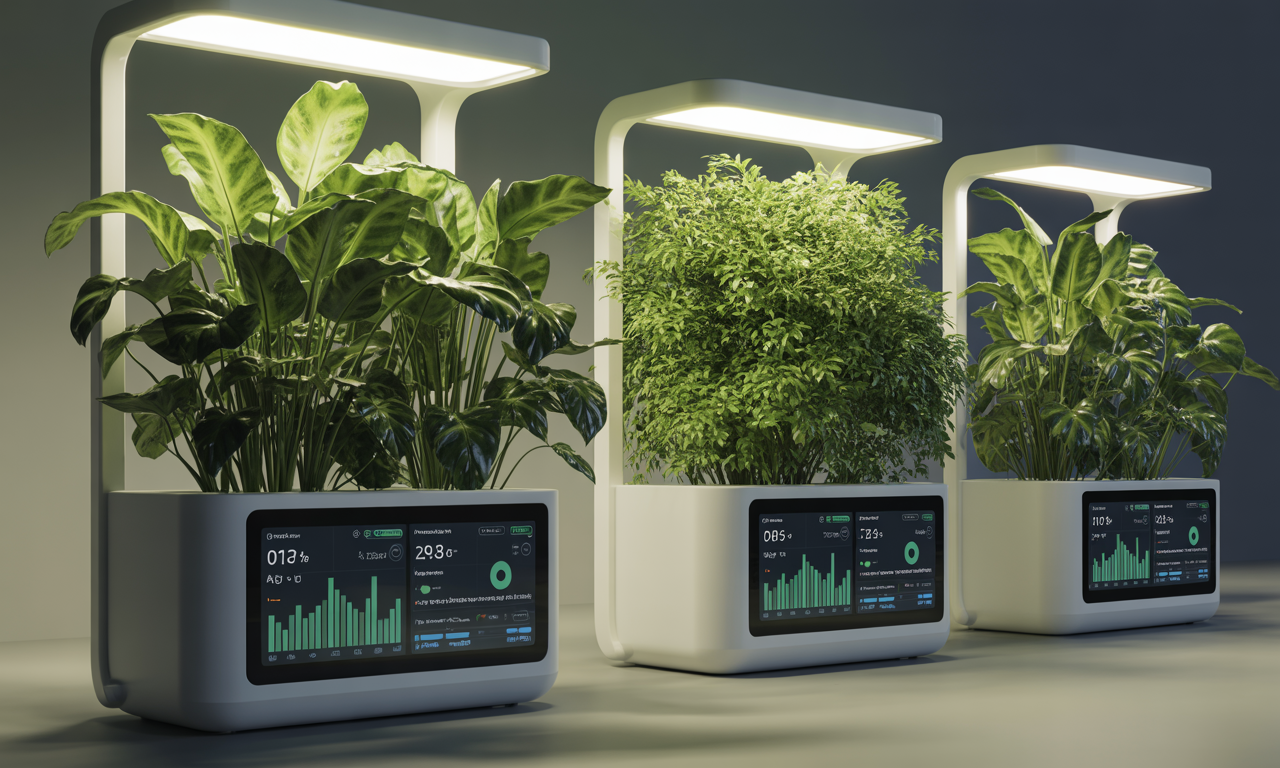
Plant growth is shaped by patterns, not isolated actions. Watering once or adjusting light occasionally may help in the short term, but long-term success comes from understanding how plants respond over time. Smart planters with cloud analytics make this understanding possible by turning everyday plant data into clear growth trends.
Throughout this guide, you’ve seen how cloud-connected planters track moisture, temperature, and light, store historical data, and present it through intuitive dashboards. This continuous insight helps gardeners identify early stress, refine care routines, and make confident adjustments based on evidence rather than guesswork.
The real strength of smart planters with cloud analytics lies in consistency. They don’t replace plant care—they enhance it by revealing patterns that the human eye cannot easily detect. Whether you grow houseplants, herbs, or balcony gardens, growth analytics help you move from reactive care to proactive plant management.
As gardening becomes more connected and data-driven, smart planters with cloud analytics represent a practical step forward. For gardeners who value insight, stability, and healthier plants over time, these planters offer a smarter way to grow.
💬 Your Turn
Would you use cloud analytics to track your plant’s growth over time, or do you prefer traditional observation? Share your thoughts or experiences in the comments—your perspective could help others grow smarter 🌱
🌱
💡Looking for something different? Check out our latest post here: https://gardeniva.com/wifi-planters-smart-home-integration/