Discover the best garden soil, light and pH sensors of 2025. Learn how these smart gardening tools help you measure, monitor, and master your plant health with data-driven precision.
🌱 Introduction: Why Smart Garden Sensors Matter in 2025
Have you ever wondered why two plants in the same soil bed can grow so differently? The answer often lies beneath the surface — in the unseen world of soil nutrients, moisture, light, and pH balance. For years, gardeners relied on intuition and guesswork to understand what their plants needed. But today, with garden soil, light and pH sensors, you can decode your garden’s hidden language with scientific precision.
These smart tools don’t just measure — they translate real-time soil data into clear, actionable insights. Imagine knowing exactly when your plants need watering, whether the sunlight is sufficient, or if the soil pH is ideal for tomatoes or roses. From backyard hobbyists to professional growers, smart sensors have become the secret weapon to achieving consistent growth, lush greenery, and higher yields.
By the end of this guide, you’ll discover the 7 best garden soil, light and pH sensors in 2025 — each tested and proven to help gardeners get real, measurable results. Whether you’re nurturing herbs on a balcony or managing a smart greenhouse, these innovative devices will help you make every drop of water, ray of sunlight, and grain of soil count.
🌿 Understanding Garden Soil, Light, and pH Sensors
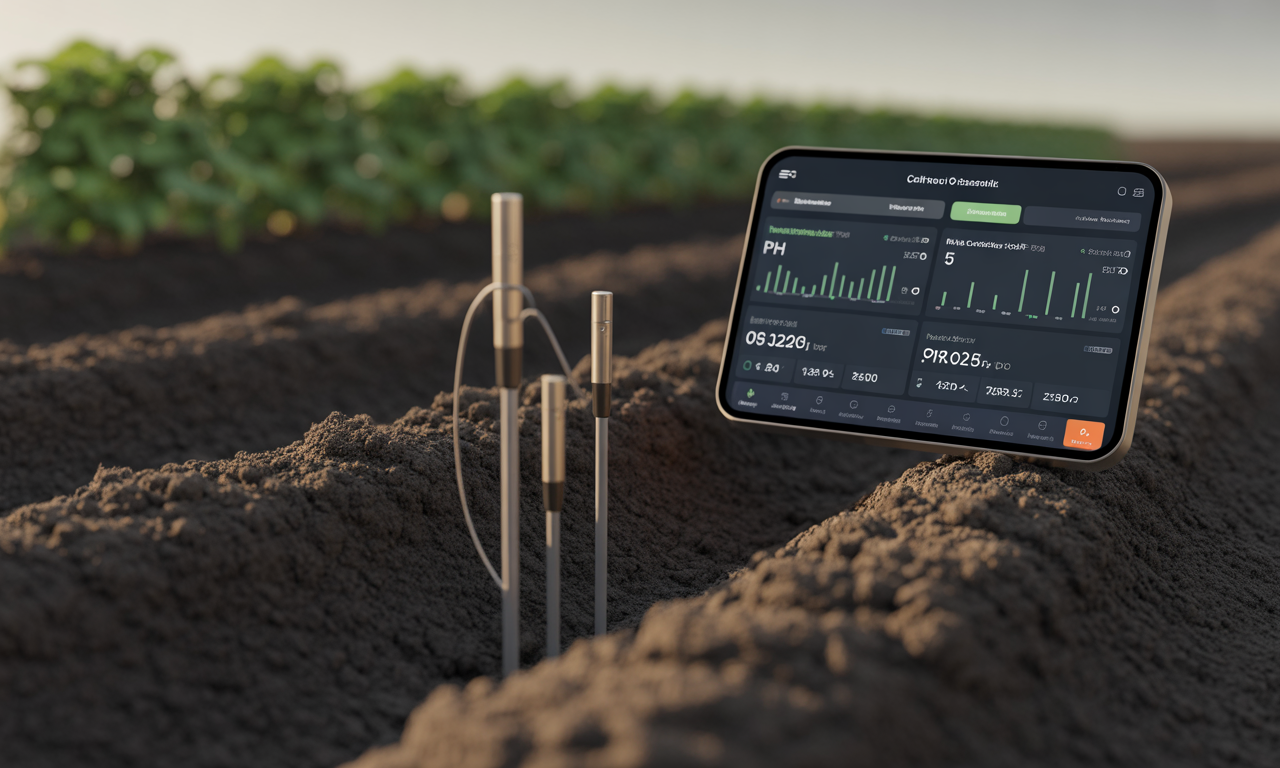
Gardening may seem like an art, but thriving plants depend heavily on science — especially the science of balance. The health of your garden revolves around three invisible forces: soil condition, light intensity, and pH level. This is where garden soil, light and pH sensors step in, transforming complex environmental data into simple numbers and charts you can act upon.
🧪 What Are Garden Soil, Light, and pH Sensors?
These smart devices are tiny yet powerful tools designed to read your garden’s vital signs.
- Soil Sensors detect the moisture level and temperature in the soil, helping you know exactly when to water your plants — no more overwatering or guesswork.
- Light Sensors measure the amount of sunlight your plants receive daily, ensuring optimal exposure for photosynthesis.
- pH Sensors test the acidity or alkalinity of your soil, revealing whether your environment supports the nutrients your plants need most.
Together, they act like a fitness tracker for your garden, monitoring and reporting the factors that directly affect plant growth.
🌤️ Why These Sensors Matter
Even the most experienced gardeners face challenges — wilting leaves, yellowing stems, or stunted growth — often caused by invisible soil imbalances or improper light. Traditional observation can’t always detect these issues early enough. But with a smart soil, light and pH sensor, you can identify problems before they harm your plants.
- Prevent Root Rot: Get alerts when the soil stays wet for too long.
- Optimize Light Exposure: Adjust your plants’ placement for ideal growth conditions.
- Balance Soil Nutrients: Maintain a neutral pH for balanced nutrient absorption.
In short, these sensors eliminate the guesswork and let your plants “communicate” their needs directly.
🌱 How They Work Together
A connected garden system combines all three metrics — moisture, light, and pH — to create a real-time health report of your plants. Most modern devices sync with mobile apps, displaying intuitive dashboards with easy-to-understand visuals. Some even use AI to recommend watering schedules or fertilizer adjustments based on your garden’s data history.
| Sensor Type | What It Measures | Why It Matters |
| Soil Sensor | Moisture, temperature | Prevents over/under-watering |
| Light Sensor | Intensity, duration | Ensures optimal sunlight for photosynthesis |
| pH Sensor | Soil acidity/alkalinity | Balances nutrient uptake for growth |
🌼 Pro Tip:
If you’re setting up a new garden, choose a multi-sensor device that monitors all three parameters. It simplifies your workflow and helps you build a data-driven ecosystem right from day one.
With a basic understanding of how these sensors work, let’s explore what to look for before buying — so you can choose a tool that fits your garden, budget, and goals perfectly.
🌾 Key Factors to Consider Before Buying Garden Soil, Light and pH Sensors
Choosing the right sensor is crucial if you want accurate data and long-term reliability. These tools have become more affordable and advanced, helping both beginners and professionals manage soil health and light exposure with ease. Here’s what you should evaluate before making your purchase.
⚙️ 1. Accuracy and Sensor Type
A sensor’s true value lies in its accuracy. Whether you’re tracking soil moisture or light intensity, consistent results are what matter most.
Models that allow calibration or come with digital probes usually offer better precision. Cheaper versions can still perform well but may need occasional verification.
Pro Tip: Compare a few readings using tap water or known soil types to test your device’s reliability.
📶 2. Connectivity and Compatibility
Modern sensors often pair with your smartphone or home Wi-Fi, turning ordinary gardening into a connected experience.
Bluetooth versions work well for small areas, while Wi-Fi models allow remote monitoring and data storage. App-controlled options can send alerts when moisture or pH levels change.
Pro Tip: Choose a device that syncs with both Android and iOS to avoid future compatibility issues.
🔋 3. Battery Life and Durability
A good sensor should survive rain, heat, and long seasons outdoors. Look for waterproof casings and replaceable batteries.
Durable probes are a must, especially if you garden in clay or sandy soil. Some newer models even feature solar charging to minimize maintenance.
Pro Tip: Clean the probe ends gently after each use and recalibrate monthly during active growing periods.
📱 4. Data Insights and App Integration
Smart apps visualize soil and light data through colorful graphs or AI suggestions.
They help you understand patterns and make adjustments instead of reacting blindly to plant problems.
Even if you prefer simpler tools, the ability to log data over time is a major advantage.
🌿 5. Price vs. Features
While inexpensive testers are great for beginners, higher-end devices deliver better sensitivity and longevity.
If possible, pick a mid-range model that measures multiple parameters—moisture, light, temperature, and pH—in one reading.
Summary:
Look for balance. The right sensor isn’t just a gadget—it’s a companion that teaches you how your garden behaves through measurable, reliable data.
🌻 Top 7 Garden Soil, Light and pH Sensors (2025 Edition)
Here are seven standout models for gardeners who want smarter and easier monitoring. Each one offers different strengths to suit varying budgets and garden sizes.
🌱 1. Tusmad 4-in-1 Soil pH Meter
A premium option that measures moisture, light, nutrients, and pH.
Its fast readings and sturdy design make it perfect for serious gardeners looking for all-in-one functionality.
🌿 2. FreshDcart 3-in-1 Soil Meter
Simple and effective, this battery-free tool gives clear readings for moisture, light, and soil pH.
Ideal for small gardens or balcony setups.
🌼 3. 4-in-1 Soil Tester Kit
A solid mid-range choice with strong probes and easy calibration.
Offers both sunlight and soil readings, useful for mixed indoor and outdoor plant collections.
🌺 4. Atree 3-in-1 Moisture and pH Meter
A beginner favorite known for reliability and affordability.
Measures all three key variables without requiring batteries.
🌾 5. Kensizer 3-in-1 Garden Tool
Compact and lightweight, perfect for tight or vertical garden spaces.
Delivers stable readings quickly and is simple to clean and store.
🌻 6. Netro Whisperer Smart Sensor
For those wanting automation, this Wi-Fi-enabled device sends real-time updates to your phone and connects with smart irrigation systems.
🌸 7. Gardena Smart Sensor Control Set
The high-end choice. Integrates with the Gardena ecosystem for automatic watering based on live soil and light readings.
📊 Comparison Snapshot
| Model | Parameters | Connectivity | Ideal For |
| Tusmad 4-in-1 | Moisture, Light, Nutrients, pH | Manual | All-round garden use |
| FreshDcart 3-in-1 | Moisture, Light, pH | Manual | Beginners |
| 4-in-1 Kit | Moisture, Light, pH, Sunlight | Manual | Mid-level gardeners |
| Atree 3-in-1 | Moisture, Light, pH | Manual | Small gardens |
| Kensizer 3-in-1 | Moisture, Light, pH | Manual | Compact spaces |
| Netro Whisperer | Moisture, Light, pH | Wi-Fi | Smart automation |
| Gardena Control Set | Moisture, Light, pH | Wi-Fi | Advanced setups |
Each of these sensors offers valuable insights to guide your watering, sunlight exposure, and fertilizing habits—all with measurable precision.
🌿 Benefits of Using Smart Garden Soil, Light and pH Sensors
Smart gardening technology helps bridge the gap between guesswork and science. Here’s how these compact devices transform how you care for your plants.
🌱 1. Smarter Watering and Healthier Roots
Consistent soil monitoring helps prevent both under- and over-watering.
Sensors show when the soil is too dry or moist, letting you time irrigation perfectly and reduce root stress.
💧 2. Better Light Management
Plants thrive under specific lighting conditions.
Using a simple light meter ensures your indoor plants receive enough exposure without burning delicate leaves.
🌾 3. Balanced Soil Nutrition
By tracking soil pH, you can adjust compost and fertilizer use more precisely.
Balanced soil chemistry supports stronger roots, higher yields, and vibrant growth.
🌼 4. Resource Savings
Regular data-based care reduces waste—less water, fewer chemical fertilizers, and less energy used for grow lights.
A small investment in one device often saves money and effort across the whole season.
🌿 5. Continuous Learning
These sensors help you understand the unique behavior of your garden over time.
As you collect data, you’ll learn which plants love morning light, which struggle in acidic soil, and how seasonal weather affects moisture.
✅ In Short
Smart gardening tools offer a perfect mix of convenience and knowledge.
They help you water wisely, manage light effectively, and keep soil healthy—all key steps to growing a thriving, balanced garden.
🌿 How to Use and Maintain Garden Soil, Light and pH Sensors
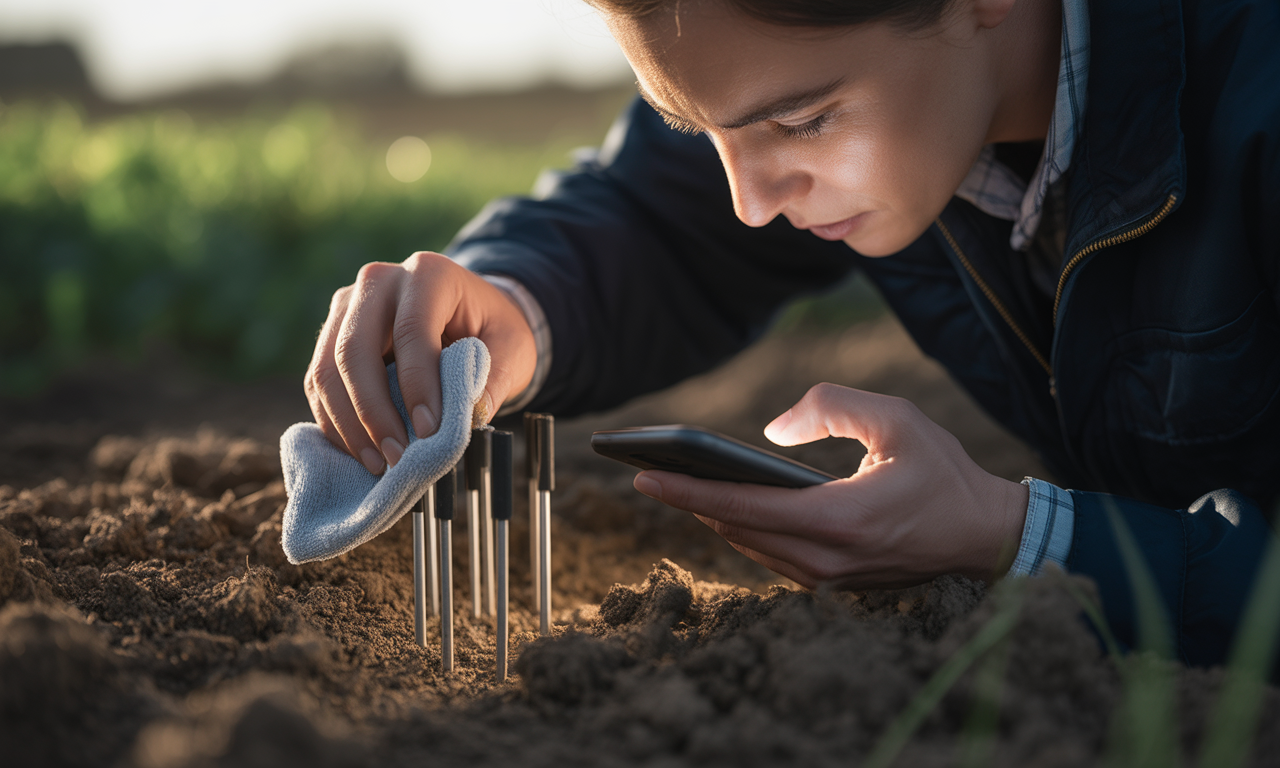
Owning garden soil, light and pH sensors is only the first step toward mastering smart gardening. The real power lies in knowing how to use and maintain them effectively. Even the best sensor can give misleading data if not handled properly. This section walks you through correct usage, calibration, and maintenance — so your readings remain accurate season after season.
🌱 1. Choosing the Right Placement
The placement of garden soil, light and pH sensors determines how accurate your readings will be.
- Soil Sensors: Insert the probe near the root zone — typically 4–6 inches deep — where the most nutrient and water activity occurs.
- Light Sensors: Place the sensor at the height of your plant’s leaves for accurate sunlight intensity readings.
- pH Sensors: Choose different soil spots in your garden for sampling; soil pH can vary even within small areas.
Pro Tip: For best results, test the same spots weekly at the same time of day to maintain consistent comparison data.
💧 2. Preparing the Soil Before Testing
Before inserting garden soil, light and pH sensors, loosen the soil gently and remove rocks or debris. Hard or compact soil can block the probes and distort the readings.
- Make sure the soil is moist but not soggy.
- Avoid extremely dry or waterlogged areas.
- Clean the probe tips before each use to prevent residue buildup.
Quick Tip: If you’re testing freshly fertilized soil, wait 24 hours — fertilizers can temporarily alter pH readings.
🔋 3. Calibrating the Sensors
Calibration ensures your garden soil, light and pH sensors deliver accurate results. Many digital sensors come with a calibration feature, while analog ones require manual reference checking.
- For pH Sensors: Use standard buffer solutions (pH 4, 7, and 10) for calibration.
- For Moisture Sensors: Test with both dry and wet soil to identify range limits.
- For Light Sensors: Compare readings with a known lux meter or under standardized light conditions.
Pro Tip: Calibrate monthly during active gardening seasons and before storing the device after long breaks.
📱 4. Syncing with Apps and Devices
Modern garden soil, light and pH sensors often connect to mobile apps via Bluetooth or Wi-Fi.
- Download the compatible app.
- Pair your sensor device following the manufacturer’s instructions.
- Grant access for real-time data updates.
- Set custom alerts for moisture, light, or pH thresholds.
Some apps provide graphical charts, AI recommendations, and weekly reports to help you plan watering, lighting, and fertilizing schedules effortlessly.
Pro Tip: Connect your sensor to smart assistants like Alexa or Google Home to automate irrigation and lighting based on data readings.
🧽 5. Cleaning and Maintenance Tips
Proper maintenance extends your sensor’s life and preserves accuracy. Over time, moisture and soil residue can corrode probes.
- After every use, gently wipe the probes with a soft cloth.
- For stubborn residue, use distilled water and mild detergent.
- Never submerge electronic parts in water.
- Store in a cool, dry place when not in use.
Pro Tip: Apply a thin layer of protective oil on metal probes before long-term storage to prevent oxidation.
🧩 6. Common Troubleshooting Tips
Even top-rated garden soil, light and pH sensors can show inconsistent readings. Here’s how to fix common issues:
| Problem | Possible Cause | Solution |
| Unstable pH reading | Dirty or dry probe | Clean and moisten probe before inserting |
| Low moisture reading in wet soil | Probe not deep enough | Insert deeper into the root zone |
| No app connection | Bluetooth/Wi-Fi issue | Re-pair the device and check range |
| Incorrect light readings | Sensor obstructed by leaves | Adjust placement for direct light |
Pro Tip: Always cross-check readings with known reference tools once a month for consistency.
🌼 7. Seasonal Care and Long-Term Use
Seasonal changes affect soil conditions. During summer, frequent checks are essential to avoid drought stress, while in monsoon or winter, readings help prevent overwatering.
- Use garden soil, light and pH sensors more often during extreme weather.
- Keep a digital log for year-over-year comparison.
- Replace worn-out probes every 12–18 months to maintain accuracy.
Pro Tip: Label your sensors for different zones (e.g., herbs, flowers, vegetables) to better organize and analyze your data.
Summary Insight:
When used correctly, garden soil, light and pH sensors become your garden’s most reliable companions — helping you create a data-backed growing system that saves effort, reduces waste, and enhances yield. Remember, proper usage and maintenance are what transform a regular tool into a long-term gardening partner.
🌿 Expert Gardening Tips for 2025 Using Garden Soil, Light and pH Sensors
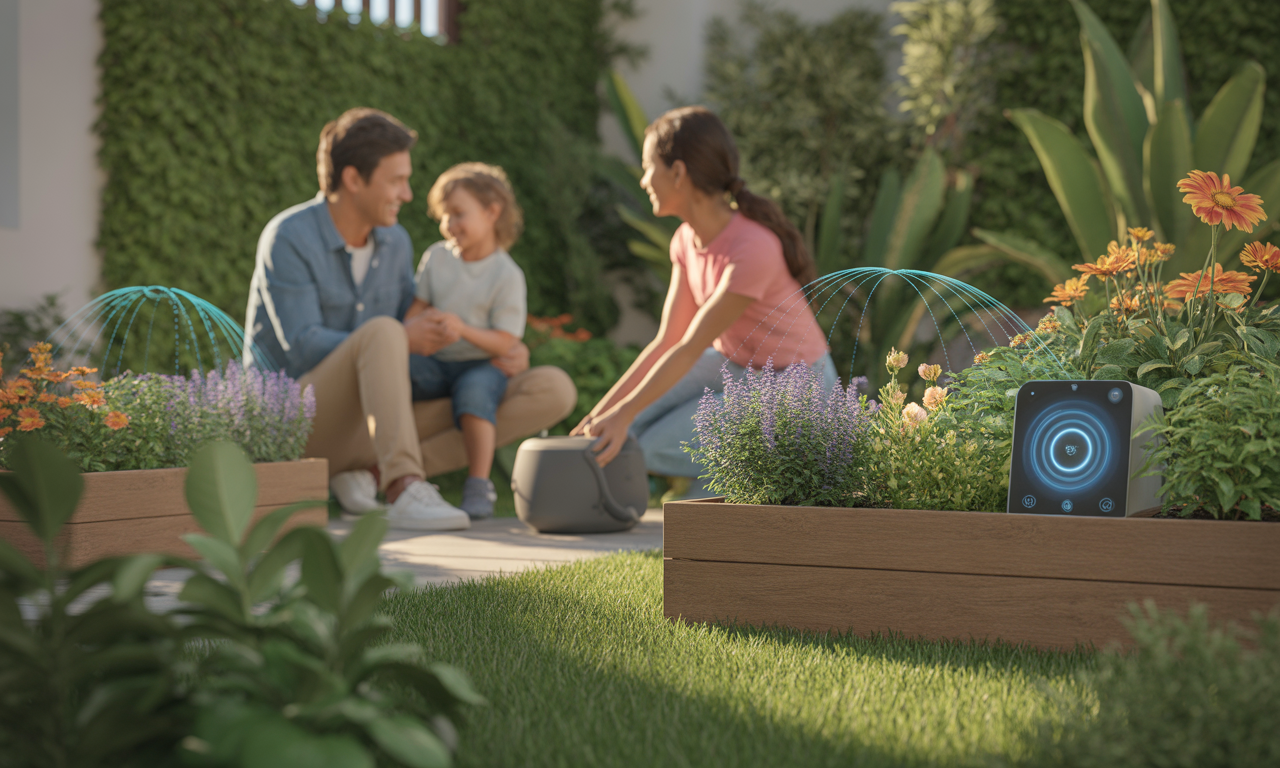
As gardening evolves into a blend of science, sustainability, and smart technology, garden soil, light and pH sensors have become the cornerstone of modern plant care. They provide not just data, but insights that empower gardeners to grow smarter, save resources, and achieve healthier, more resilient plants. Below are expert tips for 2025 that will help you take full advantage of these devices and create your most productive garden yet.
🌱 1. Integrate Sensors with Smart Automation
One of the most exciting trends in 2025 is the integration of garden soil, light and pH sensors with smart irrigation and lighting systems.
- Pair your sensors with automated watering devices that activate only when soil moisture dips below a set threshold.
- Connect light sensors to grow lights that adjust intensity according to real-time sunlight data.
- Use AI-enabled garden assistants to interpret data trends and optimize nutrient schedules.
Pro Tip: Combine your sensors with an AI-powered garden hub or voice assistant like Alexa or Google Home for complete automation — ideal for busy gardeners or professionals managing large setups.
🌞 2. Keep Seasonal Sensor Logs
Plants have seasonal rhythms, and your garden soil, light and pH sensors can help you understand them. Track sensor readings across spring, summer, autumn, and winter to build a yearly soil-health timeline.
- You’ll see when light levels start dropping and can move plants accordingly.
- Seasonal soil pH shifts can indicate when compost or lime is needed.
- Temperature-based data helps determine the best sowing and transplanting times.
Pro Tip: Export data from your sensor’s mobile app into spreadsheets or garden management software to visualize long-term patterns.
🌾 3. Use AI-Driven Insights for Precision Gardening
Modern sensors and their companion apps are getting smarter. Some now use machine learning to provide AI-generated insights — recommending fertilizer types, irrigation timing, and even crop rotation patterns.
When your garden soil, light and pH sensors sync with AI analytics, you gain personalized suggestions tailored to your region, weather patterns, and soil profile.
Example:
If your sensor reports slightly acidic soil (pH 6.0) and low light, the AI might recommend increasing sunlight exposure and adding organic compost to balance nutrient absorption.
Pro Tip: Opt for sensors that integrate with cloud databases and weather APIs for smarter, predictive recommendations.
💧 4. Combine Data with Visual Observation
Even though garden soil, light and pH sensors provide accurate numbers, human observation adds valuable context.
- Look for visual clues like leaf curling or discoloration alongside your readings.
- A plant showing stress despite ideal readings may signal pest issues or root-bound conditions.
- Combining human judgment with sensor data ensures holistic decision-making.
Pro Tip: Take monthly photographs of your plants along with recorded readings — this helps you correlate visible growth patterns with environmental data.
🌿 5. Calibrate Sensors with Environmental Changes
Soil properties change with rain, humidity, and temperature. Recalibrate your garden soil, light and pH sensors every few weeks during seasonal transitions.
- High humidity can alter pH readings.
- Extreme heat affects light sensor sensitivity.
- Compact soil after rainfall may reduce probe conductivity.
Pro Tip: Keep a maintenance calendar for calibration, cleaning, and firmware updates to keep your readings accurate all year.
📊 6. Create Multi-Zone Monitoring for Large Gardens
If you manage a large garden or greenhouse, a single sensor won’t be enough. Set up multiple garden soil, light and pH sensors across different sections — for example, one near vegetables, one near herbs, and another in shaded flower beds.
Each zone may have different microclimates, and collecting data from each will give you precise control over irrigation, fertilization, and lighting.
Pro Tip: Label each sensor in your app with its location for better organization and comparison analytics.
🌼 7. Embrace Eco-Friendly Gardening Practices
Smart gardening is not just about automation — it’s also about sustainability. When used wisely, garden soil, light and pH sensors can help you minimize water usage, avoid chemical overuse, and reduce environmental impact.
- Use the data to optimize composting instead of chemical fertilizers.
- Detect nutrient depletion early to prevent soil exhaustion.
- Maintain optimal moisture to protect beneficial microorganisms.
Pro Tip: Combine organic gardening principles with smart data — nature and technology can thrive together when used mindfully.
🌻 8. Plan Crop Rotations Based on Soil Data
Sensor readings can guide efficient crop rotation. By analyzing garden soil, light and pH sensor data over several months, you can see which crops deplete which nutrients.
- Rotate nitrogen-heavy crops (like beans) with leaf crops (like lettuce) or root vegetables (like carrots) to balance soil chemistry naturally.
- Use pH data to decide where to plant acid-loving or neutral-soil plants next season.
Pro Tip: Keep a “Digital Garden Diary” using your sensor’s historical data for smarter long-term crop management.
🌿 Summary Insight
Expert gardeners in 2025 rely on garden soil, light and pH sensors not just as measuring devices, but as decision-making companions. By combining automation, AI insights, and eco-conscious strategies, you can cultivate a truly intelligent garden ecosystem.
The key is consistency — collect, analyze, and act on your data regularly. Within a few months, your plants will reward you with lush growth, balanced soil, and sustainable yields that prove technology and nature can bloom together beautifully.
❓ Frequently Asked Questions
Q1. What do garden soil, light and pH sensors actually measure?
They measure three important conditions that affect plant health — soil moisture, available light, and soil pH.
Together these readings show when to water, where to place your plants, and whether the soil is balanced for nutrient uptake.
Q2. Are these sensors useful for small home gardens?
Yes. They’re designed for both beginners and experienced gardeners.
Compact versions fit easily in pots or raised beds and give readings accurate enough to guide watering and lighting decisions.
Q3. How often should I test my garden soil?
Check once or twice a week during the growing season, and more frequently in summer when soil dries quickly.
Regular readings help you notice small changes before they harm your plants.
Q4. Can one sensor work both indoors and outdoors?
Most models can.
Choose a weather-resistant unit for outdoor use and a smaller probe type for indoor pots.
Avoid leaving non-waterproof devices outside during heavy rain.
Q5. How can I tell if the soil pH is right for my plants?
Each species prefers a certain range — for example, herbs like neutral soil around pH 7, while berries like slightly acidic soil near pH 5.5.
The reading from your sensor shows whether adjustments such as compost or lime are needed.
Q6. What’s the difference between app-based and analog sensors?
App-based devices store data and show historical trends on your phone.
Analog meters are simpler, giving instant feedback without batteries or pairing.
Choose the one that fits your gardening style and budget.
Q7. Do these tools need regular maintenance?
Yes. Wipe the probes after use and store them dry.
Clean tips prevent corrosion and keep future readings stable.
Calibration once every few months maintains accuracy.
Q8. How long do quality sensors last?
With gentle handling and cleaning, most last two to four years.
Premium stainless-steel probes and replaceable batteries extend their lifespan further.
Q9. Can sensors control irrigation systems automatically?
Some smart models connect with Wi-Fi irrigation controllers.
They trigger watering only when moisture drops below your chosen level, saving time and water.
Q10. Are they safe for organic or eco-friendly gardening?
Completely.
The probes are non-toxic and reusable, reducing waste and preventing overuse of chemical fertilizers or water.
🌿 Conclusion — Smart Gardening Made Simple
Great gardens grow from good information.
Instead of guessing how your plants feel, today’s sensors let you see the facts.
A quick reading reveals if the soil is dry, if sunlight is strong enough, or if acidity needs a gentle correction.
Armed with that knowledge, you can water, feed, and position your plants with confidence.
Using modern monitoring tools doesn’t replace intuition — it refines it.
They help beginners avoid common mistakes and give experienced growers the precision they’ve always wanted.
Whether you prefer a classic handheld meter or a connected device that sends updates to your phone, the goal is the same: healthier plants and smarter care.
Now is the perfect moment to try one for yourself.
Pick a reliable model, take your first readings, and watch how quickly your garden responds.
You’ll save water, reduce waste, and see stronger, more vibrant growth throughout the season.💬 Ready to grow with precision?
Share your first-hand results and gardening wins in the comments below — your insight might inspire the next green thumb to start their smart-garden journey. 🌱✨
💡Looking for something different? Check out our latest post here: https://gardeniva.com/smart-irrigation-system-setup/