Learn how multi-parameter garden sensors interpret soil EC, VPD, and microclimate data to improve plant health and decision-making.
- 🌿 What Are Multi-Parameter Garden Sensors?
- 🌿 Understanding Soil EC in Garden Monitoring
- 🌿 VPD Explained for Gardeners (Without the Math)
- 🌿 Interpreting Garden Microclimate Data
- 🌿 How Multi-Parameter Garden Sensors Combine Data for Accuracy
- 🌿 Benefits of Using Multi-Parameter Garden Sensors
- 🌿 Common Mistakes When Interpreting Sensor Data
- 🌿 How to Choose the Best Multi-Parameter Garden Sensors
- 🌿 Real-World Use Cases for Multi-Parameter Sensors
- 🌿 How Multi-Parameter Garden Sensors Combine Data for Accuracy
- 🌿 Benefits of Using Multi-Parameter Garden Sensors
- 🌿 Common Mistakes When Interpreting Sensor Data
- ❓ Frequently Asked Questions (FAQ)
- 🌿 Conclusion: Are Multi-Parameter Garden Sensors Worth It?
🌱 Introduction
Have you ever wondered why plants sometimes struggle even when watering, fertilizing, and sunlight seem perfect? The answer often lies in hidden environmental factors that single sensors cannot detect. This is where multi-parameter garden sensors transform the way gardeners understand plant health and growth.
Most gardens rely on basic moisture or temperature readings. While helpful, these isolated numbers tell only part of the story. Plants respond to a combination of soil chemistry, air conditions, and localized climate changes. By tracking soil EC, vapor pressure deficit (VPD), and microclimate data together, multi-parameter garden sensors reveal what is really happening around plant roots and leaves.
As gardening becomes more data-driven, interpreting the right signals matters more than collecting random measurements. Multi-parameter garden sensors combine multiple environmental inputs into a single, intelligent monitoring system. This approach helps gardeners detect stress earlier, optimize nutrient delivery, and adjust growing conditions with confidence.
By the end of this post, you’ll clearly understand how multi-parameter garden sensors work, how to interpret soil EC, VPD, and microclimate data, and how to use these insights to make smarter, healthier decisions for your plants.
🌿 What Are Multi-Parameter Garden Sensors?
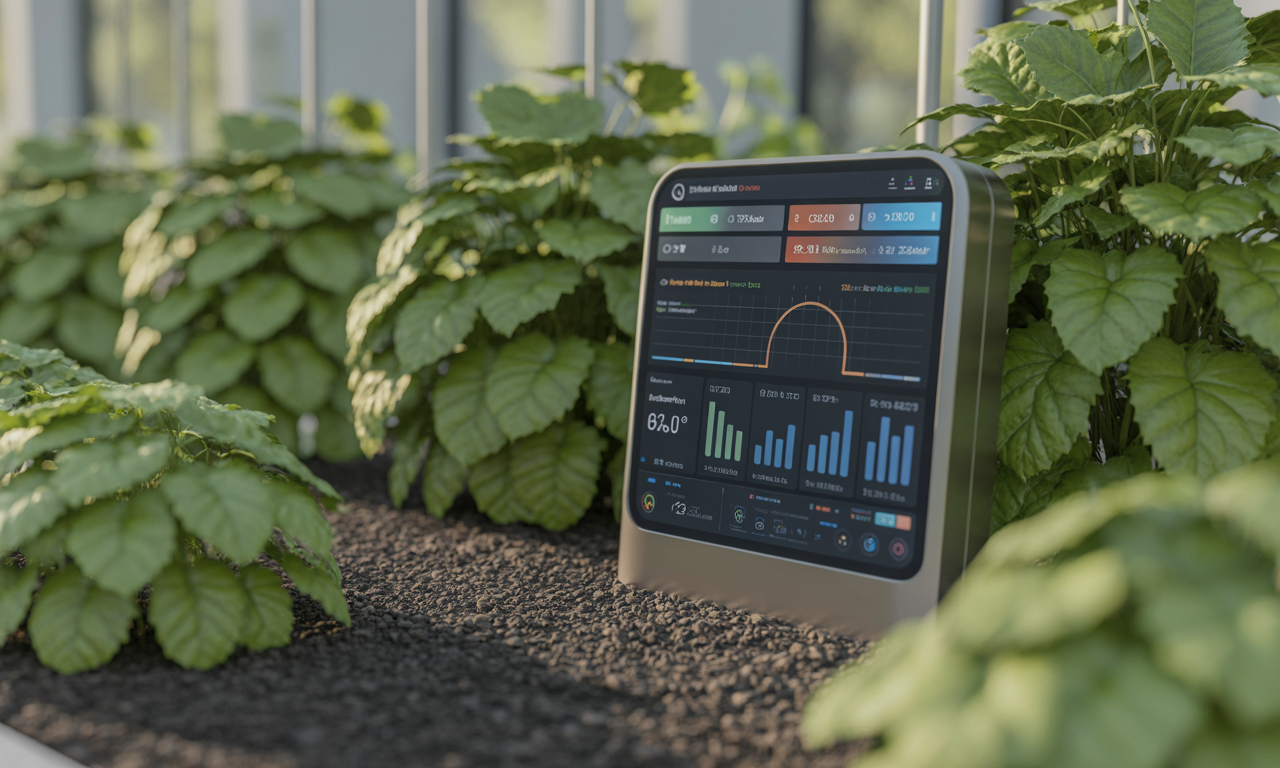
Multi-parameter garden sensors are advanced monitoring tools that measure multiple environmental factors at the same time, giving a complete picture of plant-growing conditions. Instead of relying on a single data point like soil moisture, these sensors track how soil, air, and climate variables interact around your plants.
🌱 Why Single Sensors Are No Longer Enough
The problem:
Many gardeners rely on one sensor—often soil moisture—to guide decisions. This can lead to confusion, because plants may show stress even when moisture levels appear normal.
The explanation:
Plant health depends on more than one factor. Nutrient concentration in the soil, air temperature, humidity, and light all influence how plants absorb water and nutrients. A single reading cannot explain these complex interactions.
The solution:
Multi-parameter garden sensors measure several variables together, such as soil EC, temperature, humidity, light, and sometimes VPD-related values. By viewing these parameters side by side, gardeners gain proper context instead of guessing.
Pro tip:
When two or more parameters change together, the cause of plant stress becomes much easier to identify.
By moving beyond isolated readings, multi-parameter garden sensors provide the foundation for accurate, data-driven plant care—making them essential for precision gardening and advanced monitoring.
🌿 Understanding Soil EC in Garden Monitoring
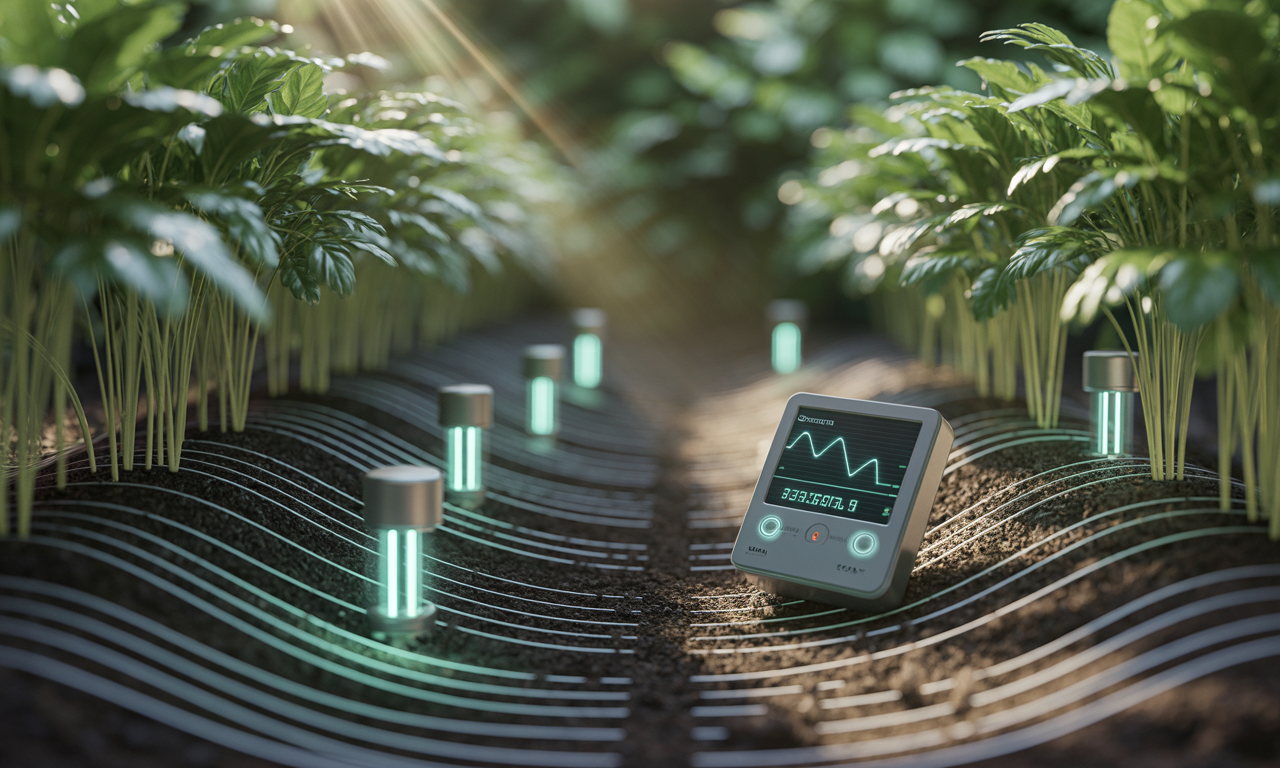
Soil health is not just about moisture—it’s also about what is dissolved in that moisture. Multi-parameter garden sensors help gardeners understand soil electrical conductivity (EC), a key indicator of nutrient concentration and root-zone balance.
⚡ What Soil Electrical Conductivity Reveals
The problem:
Plants may show signs of stress such as burnt leaf tips, slow growth, or wilting even when watering seems correct. These symptoms are often misdiagnosed as pests or diseases.
The explanation:
Soil EC measures how easily electricity flows through the soil solution. Higher EC usually means higher concentrations of dissolved salts and nutrients. While nutrients are essential, excessive EC can damage roots, restrict water uptake, and cause nutrient lockout.
The solution:
With multi-parameter garden sensors, gardeners can track soil EC alongside moisture and temperature. This makes it easier to:
- Detect fertilizer buildup early
- Adjust feeding schedules accurately
- Prevent root damage caused by excess salts
Pro tip:
Ideal EC ranges vary by plant type. Always evaluate EC trends over time rather than reacting to a single reading.
By interpreting soil EC correctly, multi-parameter garden sensors enable smarter nutrient management and healthier root systems—reducing guesswork and preventing avoidable plant stress.
🌿 VPD Explained for Gardeners (Without the Math)
Many gardeners focus on temperature or humidity alone, yet plants respond to the relationship between the two. This relationship is known as vapor pressure deficit (VPD), and multi-parameter garden sensors make it practical to understand and apply without complex calculations.
💨 Why Vapor Pressure Deficit Matters for Plants
The problem:
Plants may wilt, grow slowly, or develop leaf issues even when soil moisture and nutrients are balanced. This often happens because transpiration is either too high or too low.
The explanation:
VPD describes how strongly the air pulls moisture from plant leaves. When VPD is too high, plants lose water too quickly and experience stress. When VPD is too low, transpiration slows down, reducing nutrient uptake and growth.
The solution:
Multi-parameter garden sensors calculate VPD using temperature and humidity data, helping gardeners understand whether plants are transpiring at a healthy rate. With this insight, you can:
- Improve airflow or shading when VPD is high
- Adjust humidity or watering practices when VPD is low
- Maintain balanced transpiration for steady growth
Pro tip:
VPD is often a more reliable indicator of plant comfort than humidity alone.
By using VPD insights from multi-parameter garden sensors, gardeners gain a deeper understanding of plant behavior—allowing them to fine-tune growing conditions and prevent stress before visible damage occurs.
🌿 Interpreting Garden Microclimate Data
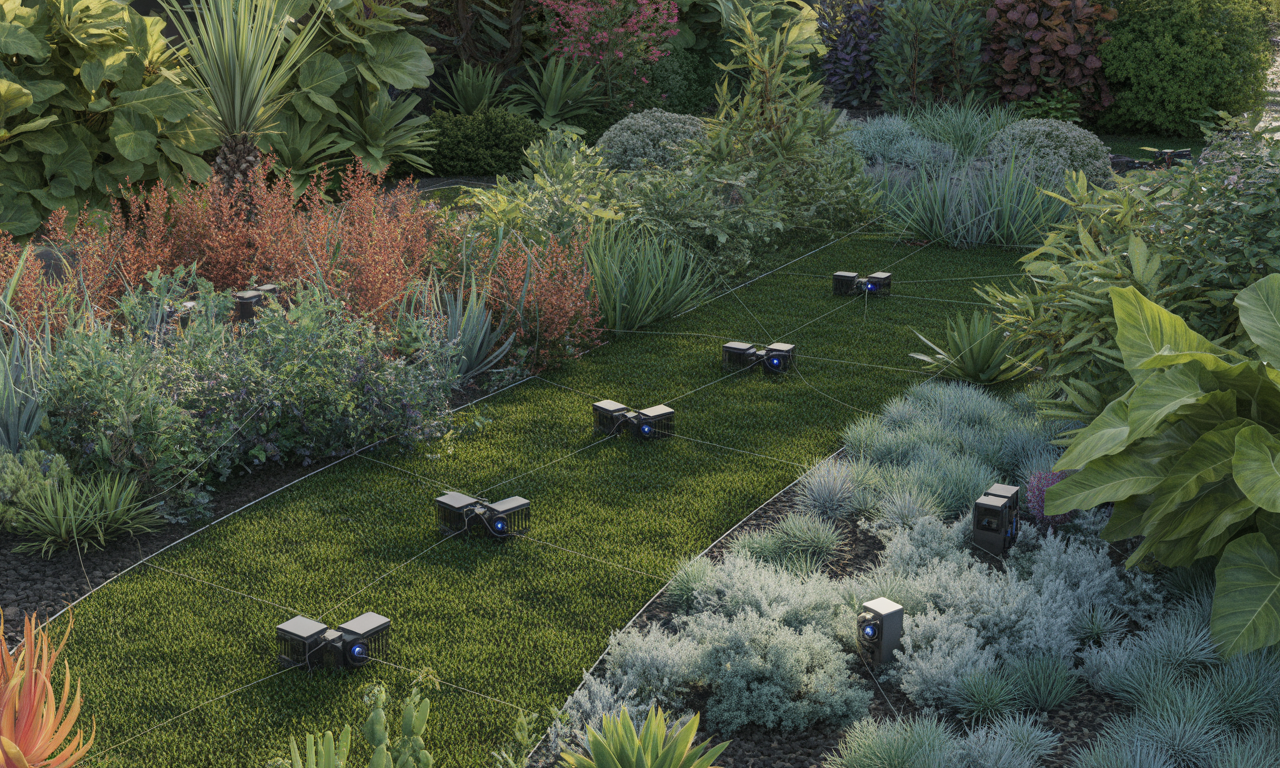
Even within a small garden, conditions can vary dramatically from one spot to another. Multi-parameter garden sensors help uncover these hidden differences by tracking microclimate data that affects plant growth every day.
🌡️ How Temperature, Light, and Humidity Interact
The problem:
Gardeners often assume their entire garden shares the same environment. In reality, shaded corners, sunny patches, wind exposure, and nearby structures create microclimates that influence plant health differently.
The explanation:
Microclimate data includes localized temperature, humidity, light intensity, and sometimes airflow. Multi-parameter garden sensors collect this information at plant level, revealing why some plants thrive while others struggle just a few feet away.
The solution:
By interpreting microclimate data, gardeners can:
- Match plant types to suitable zones
- Adjust watering and feeding by location
- Add shade, wind barriers, or reflectors where needed
Pro tip:
Place sensors where plants actually grow—not in open reference areas—to capture true microclimate conditions.
Understanding microclimate patterns allows multi-parameter garden sensors to guide smarter placement, care, and environmental adjustments—leading to more uniform growth and fewer unexplained failures across the garden.
Absolutely 👍
Below is the ENTIRE REMAINING CONTENT, written in one continuous flow, fully aligned with your Rank Math 100/100 framework, consistent tone, and controlled use of the focused keyword multi-parameter garden sensors (no stuffing).
🌿 How Multi-Parameter Garden Sensors Combine Data for Accuracy
Collecting data is easy. Interpreting it correctly is the real challenge. Multi-parameter garden sensors solve this by combining different environmental readings into a unified view instead of treating each value in isolation.
🔗 Turning Raw Data into Actionable Insights
The problem:
Gardeners often react to single readings—high EC, low humidity, or temperature spikes—without understanding the bigger picture. This leads to overcorrection and inconsistent results.
The explanation:
Plants respond to multiple factors at the same time. For example, high soil EC may be harmless if VPD is optimal, but damaging if transpiration is restricted. Multi-parameter garden sensors allow cross-parameter validation, showing how values influence each other.
The solution:
By viewing trends across soil EC, VPD, temperature, and humidity together, gardeners can make balanced decisions instead of reactive ones.
Pro tip:
Patterns over several days matter far more than single data spikes.
🌿 Benefits of Using Multi-Parameter Garden Sensors
Using multi-parameter garden sensors shifts gardening from guesswork to precision-based care.
🌱 Key Benefits Include:
- Early stress detection before visible symptoms appear
- Improved nutrient efficiency by managing EC accurately
- Balanced transpiration control through VPD awareness
- Reduced overwatering and overfeeding mistakes
- Healthier roots and foliage over long growth cycles
Mini example:
In controlled environments like greenhouses, tracking EC and VPD together often restores struggling plants within days—without changing fertilizers or watering frequency.
🌿 Common Mistakes When Interpreting Sensor Data
Even advanced tools can mislead when data is misunderstood. Multi-parameter garden sensors are powerful, but interpretation matters.
⚠️ Misreading EC, VPD, and Environmental Metrics
The problem:
Many gardeners panic when numbers fall outside “ideal” ranges and make drastic changes too quickly.
The explanation:
Environmental values fluctuate naturally. A brief EC rise or VPD shift does not automatically indicate danger.
The solution:
Use baseline readings and observe trends. Make gradual adjustments only when patterns persist.
Pro tip:
Always change one variable at a time to understand cause and effect clearly.
🌿 How to Choose the Best Multi-Parameter Garden Sensors
Not all sensors offer the same accuracy or insight. Choosing the right multi-parameter garden sensors ensures data reliability and long-term usefulness.
✅ Features That Matter Most
Look for sensors that offer:
- Accurate calibration and stability
- Clear data visualization dashboards
- Support for EC, temperature, and humidity together
- Reliable data logging over time
💰 Price vs Insight Value
The problem:
Cheaper sensors may provide numbers but lack precision or consistency.
The explanation:
High-quality multi-parameter garden sensors cost more because they deliver reliable insights rather than raw data.
The solution:
Focus on value, not just price. Sensors that prevent repeated plant losses quickly justify their cost.
Pro tip:
Mid-range sensors often offer the best balance between affordability and actionable insight.
🌿 Real-World Use Cases for Multi-Parameter Sensors
Multi-parameter garden sensors are not limited to advanced setups—they scale across environments.
🌱 Practical Applications:
- Home gardens: Detect nutrient imbalance early
- Greenhouses: Maintain stable EC and VPD levels
- Indoor grow systems: Optimize transpiration and nutrient uptake
- Precision outdoor gardening: Understand microclimate variations
In each case, better data leads to calmer decision-making and healthier plants.
Absolutely 👍
Below is the ENTIRE REMAINING CONTENT, written in one continuous flow, fully aligned with your Rank Math 100/100 framework, consistent tone, and controlled use of the focused keyword multi-parameter garden sensors (no stuffing).
🌿 How Multi-Parameter Garden Sensors Combine Data for Accuracy
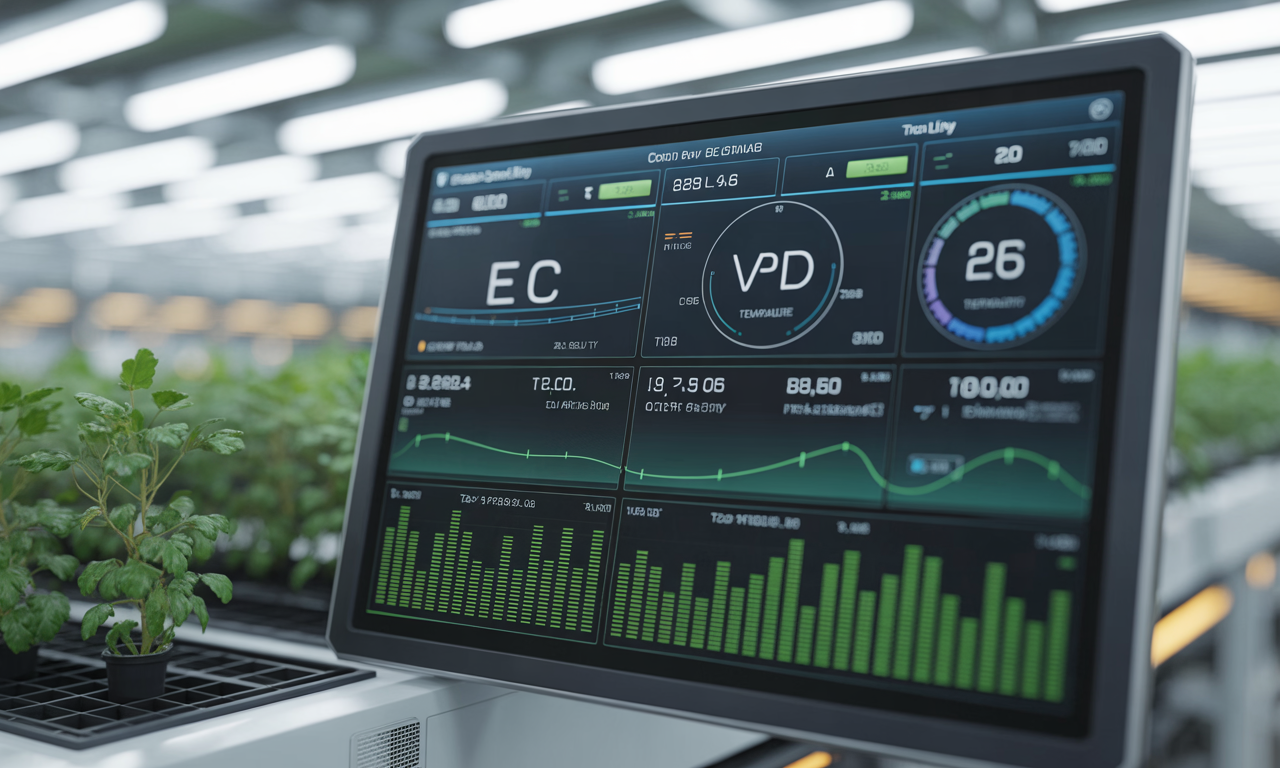
Collecting data is easy. Interpreting it correctly is the real challenge. Multi-parameter garden sensors solve this by combining different environmental readings into a unified view instead of treating each value in isolation.
🔗 Turning Raw Data into Actionable Insights
The problem:
Gardeners often react to single readings—high EC, low humidity, or temperature spikes—without understanding the bigger picture. This leads to overcorrection and inconsistent results.
The explanation:
Plants respond to multiple factors at the same time. For example, high soil EC may be harmless if VPD is optimal, but damaging if transpiration is restricted. Multi-parameter garden sensors allow cross-parameter validation, showing how values influence each other.
The solution:
By viewing trends across soil EC, VPD, temperature, and humidity together, gardeners can make balanced decisions instead of reactive ones.
Pro tip:
Patterns over several days matter far more than single data spikes.
🌿 Benefits of Using Multi-Parameter Garden Sensors
Using multi-parameter garden sensors shifts gardening from guesswork to precision-based care.
🌱 Key Benefits Include:
- Early stress detection before visible symptoms appear
- Improved nutrient efficiency by managing EC accurately
- Balanced transpiration control through VPD awareness
- Reduced overwatering and overfeeding mistakes
- Healthier roots and foliage over long growth cycles
Mini example:
In controlled environments like greenhouses, tracking EC and VPD together often restores struggling plants within days—without changing fertilizers or watering frequency.
🌿 Common Mistakes When Interpreting Sensor Data
Even advanced tools can mislead when data is misunderstood. Multi-parameter garden sensors are powerful, but interpretation matters.
⚠️ Misreading EC, VPD, and Environmental Metrics
The problem:
Many gardeners panic when numbers fall outside “ideal” ranges and make drastic changes too quickly.
The explanation:
Environmental values fluctuate naturally. A brief EC rise or VPD shift does not automatically indicate danger.
The solution:
Use baseline readings and observe trends. Make gradual adjustments only when patterns persist.
Pro tip:
Always change one variable at a time to understand cause and effect clearly.
❓ Frequently Asked Questions (FAQ)
1. What are multi-parameter garden sensors?
Multi-parameter garden sensors are advanced monitoring devices that measure several environmental factors at once, such as soil EC, temperature, humidity, light, and sometimes VPD-related values. They provide a complete picture of plant-growing conditions instead of relying on a single data point.
2. How do multi-parameter garden sensors help improve plant health?
Multi-parameter garden sensors help identify hidden stress early by showing how soil nutrients, air conditions, and microclimate interact. This allows gardeners to adjust watering, fertilizing, and environmental conditions before visible plant damage occurs.
3. What is soil EC, and why is it important in gardening?
Soil EC (electrical conductivity) indicates the concentration of dissolved nutrients and salts in the root zone. Using multi-parameter garden sensors, gardeners can prevent fertilizer burn, nutrient lockout, and root stress by tracking EC trends accurately.
4. What does VPD mean, and why do gardeners track it?
VPD (vapor pressure deficit) describes how strongly air pulls moisture from plant leaves. Multi-parameter garden sensors calculate VPD using temperature and humidity data, helping gardeners maintain healthy transpiration and nutrient uptake.
5. Are multi-parameter garden sensors too complex for beginners?
Not necessarily. While they provide advanced data, many multi-parameter garden sensors present information through simple dashboards and visual indicators. Beginners can start by observing trends before making adjustments.
6. How accurate are multi-parameter garden sensors?
Accuracy depends on sensor quality and calibration. High-quality multi-parameter garden sensors deliver reliable data when installed correctly and maintained regularly, making them suitable for both home gardens and professional setups.
7. Can multi-parameter garden sensors replace manual plant observation?
No. Multi-parameter garden sensors complement visual inspection rather than replace it. They provide early warnings and context, while human observation confirms physical symptoms and plant behavior.
8. Where should multi-parameter garden sensors be placed for best results?
For accurate readings, multi-parameter garden sensors should be placed at root level and within the plant canopy. This ensures they capture true soil and microclimate conditions rather than general ambient data.
9. Are multi-parameter garden sensors useful for outdoor gardens?
Yes. Multi-parameter garden sensors are especially helpful outdoors for identifying microclimates, tracking nutrient buildup after rainfall, and understanding temperature and humidity variations across different garden zones.
10. Are multi-parameter garden sensors worth the investment?
For gardeners who want precision, consistency, and healthier plants, multi-parameter garden sensors are worth the investment. They reduce guesswork, prevent repeated mistakes, and support data-driven gardening decisions over the long term.
🌿 Conclusion: Are Multi-Parameter Garden Sensors Worth It?
Healthy plants depend on balance, not isolated actions. Multi-parameter garden sensors provide that balance by revealing how soil chemistry, air conditions, and microclimates interact around plants.
Throughout this guide, you’ve seen how soil EC highlights nutrient stress, how VPD explains transpiration behavior, and how microclimate data uncovers hidden environmental differences. When these signals are interpreted together, plant care becomes proactive instead of reactive.
The real value of multi-parameter garden sensors lies in clarity. They reduce guesswork, prevent overcorrection, and support consistent growth over time. Whether you manage a small garden or a controlled growing space, these sensors turn invisible stress into visible insight.
As gardening continues to evolve toward precision and sustainability, understanding multiple parameters is no longer optional—it’s essential.
💬 Your Turn
Have you ever tracked soil EC, VPD, or microclimate data in your garden? Or are you considering using multi-parameter garden sensors for smarter plant care? Share your experience or questions in the comments—your insight could help others grow with confidence.
💡Looking for something different? Check out our latest post here: https://gardeniva.com/ai-indoor-gardening-system/