Discover 7 proven natural pest control remedies that work. Safe, eco-friendly, and chemical-free ways to protect your organic garden in 2025.
- 🌿 Introduction
- 🌱 Why Choose Natural Pest Control Over Chemicals
- 🌼 How Natural Pest Control Remedies Work in Your Garden
- 🌿 7 Proven Natural Pest Control Remedies That Work (2025 Edition)
- 🌱 The Science Behind Natural Pest Resistance
- 🌿 Application Frequency and Safety Tips for Natural Pest Control
- 🌼 Common Mistakes to Avoid When Using Natural Pest Control Remedies
- 🌿 Integrating Natural Pest Control Remedies into Your Organic Gardening System
- 🌎 Environmental Impact of Using Natural Pest Control Remedies
- 🌻 Real-Life Success: How Gardeners Thrive with Natural Pest Control Remedies
- 🌿 Key Takeaways for Every Organic Gardener
- ❓ FAQs
- 🌻 Conclusion & Call to Action
🌿 Introduction
If you’ve ever walked into your garden and found holes in your lettuce, curled leaves on your basil, or ants marching across your raised beds, you know the frustration pests can cause. The good news? You don’t need harsh chemicals to protect your plants — you just need the right natural pest control remedies that work.
For generations, gardeners have relied on nature’s own defenses to keep harmful insects at bay. These methods use safe, organic ingredients found in your kitchen or garden shed — from neem oil and garlic spray to vinegar and compost tea. Each of these natural pest control remedies that work not only repels bugs effectively but also nourishes the soil, strengthens plants, and keeps beneficial insects like bees and ladybugs safe.
As we move into 2025, sustainable gardening is more than just a trend — it’s a responsibility. Toxic pesticides harm pollinators, deplete soil health, and contaminate home-grown produce. By choosing natural pest control remedies that work, you’re protecting your garden ecosystem while enjoying cleaner, healthier harvests.
By the end of this post, you’ll discover seven proven ways to keep bugs away naturally — simple, science-backed, and safe for every organic gardener.
🌱 Why Choose Natural Pest Control Over Chemicals
Modern gardening has reached a turning point. While chemical pesticides promise quick fixes, their long-term effects can be devastating. They strip the soil of its natural microbes, harm pollinators, and even leave toxic residues on your produce. In contrast, the natural pest control remedies that work focus on prevention, balance, and protection — not destruction.
Synthetic pesticides act like antibiotics for plants — killing everything, good or bad. Over time, this leads to “super pests” that resist conventional sprays. That’s why more eco-conscious gardeners are turning toward safer, nature-inspired alternatives. The natural pest control remedies that work leverage plant-based compounds, essential oils, and biological controls that keep pests in check without upsetting the natural harmony of your garden.
🌿 Health and Environmental Benefits
Choosing natural pest control supports both your well-being and the environment. You’re keeping your air, soil, and food free from toxins, while preserving biodiversity in your backyard. Ladybugs, bees, and earthworms — nature’s allies — thrive alongside your crops instead of being wiped out.
Pro Tip: When implementing natural pest control remedies that work, focus on early detection. Regularly inspect your plants for bite marks, leaf discoloration, or sticky residues. The earlier you spot an issue, the easier it is to manage using gentle, eco-friendly solutions.
🌼 How Natural Pest Control Remedies Work in Your Garden
The real magic behind the natural pest control remedies that work lies in how they interact with nature — not against it. Instead of poisoning insects, these remedies rely on plant-based compounds, minerals, and natural oils to repel, deter, or interrupt pests’ life cycles. This approach keeps your garden balanced and your plants strong.
Most natural pest control remedies that work target pests through smell, taste, or texture. For example, neem oil contains azadirachtin, a compound that disrupts insect feeding and reproduction, while garlic and chili sprays overwhelm their scent receptors. Diatomaceous earth, on the other hand, works mechanically — its fine, abrasive texture dehydrates soft-bodied insects without harming plants or humans.
🌱 Natural vs. Chemical: A Quick Comparison
| Aspect | Natural Pest Control Remedies | Chemical Pesticides |
| Toxicity | Non-toxic and plant-safe | Harmful to humans & pollinators |
| Longevity | Breaks down naturally | Leaves long-lasting residues |
| Soil Impact | Improves soil biology | Destroys beneficial microbes |
| Eco Footprint | 100% biodegradable | Pollutes air, water, and soil |
| Effectiveness | Slower but sustainable | Quick but short-lived |
Natural remedies work holistically — strengthening plants while weakening pests. By maintaining soil vitality and attracting beneficial insects, your garden becomes self-defensive over time.
Pro Tip: Always apply the natural pest control remedies that work during early morning or late evening hours to maximize effectiveness while keeping pollinators safe.
🌿 7 Proven Natural Pest Control Remedies That Work (2025 Edition)
These time-tested, eco-friendly solutions are the backbone of every sustainable garden. Each method below is practical, affordable, and completely safe for your soil, plants, and pollinators. The natural pest control remedies that work don’t just eliminate pests — they help your garden flourish organically for years to come.
🌱 1. Neem Oil Spray — Nature’s Ultimate Insect Shield

Neem oil remains one of the most powerful natural pest control remedies that work. Extracted from neem tree seeds, it contains azadirachtin — a compound that disrupts pest feeding and breeding cycles. It’s highly effective against aphids, spider mites, mealybugs, and whiteflies.
How to Use: Mix 1 teaspoon neem oil with 1 liter of water and a few drops of mild soap. Spray the mixture on affected leaves once a week.
Pro Tip: Apply neem oil in the evening to protect beneficial insects like bees and ladybugs.
🍃 2. Garlic & Chili Spray — The Kitchen Power Duo
Garlic and chili are natural deterrents that repel chewing and sap-sucking insects. Their pungent smell and spicy compounds overwhelm pests’ sensory systems, keeping them away without harming the plants. This is one of the simplest natural pest control remedies that work using ingredients already in your kitchen.
How to Use: Blend 10 garlic cloves and 2 chili peppers with 1 liter of water. Let it sit overnight, strain, and spray weekly.
Pro Tip: Alternate between garlic-chili and neem sprays for improved resistance and wider pest coverage.
🪴 3. Vinegar & Soap Solution — Gentle but Powerful
White vinegar, when combined with a mild organic soap, forms a natural degreasing and drying agent that kills aphids, whiteflies, and gnats on contact. Unlike chemical sprays, this mixture leaves no harmful residues.
How to Use: Mix 2 tablespoons of vinegar and 1 teaspoon of soap in 1 liter of water. Spray directly on infested leaves.
Pro Tip: Test on a small leaf before full application — some tender plants may be sensitive to vinegar.
🌼 4. Diatomaceous Earth — The Invisible Pest Barrier
Diatomaceous earth (DE) is a fine powder made from fossilized algae. It acts mechanically, drying out soft-bodied insects like slugs, ants, and caterpillars by damaging their exoskeletons. It’s completely safe for humans, pets, and plants, making it one of the most reliable natural pest control remedies that work.
How to Use: Sprinkle DE lightly on soil and around plant bases. Reapply after rain or heavy watering.
Pro Tip: Always wear a mask while applying to avoid inhaling fine dust particles.
🌿 5. Essential Oils — Fragrant Pest Repellents
Essential oils like peppermint, eucalyptus, and rosemary repel mosquitoes, aphids, and beetles through strong aromatic compounds. These oils mask plant scents that attract pests.
How to Use: Mix 10 drops of essential oil in 500 ml of water with a teaspoon of mild soap. Spray evenly on leaves.
Pro Tip: Peppermint oil also helps deter ants and mice from your garden paths.
🌻 6. Companion Planting — Let Nature Protect Itself
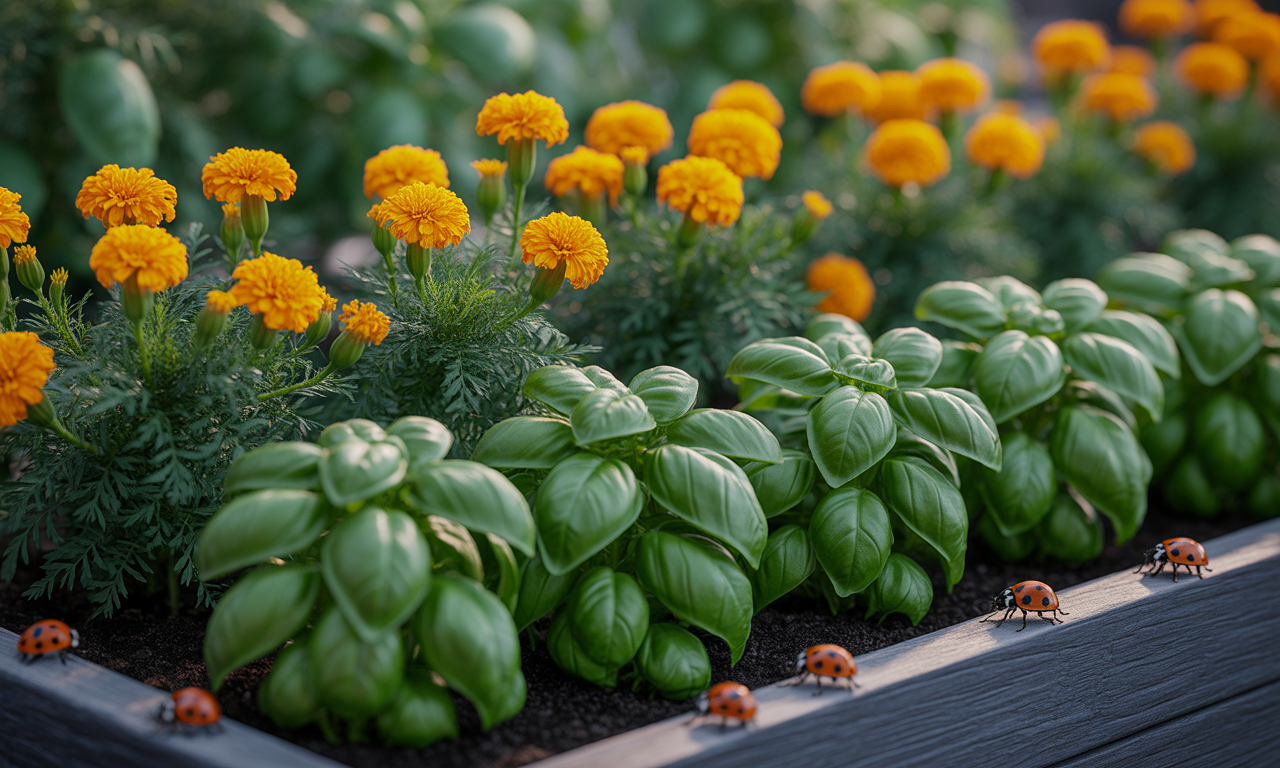
This is one of the most holistic natural pest control remedies that work. By planting pest-repelling herbs like basil, mint, and marigold near vegetables, you naturally deter harmful insects. At the same time, you attract pollinators that boost yield.
Examples:
- Marigold → Repels nematodes
- Basil → Keeps mosquitoes away
- Mint → Wards off ants and beetles
Pro Tip: Rotate your companion plants every season to maintain strong pest resistance.
🌾 7. Compost Tea — Strengthen Plants from the Inside Out
Strong plants naturally resist pests. Compost tea feeds beneficial microbes that improve soil health and plant immunity. While not a pesticide per se, it’s one of the natural pest control remedies that work by enhancing natural defense systems.
How to Use: Steep mature compost in aerated water for 24 hours, strain, and spray weekly.
Pro Tip: Use compost from organic matter only — avoid meat or oily waste to prevent contamination.
Together, these seven natural pest control remedies that work form a complete, sustainable defense strategy. They don’t just repel pests — they nurture your garden’s health, biodiversity, and balance.
🌱 The Science Behind Natural Pest Resistance
The effectiveness of the natural pest control remedies that work lies in their ability to harmonize with plant biology and ecological balance. Instead of killing pests outright, these remedies disrupt feeding, reproduction, and scent recognition — essential behaviors that insects rely on to survive. Many of these organic substances also strengthen plant cells, making them more resilient to future attacks.
Neem oil, for example, contains azadirachtin, which acts as a growth regulator for insects. It stops larvae from maturing into adults, effectively breaking the pest life cycle. Garlic and chili sprays rely on allicin and capsaicin — compounds known to overwhelm insect nervous systems and deter feeding behavior. Meanwhile, essential oils like peppermint or eucalyptus work through olfactory confusion, masking the scent that attracts pests to your plants.
The natural pest control remedies that work not only repel pests but also enhance soil and plant vitality. Compost teas and organic foliar sprays increase beneficial microbial activity, which improves nutrient uptake and boosts natural immunity. Over time, this creates a self-sustaining garden ecosystem where pests become minimal, and plants grow stronger without constant human intervention.
Pro Tip: Combine scent-based repellents (like essential oils) with nutrient-based enhancers (like compost tea) for a dual-action pest prevention strategy that works both above and below the soil.
🌿 Application Frequency and Safety Tips for Natural Pest Control
Applying the natural pest control remedies that work correctly is just as important as choosing the right ones. Unlike harsh pesticides, natural methods require consistency and observation rather than brute force. They work gradually, reinforcing your garden’s ecosystem with every use. Regular application ensures pests are deterred while maintaining harmony with beneficial insects.
When using sprays like neem, garlic-chili, or vinegar solutions, apply them once every 5–7 days during active infestation. For preventive care, once every two weeks is sufficient. Always apply the natural pest control remedies that work early in the morning or late in the evening to avoid sunburn on plant leaves and to keep pollinators safe. Compost teas, on the other hand, can be applied weekly as a foliar spray to boost plant immunity and discourage fungal growth.
Safety is a core part of organic pest control. Even though these remedies are natural, they should be handled responsibly. Always test sprays on a small portion of a plant before full application to ensure no leaf sensitivity occurs. Avoid overuse — excessive spraying can disrupt your garden’s natural predator-prey balance.
| Remedy Type | Frequency | Application Time | Safe For | Special Notes |
| Neem Oil Spray | Weekly | Evening | Most edible crops | Avoid overuse during bloom |
| Garlic-Chili Spray | Weekly | Early morning | Leafy vegetables | Rotate with other sprays |
| Vinegar & Soap | As needed | Evening | Hardy plants | Avoid tender leaves |
| Compost Tea | Weekly | Anytime | All plants | Do not over-ferment |
| Essential Oils | Bi-weekly | Evening | Indoor & outdoor | Use diluted solutions |
Pro Tip: For the best results, keep a simple garden log tracking which natural pest control remedies that work you used, when you applied them, and what results followed. Over time, you’ll identify the most effective combinations for your specific environment.
🌼 Common Mistakes to Avoid When Using Natural Pest Control Remedies
Even though the natural pest control remedies that work are safe, effective, and eco-friendly, many gardeners unintentionally reduce their effectiveness through small yet critical mistakes. Understanding what not to do ensures that every drop of your natural spray, oil blend, or compost tea truly delivers results.
One common mistake is overapplication. Many believe that using more spray equals faster results, but that’s rarely true. Applying too much neem oil or vinegar solution can clog plant pores or burn delicate leaves. The natural pest control remedies that work depend on consistency rather than intensity — steady use over time strengthens plant resistance without harming them.
Another issue is improper timing. Spraying during peak sunlight can lead to leaf scorch, while spraying during windy conditions wastes the mixture and risks hitting beneficial insects. For best results, apply the natural pest control remedies that work early in the morning or evening when the air is calm and the temperature is moderate.
Gardeners also often ignore pest identification. Not all bugs are enemies. Ladybugs, lacewings, and praying mantises are natural allies that consume harmful pests. Before spraying, check your plants carefully and make sure you’re targeting the right culprits. The most effective natural pest control remedies that work complement nature, not fight it blindly.
Lastly, many skip routine monitoring. Organic pest control is an ongoing process that requires observation and adjustment. By keeping a pest log, noting which remedies worked best, and rotating solutions seasonally, you ensure your garden remains balanced, pest-resistant, and full of life.
Pro Tip: Always rotate between at least three different natural pest control remedies that work throughout the growing season. This prevents pest adaptation and keeps your plants naturally resilient year-round.
🌿 Integrating Natural Pest Control Remedies into Your Organic Gardening System

To get the full benefit of the natural pest control remedies that work, they must be woven seamlessly into your overall organic gardening routine. When paired with composting, crop rotation, and companion planting, these remedies transform your garden into a self-sustaining ecosystem where nature manages balance on its own.
Start with soil health — the foundation of every thriving garden. Healthy soil produces strong plants that naturally resist pests. Regularly feed your beds with compost, mulch, and worm castings to build rich, microbe-filled soil. Combine this with foliar sprays like compost tea and neem oil; both strengthen plant immunity and deter insects. This balanced approach multiplies the effectiveness of the natural pest control remedies that work over time.
Next, incorporate companion planting as part of your pest control strategy. Herbs like basil, rosemary, and mint naturally repel pests, while flowers like marigolds and nasturtiums attract beneficial pollinators. These companion plants support the natural pest control remedies that work by forming a botanical defense barrier that keeps your crops safe and thriving.
Integrating natural pest control into raised bed gardening is another powerful method. Raised beds make it easier to monitor pest activity and apply remedies efficiently without waste. They also improve drainage and limit pest hiding spots in dense soil.
Finally, encourage biodiversity. Introduce ladybugs, lacewings, and predatory nematodes into your garden. These beneficial species are living pest control agents that enhance the results of the natural pest control remedies that work without disturbing your organic harmony.
Pro Tip: Think of your garden as a living community — every plant, insect, and microbe plays a role. The more diverse your garden, the more effective your natural pest control remedies that work will become season after season.
🌎 Environmental Impact of Using Natural Pest Control Remedies
When you commit to using the natural pest control remedies that work, you’re not only protecting your garden — you’re healing the planet in small but meaningful ways. Every spray you make from garlic, neem, or compost tea helps replace synthetic pesticides that pollute soil and water systems. These eco-friendly approaches form the foundation of a sustainable gardening movement that benefits both people and the environment.
Unlike chemical pesticides, which leach into the ground and poison beneficial insects, the natural pest control remedies that work break down quickly and leave no harmful residues. This means your soil retains its structure, fertility, and microbial life — the essential ingredients for long-term plant health. Natural solutions promote biodiversity, giving pollinators like bees and butterflies a safe habitat while keeping pest populations balanced.
Another major environmental advantage of the natural pest control remedies that work is reduced carbon footprint. Most of these ingredients — such as garlic, essential oils, or compost — come from renewable, locally available sources. This cuts transportation emissions and reduces packaging waste associated with store-bought pesticides.
By choosing these remedies, you also support regenerative farming principles. When communities adopt these methods collectively, they restore natural ecosystems, revive soil fertility, and reduce dependency on harmful chemicals. This creates cleaner food, safer air, and healthier waterways.
Pro Tip: Save your used garlic skins, citrus peels, and onion waste to craft DIY sprays instead of throwing them away. It’s one of the simplest ways to recycle organic matter while applying the natural pest control remedies that work effectively — closing the loop of sustainability right in your backyard.
🌻 Real-Life Success: How Gardeners Thrive with Natural Pest Control Remedies
Across the world, more gardeners are proving that the natural pest control remedies that work can outperform chemical pesticides when used consistently and strategically. These real-life examples demonstrate that nature already provides all the tools needed for a thriving, pest-free garden — no toxins required.
Take Maria Lopez from California, for instance. She replaced chemical sprays with neem oil and compost tea in her urban balcony garden. Within just a month, she noticed healthier tomato plants, shinier leaves, and a dramatic reduction in aphids. By rotating different natural pest control remedies that work, Maria built an ecosystem that now maintains its own balance — no re-infestations, no chemicals, and no wasted water.
In another example, Ravi Menon, an organic farmer in India, combined garlic-chili sprays with marigold companion planting to protect his okra fields. Not only did he see a 60% reduction in pest attacks, but his yield also increased by 25%. His farm became a model for others seeking cost-effective, toxin-free methods.
Even small home gardeners like Sarah and Dan in the UK use vinegar sprays and diatomaceous earth to maintain their raised beds naturally. Their method aligns perfectly with the philosophy behind the natural pest control remedies that work — harmony instead of hostility.
| Gardener | Remedies Used | Results | Location |
| Maria Lopez | Neem Oil + Compost Tea | Aphid-free & healthier leaves | USA |
| Ravi Menon | Garlic-Chili Spray + Marigolds | 60% fewer pests, higher yield | India |
| Sarah & Dan | Vinegar Spray + DE | Pest-free raised beds | UK |
Pro Tip: Start small — pick two or three of the natural pest control remedies that work and track your progress for a month. You’ll soon notice fewer pests, stronger plants, and a more vibrant, balanced garden ecosystem.
🌿 Key Takeaways for Every Organic Gardener
Mastering the natural pest control remedies that work isn’t about complexity — it’s about consistency, observation, and respect for your garden’s natural rhythm. When you use organic methods instead of chemicals, you nurture a living ecosystem that defends itself, heals itself, and rewards you with cleaner, healthier produce year after year.
The first takeaway is prevention over reaction. Healthy soil and strong plants naturally resist pest infestations. Regular composting, mulching, and companion planting create a balanced environment where pests rarely become a problem. When issues arise, applying the natural pest control remedies that work early ensures fast, safe results without harming beneficial organisms.
Second, rotation and diversity matter. Just as crop rotation preserves soil nutrients, alternating between neem oil, garlic spray, and vinegar solutions prevents pests from adapting to one method. This keeps your garden’s defense system dynamic and effective throughout the seasons.
Finally, remember that the natural pest control remedies that work support your entire garden ecosystem — from earthworms to pollinators. They improve soil quality, conserve water, and promote biodiversity. The outcome isn’t just pest-free plants but a thriving microcosm of life that sustains itself naturally.
Pro Tip: Document your successes and failures each season. By building your own eco-friendly gardening log, you’ll refine how and when to apply the natural pest control remedies that work — eventually turning your home garden into a sustainable sanctuary of health and abundance.
❓ FAQs
Q1. What are the most effective natural pest control remedies that work?
The most effective natural pest control remedies that work include neem oil spray, garlic-chili mix, diatomaceous earth, essential oils, and compost tea — all proven to deter pests safely and naturally.
Q2. Are natural pest control remedies safe for edible plants?
Yes. Most natural pest control remedies that work are made from food-safe ingredients like garlic, vinegar, and neem oil. They leave no harmful residues on edible crops.
Q3. How often should I apply natural pest control remedies?
For best results, apply natural pest control remedies that work weekly during active pest seasons and biweekly for preventive care. Reapply after rain or heavy watering.
Q4. Can these remedies harm beneficial insects like bees or ladybugs?
No. When applied correctly (early morning or evening), natural pest control remedies that work won’t harm pollinators or friendly insects.
Q5. Do I need special tools to use natural pest control remedies?
Not at all. A simple spray bottle, strainer, and measuring cup are enough to apply most natural pest control remedies that work effectively at home.
Q6. Can natural remedies eliminate pests completely?
They help manage pests sustainably rather than eradicating them completely. Over time, natural pest control remedies that work establish a balanced ecosystem where harmful bugs stay under control.
Q7. Are natural pest control remedies effective for indoor plants?
Absolutely. Indoor plants also benefit from natural pest control remedies that work, especially gentle sprays made from neem oil or essential oils.
🌻 Conclusion & Call to Action
Pest-free gardening doesn’t require chemicals — it requires awareness, patience, and the right techniques. The natural pest control remedies that work provide a sustainable path to protecting your plants while keeping your soil, air, and food clean. From neem oil to compost tea, every natural method you adopt brings your garden closer to harmony with the environment.
By embracing these simple remedies, you’re not only saving your plants — you’re also contributing to a healthier planet. Remember, consistency is key: the more you nurture your soil and biodiversity, the less you’ll ever need to fight pests again.Now it’s your turn — which of these natural pest control remedies that work will you try first? Share your experience in the comments or tag #Gardeniva on social media to inspire more gardeners to grow naturally and sustainably.
💡Looking for something different? Check out our latest post here: https://gardeniva.com/eco-friendly-raised-bed-kits-for-organic-gardens/