
Learn how to identify and fix the most common plant problem signs like yellow leaves, droopy stems, and brown tips. Keep your plants thriving with these easy tips!
- 🌱 Introduction — When Your Plants Try to Tell You Something
- 🌿 The Language of Plants: Understanding Their Signals
- 🍃 Sign #1: Yellow Leaves — The Classic Distress Signal
- 💧 Sign #2: Droopy Plant Stems — The Silent Plea for Balance
- 🔥 Sign #3: Brown Tips & Crispy Edges — The Burnout Effect
- 🌱 Sign #4: Slow Growth & Pale Leaves — The Silent Nutrient Cry
- 🍃 Sign #5: Leaf Curling — The Hidden Defense Mechanism
- 🍄 Sign #6: Moldy Soil or Fungus — The Hidden Warning Beneath the Surface
- 🪴 Sign #7: Wilting After Repotting — The Transplant Shock Story
- ❓ FAQ (Schema Enabled)
- 💬 Conclusion & Call to Action
🌱 Introduction — When Your Plants Try to Tell You Something
Have you ever looked at your once-thriving plant and noticed yellow leaves or droopy stems? It can feel disheartening — almost like your plants are crying for help but you can’t understand what they’re saying. The truth is, every garden whisper, leaf curl, or color change is part of a language that reveals what’s really happening inside your plants. These visible clues are what gardeners call plant problem signs, and learning to interpret them can completely transform the way you care for your greens.
Ignoring early plant problem signs often leads to more serious issues — from root rot to nutrient deficiencies — but the good news is that these symptoms appear before major damage occurs. All you need is a little observation and a structured approach to understand what your plants are trying to communicate.
In this guide, we’ll decode seven proven plant problem signs that every gardener should recognize — from yellowing leaves and drooping stems to brown tips and curling edges. By the end, you’ll know exactly what your plants are saying and how to fix each problem with simple, effective solutions. 🌿
🌿 The Language of Plants: Understanding Their Signals
Plants may not speak our language, but they communicate constantly through color, shape, and movement. When leaves yellow, stems droop, or growth slows, these are nature’s messages waiting to be decoded. Every one of these subtle changes is part of a universal system known to gardeners as plant problem signs — a living feedback loop that reveals exactly what your green companions need to survive and thrive.
Most new gardeners mistake plant problem signs for random or cosmetic issues, but they’re actually early warnings. A plant with pale leaves may be starved for nitrogen; one with limp stems may be suffocating from overwatering. By learning to observe and interpret these clues, you begin to think like a gardener — not reacting, but responding wisely to your plant’s needs.
Light, water, nutrients, humidity, and temperature all influence how plant problem signs appear. For example, too little sunlight can mimic nutrient deficiency, while poor drainage can imitate dehydration. Once you understand this cause-and-effect cycle, every yellow leaf or curled tip becomes a clue instead of a mystery.
🌼 Pro Tip:
Keep a small “symptom journal” for your garden. Note when and where each issue appears. Over time, you’ll notice patterns that make decoding plant problem signs second nature — turning confusion into clarity.
🍃 Sign #1: Yellow Leaves — The Classic Distress Signal
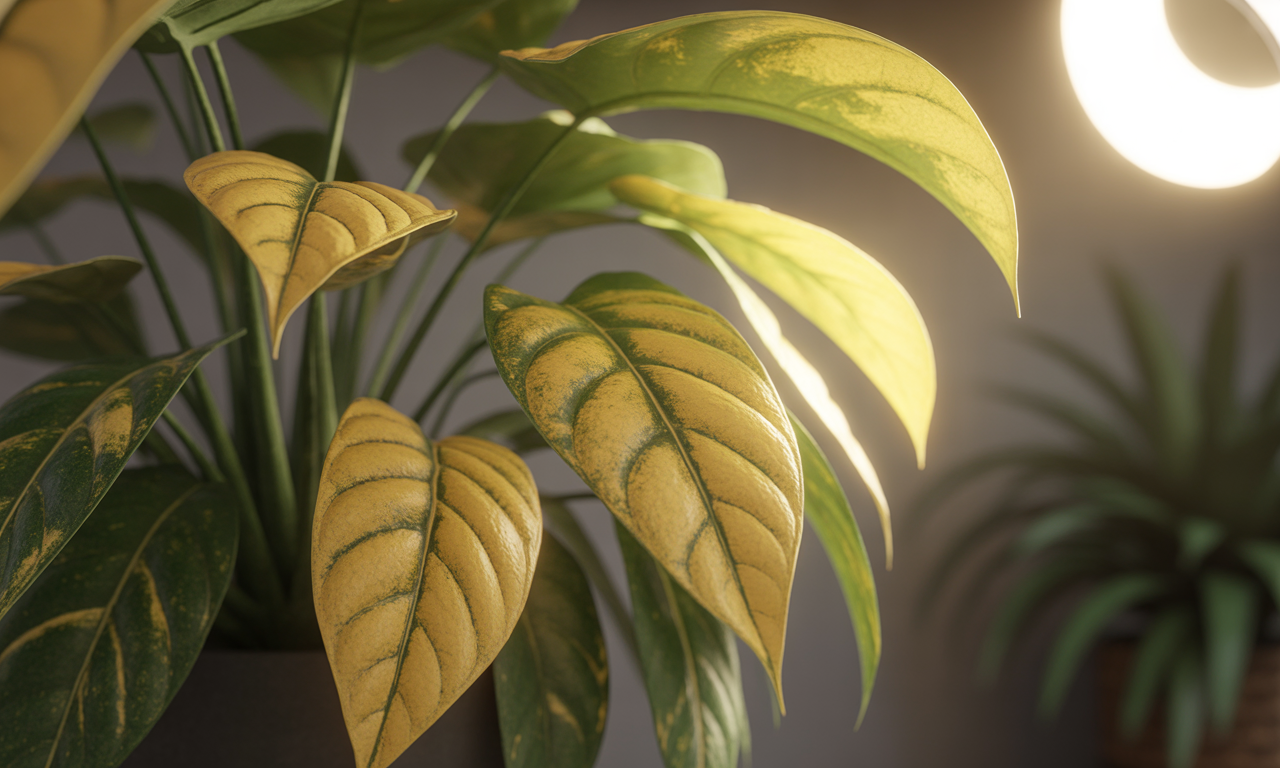
Few plant problem signs are as instantly recognizable as yellowing leaves. This common symptom often sparks worry among gardeners — and for good reason. Yellow leaves are your plant’s way of saying something isn’t right, but the real cause may vary depending on which part of the plant is affected and how quickly the color changes.
When older leaves turn yellow first, it usually points to nutrient deficiency, especially nitrogen. If newer leaves are yellowing, the issue could be iron or magnesium deficiency. Sometimes, however, it’s not about nutrients at all — it’s about water imbalance. Overwatering suffocates roots, while underwatering dehydrates cells, both leading to chlorophyll breakdown and that telltale yellow hue.
The key is to observe where and how the yellowing occurs. Combine these visual clues with other plant problem signs like leaf curling, drooping stems, or pale veins for an accurate diagnosis.
🌱 Solutions:
- Check soil moisture before watering — the top inch should be slightly dry.
- Add a balanced, nitrogen-rich organic fertilizer if leaves pale evenly.
- Ensure your pot or garden bed drains well to prevent root suffocation.
🌼 Pro Tip:
If yellowing spreads upward or across multiple plants, flush the soil with clean water to remove excess salts, then apply compost tea. Early attention to such plant problem signs prevents long-term nutrient lockout and helps restore vibrant green growth quickly.
💧 Sign #2: Droopy Plant Stems — The Silent Plea for Balance
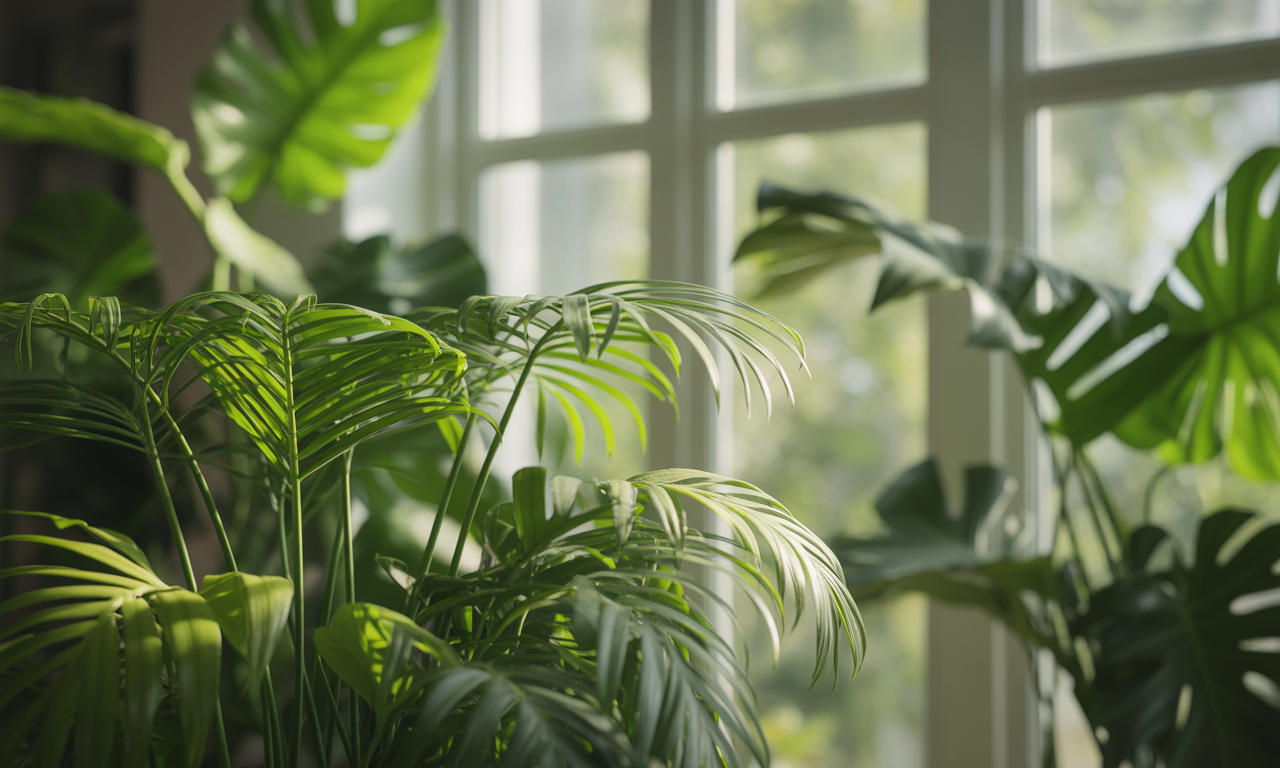
When your once-upright plants begin to slump or fold, they’re showing one of the most expressive plant problem signs — droopy stems. Many gardeners instinctively grab the watering can, assuming the plant is thirsty. However, drooping can mean several different things depending on what’s happening beneath the soil surface.
The most common reason for drooping is water imbalance. When roots are too dry, cells lose turgor pressure, causing the stems to wilt. But overwatering can produce the same symptom by drowning the roots and blocking oxygen absorption. In both cases, the plant struggles to move water upward, leading to limp stems and tired leaves — classic plant problem signs that reflect stress, not necessarily dehydration.
Temperature also plays a role. Sudden heat waves, cold drafts, or moving plants between environments can shock their vascular systems. To diagnose correctly, observe timing: morning droop often signals heat stress, while constant droop points to root issues.
🌿 Solutions:
- Test soil moisture using your finger — water only if the top inch feels dry.
- Ensure pots have adequate drainage holes to prevent root rot.
- Move potted plants out of direct afternoon sunlight in extreme heat.
- Refrain from watering at night, as cooler conditions slow evaporation.
🌼 Pro Tip:
If you notice drooping despite proper watering, gently lift the plant from its pot and inspect the roots. Healthy roots should be white and firm. Dark, mushy roots indicate rot — one of the most serious plant problem signs that requires pruning and repotting immediately.
🔥 Sign #3: Brown Tips & Crispy Edges — The Burnout Effect
When your plant’s leaves develop dry, brown tips or brittle edges, you’re witnessing one of the most overlooked yet telling plant problem signs. This symptom screams “environmental stress” — a subtle but powerful message that your plant’s living conditions are out of balance.
Brown tips often appear when humidity drops too low or when fertilizer salts build up in the soil. Excess nutrients draw moisture out of leaf tissues, leaving them scorched. Likewise, dry indoor air from heaters or air-conditioners can dehydrate foliage, creating sharp brown lines along the leaf margins. In outdoor gardens, windburn and sun scorch add to the list of culprits behind these stubborn plant problem signs.
Before rushing to cut away damaged leaves, focus on the root cause. Repeated pruning without addressing stress factors only masks deeper issues such as inconsistent watering or mineral imbalance. Once you identify the true source, your plants can recover naturally.
🌿 Solutions:
- Increase humidity with a pebble tray or room humidifier.
- Flush soil every month to remove fertilizer salt residues.
- Water with filtered or rainwater instead of tap water containing chlorine or fluoride.
- Shield delicate plants from direct midday sunlight.
🌼 Pro Tip:
Use your fingertips to feel leaf texture weekly. Early roughness or slight crisping means it’s time to adjust humidity or watering routine. Observing these tiny plant problem signs early prevents severe tissue burn and helps maintain lush, healthy foliage.
🌱 Sign #4: Slow Growth & Pale Leaves — The Silent Nutrient Cry
Sometimes your plants don’t wither or yellow dramatically — they simply stop growing. This subtle stagnation, paired with pale or faded leaves, is one of the most telling plant problem signs that something deeper is wrong beneath the soil. It’s the plant’s quiet way of saying, “I’m running low on fuel.”
Slow growth is often linked to nutrient deficiency, especially a lack of nitrogen, phosphorus, or iron. Nitrogen deficiency leaves plants looking washed-out and weak, while a phosphorus shortage halts root and flower development. Iron deficiency, on the other hand, causes pale new leaves with dark veins — a signature clue among plant problem signs. But environmental factors also play a role: cold soil, poor drainage, or compacted roots can all block nutrient absorption, even when your fertilizer is balanced.
The trick is not to overfeed but to feed wisely. Over-fertilizing can create chemical buildup that further locks nutrients away — worsening the very plant problem signs you’re trying to fix.
🌿 Solutions:
- Use a balanced organic fertilizer (10-10-10 NPK) once every 2–3 weeks during active growth.
- Aerate the soil to boost root oxygen and nutrient uptake.
- Test soil pH; aim for 6.0–7.0 for most vegetables and houseplants.
- Repot root-bound plants into fresh, nutrient-rich mix.
🌼 Pro Tip:
If you’re unsure which nutrient your plant lacks, try a seaweed-based foliar spray. It provides a gentle nutrient boost that revives color and vigor without overwhelming the soil — an easy fix for early plant problem signs of nutrient stress.
🍃 Sign #5: Leaf Curling — The Hidden Defense Mechanism
When your plant’s leaves begin to curl inward, twist, or fold like little scrolls, it’s easy to panic. But this behavior is one of the most misunderstood plant problem signs — often not a disease at all, but a defense response. Just like humans squint in bright light, plants curl their leaves to protect themselves from stress.
Leaf curling happens when plants experience moisture imbalance, heat stress, or pest attacks. In dry air or strong sunlight, leaves curl inward to reduce surface exposure and water loss. On the other hand, too much water can suffocate roots, triggering the same symptom due to lack of oxygen. Aphids, thrips, and whiteflies also distort leaf shapes by feeding on the sap, making plant problem signs look confusingly similar across different causes.
Environmental triggers amplify this issue. Indoor plants near heaters or vents curl more due to fluctuating humidity, while outdoor plants under midday sun may show temporary curling that reverses at dusk — a classic adaptation, not an ailment.
🌿 Solutions:
- Maintain consistent soil moisture — never soggy, never bone dry.
- Relocate plants away from direct heat or cold air sources.
- Inspect undersides of leaves for pests and wash gently with neem oil spray.
- Increase humidity for tropical species using a mist bottle or humidifier.
🌼 Pro Tip:
Leaf curling can sometimes vanish overnight after correcting humidity or pest issues. Keep observing for two weeks before taking drastic action — most plant problem signs recover naturally when conditions stabilize.
🍄 Sign #6: Moldy Soil or Fungus — The Hidden Warning Beneath the Surface
White fuzz or greenish patches on your soil surface might look harmless, but they’re critical plant problem signs that shouldn’t be ignored. This fuzzy mold signals an ecosystem imbalance — usually too much moisture, poor air circulation, or decaying organic matter sitting too long.
While some fungi are beneficial for soil health, visible mold on topsoil often competes with plant roots for oxygen and nutrients. Over time, this imbalance weakens your plants’ immune response, inviting gnats and root rot. The mold itself isn’t always deadly, but it’s a symptom of underlying conditions that promote fungal overgrowth — the kind of subtle plant problem signs that can quietly spiral into bigger trouble.
Most mold blooms in environments where the topsoil never dries out completely. Lack of airflow, dense potting mix, or shaded corners amplify the issue. In outdoor gardens, constant rain or heavy mulch can create similar conditions, especially during colder months when evaporation slows down.
🌿 Solutions:
- Remove the moldy top layer of soil and replace it with fresh, sterile mix.
- Improve ventilation around the plant and use a small fan for indoor setups.
- Water only when the top 1–2 inches of soil are dry to the touch.
- Apply a cinnamon or neem powder layer — both are natural antifungals.
🌼 Pro Tip:
After cleaning, expose the soil to early morning sunlight for 30 minutes daily. Sunlight kills mold spores naturally and prevents recurring fungal outbreaks — a gentle, sustainable fix for one of the most common plant problem signs in home gardens.
🪴 Sign #7: Wilting After Repotting — The Transplant Shock Story
You’ve just given your plant a bigger home, expecting it to flourish — but instead, it wilts. Don’t panic! This is one of the most misunderstood plant problem signs, and it’s called transplant shock. The sudden change in environment temporarily stresses your plant, even though your intention was to help it grow better.
When repotting, roots often get disturbed or damaged. In their new soil, they struggle to re-establish their connection with nutrients and water. During this transition, the plant can’t absorb moisture efficiently, leading to soft stems, limp leaves, and drooping growth — classic plant problem signs of temporary stress. Environmental shifts like sudden light exposure or new potting mix composition can also intensify this shock.
The good news? With the right aftercare, most plants bounce back beautifully. The key is patience and gentle handling rather than overcorrection. Overwatering or excessive fertilizing right after repotting only worsens the condition.
🌿 Solutions:
- Water lightly after repotting — just enough to settle the soil around roots.
- Keep the plant in indirect sunlight for 3–5 days before returning it to its usual spot.
- Trim damaged roots or leaves to redirect energy to healthy growth.
- Maintain steady humidity and avoid repotting during extreme temperature changes.
🌼 Pro Tip:
Always repot during a plant’s active growing season (spring or early summer). This gives roots time to adjust and regenerate quickly, minimizing plant problem signs of shock and ensuring a smoother recovery.
❓ FAQ (Schema Enabled)
Each question integrates the focus keyword “plant problem signs” naturally for AEO + SEO.
Q1. What are the most common plant problem signs beginners should watch for?
A1. The most common plant problem signs include yellowing leaves, droopy stems, leaf curling, brown tips, slow growth, moldy soil, and wilting after repotting. Recognizing these early helps prevent serious plant damage.
Q2. Why do my plant’s leaves turn yellow even when I water regularly?
A2. Yellowing leaves often indicate overwatering or nutrient imbalance. Check for soggy soil or compacted roots — both are early plant problem signs of stress due to poor drainage or oxygen deprivation.
Q3. How can I fix droopy stems without overwatering my plants?
A3. To fix drooping plant problem signs, feel the top inch of soil before watering. If dry, water moderately. If moist, improve drainage and airflow to restore balance.
Q4. Are brown leaf tips always caused by too much fertilizer?
A4. Not always. Brown tips can also result from low humidity, harsh sunlight, or chemical-heavy tap water. These plant problem signs signal environmental stress more than fertilizer issues.
Q5. Why does mold form on my plant’s soil surface?
A5. Mold appears when the soil stays constantly wet and lacks airflow. This plant problem sign suggests overwatering and poor drainage; replacing the topsoil and increasing ventilation usually fixes it.
Q6. Can repotting really cause plants to wilt?
A6. Yes. Wilting after repotting is one of the most common plant problem signs of transplant shock. Gentle watering, indirect light, and patience help your plant recover.
Q7. What’s the best way to prevent plant problem signs altogether?
A7. Maintain proper watering cycles, balanced fertilization, and consistent lighting. Observing your plants daily ensures early detection of any plant problem signs before they become serious.
💬 Conclusion & Call to Action
Your plants are constantly communicating — through their leaves, stems, colors, and even the soil they grow in. Learning to decode these plant problem signs turns you from a casual plant owner into a confident plant whisperer. Each symptom is not a setback but an invitation to connect more deeply with your garden’s rhythm.
By paying attention to these seven proven plant problem signs, you can prevent small issues from becoming irreversible. From yellow leaves and droopy stems to slow growth or moldy soil, every signal your plant gives is a chance to bring it back to vibrant life.🌱 Now it’s your turn: Which of these plant problem signs have you spotted recently in your garden? Share your experience or questions in the comments — let’s grow stronger, greener, and wiser together!
💡Looking for something different? Check out our latest post here: https://gardeniva.com/zone-wise-planting-guide/