Discover the complete spring planting guide for a thriving garden! Learn when and what to plant, plus expert tips for vegetables, flowers, and healthy soil.
- 🌱 Introduction — The Joy of Planting Season Awakes
- 🌸 Start Early — Timing Is Everything in the Spring Planting Guide
- 🌎 Know Your Zone — Match Crops to Climate
- 🌾 Prepare Your Soil — The Foundation of Every Great Garden
- 🥕 Choose the Right Crops for Early Growth
- 🌾 Plan for Continuous Harvest — Succession Planting Secrets
- 🌻 Combine Vegetables and Flowers — Nature’s Perfect Balance
- 💧 Master Watering — The Goldilocks Rule
- ❄️ Protect Young Plants from Late Frosts
- 🌿 Feed Gradually — Avoid Fertilizer Burn
- 🌱 Observe, Adapt, and Record Your Garden’s Growth
- 🌷 Best Vegetables & Flowers for a Full Summer Harvest
- 🌿 ❓Frequently Asked Questions
- 🌸 🌻 Conclusion & Call to Action (CTA)
🌱 Introduction — The Joy of Planting Season Awakes
As winter fades and the soil begins to warm, gardeners everywhere feel that familiar excitement — the promise of new growth. Spring isn’t just another season; it’s nature’s grand invitation to start fresh. Whether you’re tending a backyard bed or a balcony garden, knowing what to plant and when to start can make all the difference. That’s exactly where a spring planting guide becomes your best companion.
Many gardeners rush into sowing seeds without considering soil temperature, regional frost dates, or crop compatibility — mistakes that can lead to weak roots and uneven harvests. A well-structured spring planting guide helps you avoid these pitfalls by aligning your timing, crop selection, and soil preparation with nature’s rhythm.
Think of it as your seasonal blueprint for success: it tells you when to plant tomatoes or tulips, how to prepare nutrient-rich soil, and how to extend your harvest well into summer. By the end of this post, you’ll not only master the spring planting guide, but also discover ten proven, time-tested tips that will turn your garden into a lush, thriving paradise by midsummer. 🌼
🌸 Start Early — Timing Is Everything in the Spring Planting Guide

The most important truth in gardening is this: timing can make or break your entire growing season. Every successful gardener knows that the earlier you start — within reason — the stronger your plants will become. This is why the spring planting guide always begins with timing.
🌿 Problem:
Many beginners get excited by the first warm day and start planting too soon, while others wait too long. Both mistakes lead to poor germination, frost damage, or plants that mature too late for a full summer harvest.
🌼 Explanation:
Seeds need the right combination of warmth, moisture, and sunlight to sprout. The spring planting guide emphasizes soil temperature over air temperature — because while the sun feels warm, your soil may still be too cold for roots to develop. Early planting gives seedlings a head start, but only if you choose the right crops for your zone. Hardy vegetables like peas, spinach, kale, and carrots can tolerate cool conditions, while heat-loving plants like tomatoes, peppers, and cucumbers need more time.
🌻 Solution:
Check your local frost date and soil temperature before planting. Use a digital soil thermometer; when the ground consistently stays above 45°F (7°C), it’s safe for most cool-season crops. For warm-season plants, wait until it reaches 60°F (16°C). Starting seeds indoors 4–6 weeks early is another great tactic from the spring planting guide, ensuring your plants are strong and ready when outdoor conditions are perfect.
🌱 Pro Tip:
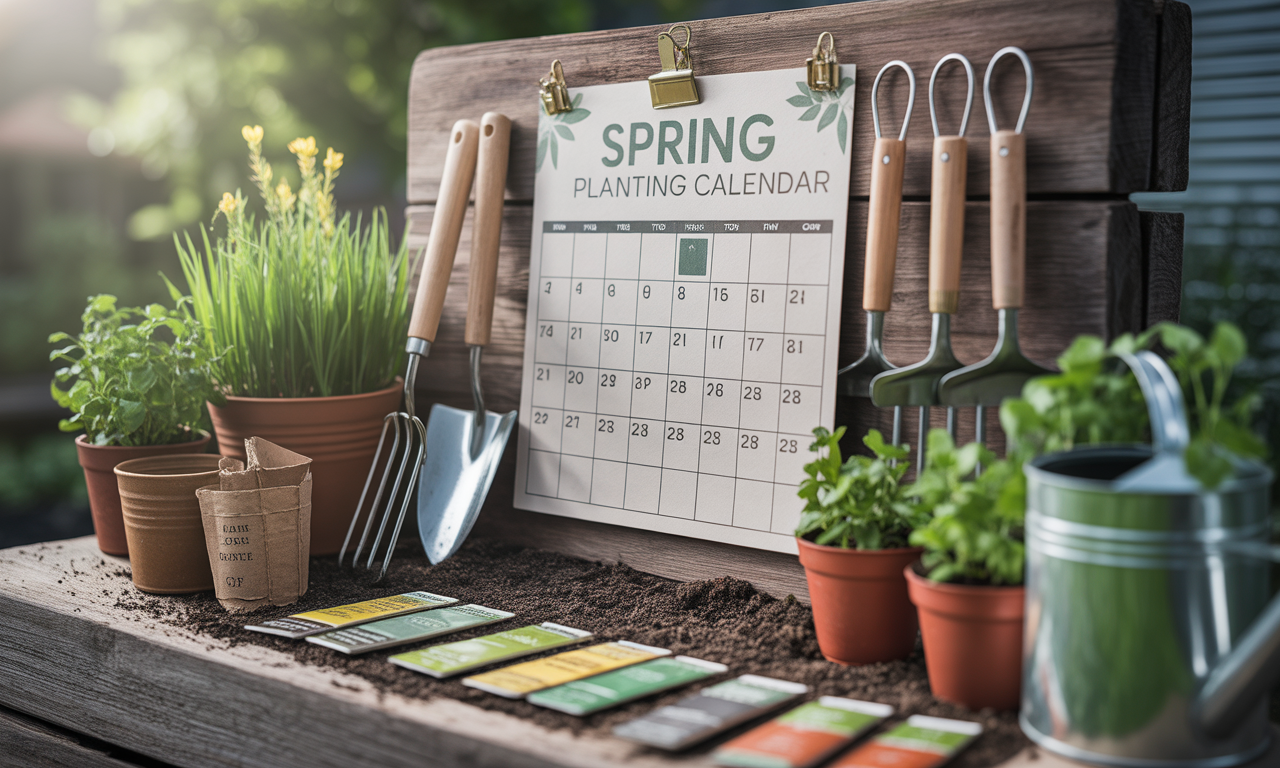
Create a personal planting calendar based on your region. Record frost dates, soil readings, and seed-starting schedules each year — this will become your personalized spring planting guide for years of thriving, on-time harvests.
🌎 Know Your Zone — Match Crops to Climate
Every successful garden begins with understanding your environment. No matter how rich your soil or how diligently you water, your results depend on planting crops suited to your climate zone. That’s why any expert spring planting guide starts with one simple question: “What’s your growing zone?”
🌿 Problem:
Many gardeners use one-size-fits-all advice they find online, ignoring how drastically conditions vary from region to region. A vegetable that thrives in Texas may struggle in New York or wilt in Scotland. Without knowing your zone, even the most enthusiastic efforts can lead to disappointment and wasted seeds.
🌼 Explanation:
Climate zones determine which plants grow best in your area based on temperature extremes, rainfall, and seasonal length. The spring planting guide emphasizes matching plants to your hardiness zone — a simple concept that saves time, money, and frustration. For example, cool-weather crops like lettuce, peas, and radishes love zones 3–7, while tomatoes and peppers perform best in zones 8–11. Understanding these patterns helps you plan for consistent growth and fewer losses.
🌻 Solution:
Check the USDA Hardiness Zone Map (for the U.S.), the Met Office Plant Hardiness Index (for the U.K.), or Canada’s Plant Hardiness Map to find your zone. Once identified, tailor your planting list using region-specific varieties. Combine this knowledge with your spring planting guide to plan when to sow, transplant, and harvest based on local frost dates.
🌱 Pro Tip:
Create a laminated “zone card” for quick reference — list your hardiness zone, frost-free dates, and top five crops that perform well there. This small habit from the spring planting guide keeps you aligned with nature’s rhythm and helps your garden thrive season after season.
🌾 Prepare Your Soil — The Foundation of Every Great Garden
Before you sow even a single seed, there’s one crucial step that determines your garden’s success: soil preparation. Healthy soil is more than just dirt — it’s a living ecosystem that nurtures roots, supports moisture retention, and delivers nutrients efficiently. Every spring planting guide highlights this as the foundation of productive gardening.
🌿 Problem:
Many gardeners skip soil preparation, believing that adding fertilizer later will fix any issue. But compacted, nutrient-poor, or acidic soil can prevent seeds from germinating, roots from expanding, and plants from absorbing essential minerals. Without proper groundwork, your garden may struggle no matter how perfect your timing or watering schedule is.
🌼 Explanation:
Soil health is built on structure, balance, and biology. The spring planting guide emphasizes that good soil should feel crumbly, smell earthy, and drain well without becoming waterlogged. Its texture and pH determine how well plants access nutrients like nitrogen, phosphorus, and potassium. Over time, heavy use of chemical fertilizers can strip organic matter and disrupt the soil’s microbiome — leading to stunted growth and pest problems.
🌻 Solution:
Start by testing your soil’s pH with a simple home kit. Most vegetables thrive in a slightly acidic range of 6.0–7.0. If it’s too acidic, mix in lime; if too alkaline, add compost or peat moss. Enrich your beds with organic matter like worm castings, leaf mold, or compost to boost fertility and microbial activity. For clay-heavy soils, mix in coarse sand or perlite for better aeration. A well-prepared base — as described in the spring planting guide — allows roots to grow deep and strong, giving your garden a stable foundation for the entire season.
🌱 Pro Tip:
Before planting, let the soil “rest” for a week after adding compost or amendments. This stabilizes microbial activity and prevents nutrient shock. Following this simple rule from the spring planting guide ensures your seedlings settle into a rich, balanced environment right from the start.
🥕 Choose the Right Crops for Early Growth
Not every seed is ready to face spring’s unpredictable weather. Some thrive in cool, moist soil, while others need warmth and patience. Choosing the right crops at the right time is a golden rule repeated throughout every trusted spring planting guide — because it determines how soon your garden bursts into life.
🌿 Problem:
Beginners often plant warm-season vegetables too early, only to watch them wither or stagnate in cold soil. Others hesitate too long, losing valuable weeks of growing time. This mismatch between crop and season is one of the most common reasons for poor germination and low yields.
🌼 Explanation:
Each plant has its own temperature preference. The spring planting guide divides crops into two main categories — cool-season and warm-season. Cool-season plants like lettuce, spinach, peas, kale, radishes, and carrots germinate even in chilly soil and can survive light frost. Warm-season crops such as tomatoes, peppers, cucumbers, and beans, however, demand stable warmth before planting. By understanding this balance, you can enjoy an early harvest without risking tender seedlings.
🌻 Solution:
Plan your planting in two phases. Start cool-season vegetables outdoors as soon as the soil reaches 45°F (7°C), and sow warm-season crops 4–6 weeks later, when nighttime temperatures consistently stay above 55°F (13°C). Many gardeners in the spring planting guide community use succession planting — re-sowing quick-growing crops like lettuce every two weeks to ensure continuous harvests throughout summer.
🌱 Pro Tip:
Use raised beds or black mulch to warm the soil earlier in the season. These methods can accelerate germination by up to two weeks, giving your crops a healthy head start. Following this step from the spring planting guide ensures that your garden is both timely and resilient, no matter the climate.
🌾 Plan for Continuous Harvest — Succession Planting Secrets
One of the most satisfying experiences for any gardener is walking into a garden that never stops producing. While most gardens peak once and then fade, you can enjoy a steady flow of vegetables and flowers all summer long by practicing succession planting, a strategy highlighted in every expert spring planting guide.
🌿 Problem:
Many gardeners plant everything at once, resulting in a flood of produce that ripens simultaneously — overwhelming at harvest time and wasteful if not preserved. Then, the garden sits empty for weeks afterward. Without a plan for continuity, your yield and joy both drop sharply.
🌼 Explanation:
The spring planting guide recommends spacing your planting times to maintain constant productivity. Instead of sowing all your lettuce seeds at once, plant a small batch every two weeks. As one crop matures, another starts to grow — creating a seamless rotation. This not only ensures a continuous harvest but also improves soil health by reducing nutrient depletion and pest build-up. Succession planting also lets you use limited space more efficiently, ideal for small gardens or container setups.
🌻 Solution:
Make a simple chart outlining sowing intervals for your key crops. For example, lettuce, spinach, and radishes can be reseeded every 2–3 weeks; beans and cucumbers every 4–6 weeks. Rotate your beds between root crops, leafy greens, and legumes to balance soil nutrients. Digital tools and printable planners from a spring planting guide can help you visualize and manage your schedule with ease.
🌱 Pro Tip:
Label your garden beds by date rather than crop name. This helps you track when each section was planted and when it should be reseeded. It’s a small but powerful organizational habit recommended in the spring planting guide for maximizing your seasonal harvest and maintaining a vibrant garden throughout summer.
🌻 Combine Vegetables and Flowers — Nature’s Perfect Balance
Gardening is more than planting seeds; it’s about building an ecosystem. The best gardens don’t just produce food — they thrive with harmony and color. That’s why every expert spring planting guide encourages combining vegetables and flowers in one cohesive design. It’s not just beautiful — it’s biologically smart.
🌿 Problem:
Many gardeners separate vegetable beds from flower borders, unknowingly reducing biodiversity and pest resistance. A monoculture setup (growing one type of plant in one area) attracts insects that specialize in attacking that crop, leading to infestations and weakened soil health.
🌼 Explanation:
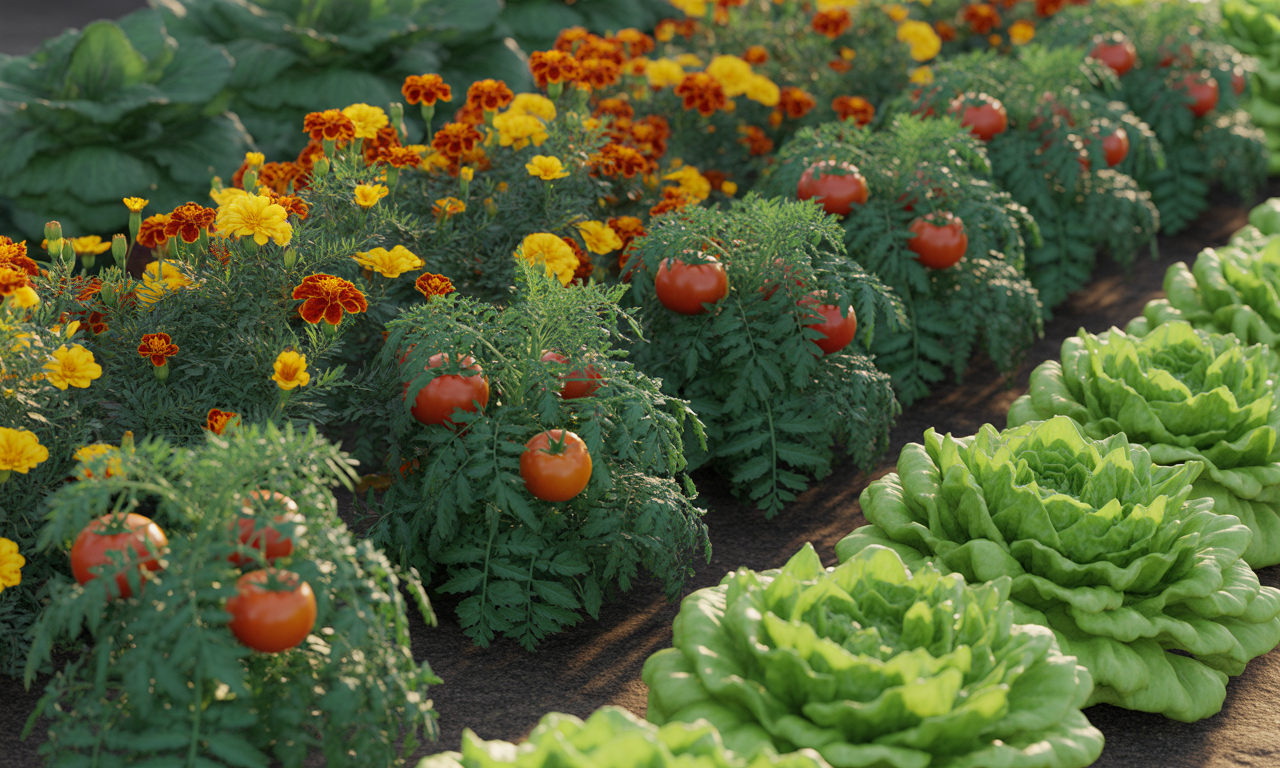
The spring planting guide emphasizes companion planting, where specific flowers and vegetables help each other grow. Marigolds, for instance, repel nematodes and aphids when planted near tomatoes. Nasturtiums lure pests away from cucumbers and beans, while zinnias and cosmos attract pollinators that boost fruit yield. Flowers also improve soil microbe diversity and maintain moisture levels by shading the soil surface. Together, they create a natural balance — a self-sustaining garden that needs fewer chemical interventions.
🌻 Solution:
Plan mixed garden beds where flowers and vegetables alternate. Border your vegetable plots with pollinator-friendly blooms. Use tall plants like sunflowers or corn as natural shade for tender greens. The spring planting guide suggests choosing plants with similar watering and sunlight needs to keep care simple and effective.
🌱 Pro Tip:
Design a “color-and-crop map” before spring planting. Assign bright flowers like marigolds or calendulas next to your leafy greens and tomatoes. This layout not only boosts pollination but also turns your food garden into a living landscape masterpiece — a technique celebrated in every sustainable spring planting guide.
💧 Master Watering — The Goldilocks Rule
Water is life — but in gardening, too much or too little can spell disaster. Every thriving plant depends on balanced watering, and that’s why the spring planting guide refers to this as “The Goldilocks Rule” — not too dry, not too soaked, just right.
🌿 Problem:
Overwatering is one of the most common causes of plant death, second only to neglect. Many gardeners water daily out of habit, drowning roots and suffocating oxygen flow. Others forget for days, leaving seedlings wilted and weak. Both extremes cause stress that halts growth and attracts pests. Without proper watering, even the most detailed spring planting guide won’t deliver the lush results you expect.
🌼 Explanation:
Watering isn’t just about frequency — it’s about depth and timing. The spring planting guide emphasizes that deep, infrequent watering encourages roots to grow downwards, making plants stronger and more drought-tolerant. Shallow watering, on the other hand, keeps roots near the surface, increasing the risk of dehydration. Watering in the early morning helps minimize evaporation and fungal disease. By understanding your soil type — clay, loam, or sandy — you can adjust watering schedules for precision and consistency.
🌻 Solution:
Check soil moisture before watering by pressing your finger an inch deep. If it feels dry, it’s time to water; if damp, wait another day. Use drip irrigation or soaker hoses to deliver water directly to the roots instead of splashing leaves. The spring planting guide suggests covering soil with organic mulch — it locks in moisture, regulates temperature, and reduces the need for frequent watering.
🌱 Pro Tip:
Create a “watering rhythm” tailored to your garden. Combine soil testing, rainfall observation, and plant monitoring to establish a natural schedule. This habit, taught in every professional spring planting guide, ensures your plants receive exactly what they need — a perfect balance between hydration and oxygen for unstoppable growth.
❄️ Protect Young Plants from Late Frosts
Few things are more heartbreaking for a gardener than waking up to find young, tender plants wilted by a surprise frost. Spring may bring warmth, but it also carries unpredictable cold snaps — one of the most serious challenges addressed in every spring planting guide. Understanding frost protection can mean the difference between early success and a garden setback.
🌿 Problem:
Many gardeners rush to transplant seedlings after a warm week, only for an unexpected frost to burn delicate leaves and halt growth. These temperature drops, though brief, can cause irreversible cellular damage. Ignoring this crucial step in the spring planting guide often leads to stunted crops or total seedling loss.
🌼 Explanation:
The spring planting guide emphasizes that frost damage happens when moisture inside plant cells freezes, rupturing tissues. Young plants, especially tomatoes, cucumbers, and peppers, are highly sensitive to cold stress. Even hardy crops like lettuce or kale can suffer if exposed suddenly after indoor growth. Knowing your area’s average last frost date is key. But remember — these are averages, not guarantees. Microclimates in gardens can cause variations of several degrees.
🌻 Solution:
Follow the layered protection approach outlined in the spring planting guide. Use floating row covers, cloches, or old bedsheets to trap radiant heat overnight. For container plants, move pots close to walls or under porches. Water the soil before a predicted frost — moist soil retains heat better than dry. Keep a weather app handy for last-minute alerts, and avoid transplanting until nighttime temperatures stay above 50°F (10°C) consistently.
🌱 Pro Tip:
Save old plastic bottles, cut them in half, and place them over seedlings as mini greenhouses. This DIY trick from the spring planting guide shields tender sprouts from frost while allowing air circulation. Always remove covers in the morning to prevent overheating under the sun.
🌿 Feed Gradually — Avoid Fertilizer Burn
Just as plants need sunlight and water, they also rely on steady nutrition to thrive. However, overfeeding can be just as damaging as neglect. Every reliable spring planting guide emphasizes one golden rule — feed your garden slowly and consistently. Sudden nutrient overload can scorch delicate roots and halt growth, turning lush seedlings into wilted disappointments.
🌼 Problem:
Many gardeners believe “more fertilizer means faster growth.” Unfortunately, that mindset leads to fertilizer burn — a condition where excess salts draw moisture out of the roots, dehydrating plants from within. This common mistake, noted repeatedly in the spring planting guide, causes yellow leaves, crispy edges, and weak stems.
🌻 Explanation:
Fertilizer burn is usually caused by over-application or the use of high-nitrogen synthetic blends. The spring planting guide recommends gradual feeding instead — allowing the soil’s natural ecosystem to process nutrients at a balanced pace. Organic options like compost tea, worm castings, and seaweed extract release nutrients slowly, strengthening roots without shocking the plant system. Timing also matters: feeding right after transplanting or during extreme heat increases the risk of stress.
🌾 Solution:
Follow the 30-30 rule from the spring planting guide: feed your plants lightly every 30 days with diluted organic fertilizer (half strength). Always water thoroughly before and after applying fertilizer to prevent salt buildup. Rotate between nitrogen-rich compost and potassium-heavy banana peel water to support both leaf and fruit development naturally.
🌱 Pro Tip:
Keep a feeding log in your gardening journal or digital planner. Record the type, amount, and date of every nutrient application. This tracking method, recommended in the spring planting guide, helps you learn your plants’ unique responses — ensuring balanced nutrition, greener foliage, and a vibrant, stress-free garden.
🌱 Observe, Adapt, and Record Your Garden’s Growth
A truly successful gardener isn’t just someone who plants — but someone who observes. Every plant, every leaf, and every inch of soil tells a story. The difference between a good garden and a great one often lies in how closely you pay attention to its changes. That’s why the spring planting guide doesn’t end with sowing — it ends with learning from your own garden.
🌿 Problem:
Many gardeners follow advice perfectly but never record what works and what doesn’t. As a result, they repeat the same mistakes season after season — overwatering certain crops, misjudging spacing, or forgetting which fertilizer produced better blooms. Without tracking, even the most detailed spring planting guide becomes a one-time experiment instead of a lifelong reference.
🌼 Explanation:
Observation is the heart of gardening science. The spring planting guide encourages journaling your garden’s progress — noting soil conditions, rainfall, temperature fluctuations, and pest patterns. Over time, this builds your personalized gardening blueprint. Patterns begin to emerge: you’ll know when tomatoes perform best, how long lettuce thrives before bolting, and which bed needs more compost next spring.
🌻 Solution:
Keep a weekly garden journal, either digital or handwritten. Record plant growth rates, harvest yields, pest activity, and environmental notes. Use photos to track visual progress — it’s motivating and insightful. The spring planting guide also suggests color-coding your data: green for healthy progress, yellow for slow growth, and red for issues that need intervention.
🌱 Pro Tip:
Set aside 10 minutes every weekend for “garden reflection.” Walk through your beds, take notes, and adjust care routines based on what you observe. This mindfulness practice, advocated in every spring planting guide, not only improves your results but deepens your connection with nature — transforming gardening from a task into a joyful ritual of discovery.
🌷 Best Vegetables & Flowers for a Full Summer Harvest
Spring is the season of beginnings — and every choice you make now determines how colorful, flavorful, and abundant your garden will be by midsummer. The spring planting guide is incomplete without knowing what to plant for the longest, healthiest harvest possible. Selecting the right combination of fast-growing vegetables and vibrant flowers ensures that your garden remains productive, pollinator-friendly, and visually stunning all season long.
🌿 Vegetables That Thrive After Spring Planting
These vegetables germinate quickly, tolerate temperature swings, and reward you with continuous harvests through late summer:
| 🌱 Vegetable | 🌤️ Ideal Planting Time | 🍅 Harvest Window | 🌾 Quick Tip |
| Lettuce | Early to mid-spring | 30–60 days | Re-seed every 2 weeks for constant greens. |
| Carrots | Early spring | 60–80 days | Loosen soil deeply for smooth roots. |
| Tomatoes | Late spring | 80–100 days | Stake early; feed lightly every 3 weeks. |
| Beans | Mid to late spring | 60–70 days | Choose bush beans for smaller spaces. |
| Spinach | Early spring | 40–50 days | Keep shaded as weather warms. |
| Cucumbers | Late spring | 55–65 days | Mulch to retain moisture and prevent rot. |
🌸 Flowers That Boost Growth & Pollination
Pairing flowers with vegetables isn’t just pretty — it’s smart gardening. These blooms attract pollinators, deter pests, and enrich the soil ecosystem.
| 🌼 Flower | 🐝 Benefit | 🌞 Best Companion Crops | 🌿 Care Tip |
| Marigolds | Repel nematodes and aphids | Tomatoes, beans | Deadhead weekly for more blooms. |
| Nasturtiums | Trap pests and improve soil | Cucumbers, kale | Grow from seed; thrives in poor soil. |
| Zinnias | Attract bees and butterflies | Peppers, herbs | Water deeply twice a week. |
| Sunflowers | Provide natural shade | Lettuce, spinach | Plant along the northern border. |
| Calendula | Acts as a natural mulch | Root vegetables | Pinch early buds to promote branching. |
The spring planting guide encourages balance — mixing early-maturing crops with long-season bloomers. This keeps your garden alive and evolving, ensuring you always have something fresh to harvest or admire.
🌱 Pro Tip:
Use color-coded plant markers or a printable calendar to track your vegetable–flower pairings. Not only does this make your garden visually appealing, but it also helps you identify which combinations work best for next season’s plan.
🌿 ❓Frequently Asked Questions
Q1. What does a spring planting guide include?
A spring planting guide includes detailed instructions on soil preparation, seasonal crop selection, watering schedules, and pest management — helping gardeners plan and execute a thriving spring-to-summer garden.
Q2. When should I start planting in spring?
Most regions can begin spring planting when soil temperatures reach around 50°F (10°C). Check local frost dates using a USDA planting zone map or your region’s agricultural extension calendar.
Q3. What vegetables grow best in early spring?
Leafy greens like lettuce, spinach, and kale perform best in early spring. Root crops such as carrots and radishes also thrive when planted directly into cool, moist soil.
Q4. How can I protect spring plants from late frost?
Use cloches, cold frames, or lightweight garden fabric to protect tender seedlings from temperature drops. Watering soil before a cold night also helps retain warmth.
Q5. How often should I water new seedlings?
Water lightly every morning until seedlings establish deep roots. Consistent moisture is essential, but avoid waterlogging — it can suffocate the roots.
Q6. How do flowers help in the spring planting guide?
Flowers like marigolds and nasturtiums attract beneficial insects and deter common pests, making them an essential companion in your spring planting guide setup.
Q7. Can I follow this spring planting guide in containers?
Absolutely! Container gardening works wonderfully for herbs, leafy greens, and compact vegetables. Just ensure good drainage and regular feeding with organic compost tea.
🌸 🌻 Conclusion & Call to Action (CTA)
Spring is more than a season — it’s the beginning of growth, renewal, and learning.
By following the steps in this spring planting guide, you’ll not only grow plants — you’ll cultivate patience, awareness, and joy. From choosing the right seeds to recording your results, each action brings you closer to the rhythm of nature.
🌱 Now it’s your turn!
Take out your gloves, grab your trowel, and start your garden journey today. Whether you have a small balcony or a spacious backyard, use this spring planting guide as your seasonal roadmap to success.💬 Tell us in the comments:
What’s the first plant you’ll be sowing this spring — lettuce, marigolds, or maybe both?
💡Looking for something different? Check out our latest post here: https://gardeniva.com/plant-problem-signs/