| Explore this comprehensive and highly effective zone-wise planting guide designed for gardeners in the US, UK, and Canada. Get positive, expert-backed tips, printable planting charts, and seasonal strategies to help your garden thrive all year round. |
- 🌱 Introduction — Why Planting by Zone Creates Thriving Gardens
- 🌍 Understanding What Planting Zones Really Mean
- 🌿 How to Use This Zone-Wise Planting Guide
- USA Planting Zones (1–13) — When & What to Plant
- UK Planting Zones (A–H) — The British Climate Advantage
- Canada Planting Zones (0–9) — Timing Is Everything
- 🌎 Comparative Table — Planting Seasons Across Regions
- 🌤️ Seasonal Adjustments & Microclimate Hacks
- 🖨️ Printable Planting Chart & Download Instructions
- 🌾 Pro Tips for Seasonal Success
- ❓ FAQ — Your Common Questions About the Zone-Wise Planting Guide
- 🌻 Conclusion — Growing Smarter With the Zone-Wise Planting Guide
🌱 Introduction — Why Planting by Zone Creates Thriving Gardens
Have you ever planted your favorite seeds too early, only to watch them wither before spring truly arrived? Or maybe you waited too long, and your harvest couldn’t beat the frost? These are common frustrations among gardeners across different regions. The secret to avoiding such seasonal setbacks lies in following a reliable zone-wise planting guide tailored to your specific climate.
Each region in the world has unique temperature patterns, frost dates, and growing conditions. Without understanding these, even the most enthusiastic gardener risks wasted effort and stunted growth. A well-crafted zone-wise planting guide removes this guesswork by aligning your planting calendar with your local environment — ensuring every seed gets the right start at the right time.
Whether you live in the sunny South of the US, the mild landscapes of the UK, or the cool gardens of Canada, this comprehensive zone-wise planting guide will show you exactly what to plant, when to plant it, and where it will thrive. 🌿
By the end of this post, you’ll not only understand your regional zone but also have access to a printable planting chart to plan your most successful gardening year ever.
🌍 Understanding What Planting Zones Really Mean
Before diving into the details of any zone-wise planting guide, it’s important to understand what planting zones actually represent. Each zone is a scientific classification based on the average annual minimum temperature of a region — essentially, how cold it gets during winter. This determines which plants can survive, which ones will struggle, and which simply won’t grow at all.
In the United States, the USDA Plant Hardiness Zones range from 1 (the coldest) to 13 (the warmest). The United Kingdom follows a letter-based system from A to H, while Canada uses zones from 0 to 9 due to its colder climate. A detailed zone-wise planting guide helps gardeners from all three countries identify their frost dates and tailor their planting schedules accordingly.
Why does this matter? Because knowing your zone is the difference between a thriving garden and a disappointing one. It helps you select crops, flowers, and herbs that are perfectly suited to your environment. When you use a zone-wise planting guide aligned with your local climate, you’re not just planting — you’re planning for success.
🌿 Pro Tip:
Bookmark your region’s official hardiness map and note your frost dates every season. A small adjustment of a week or two, guided by your zone-wise planting guide, can lead to dramatically healthier plants and bigger harvests.
🌿 How to Use This Zone-Wise Planting Guide
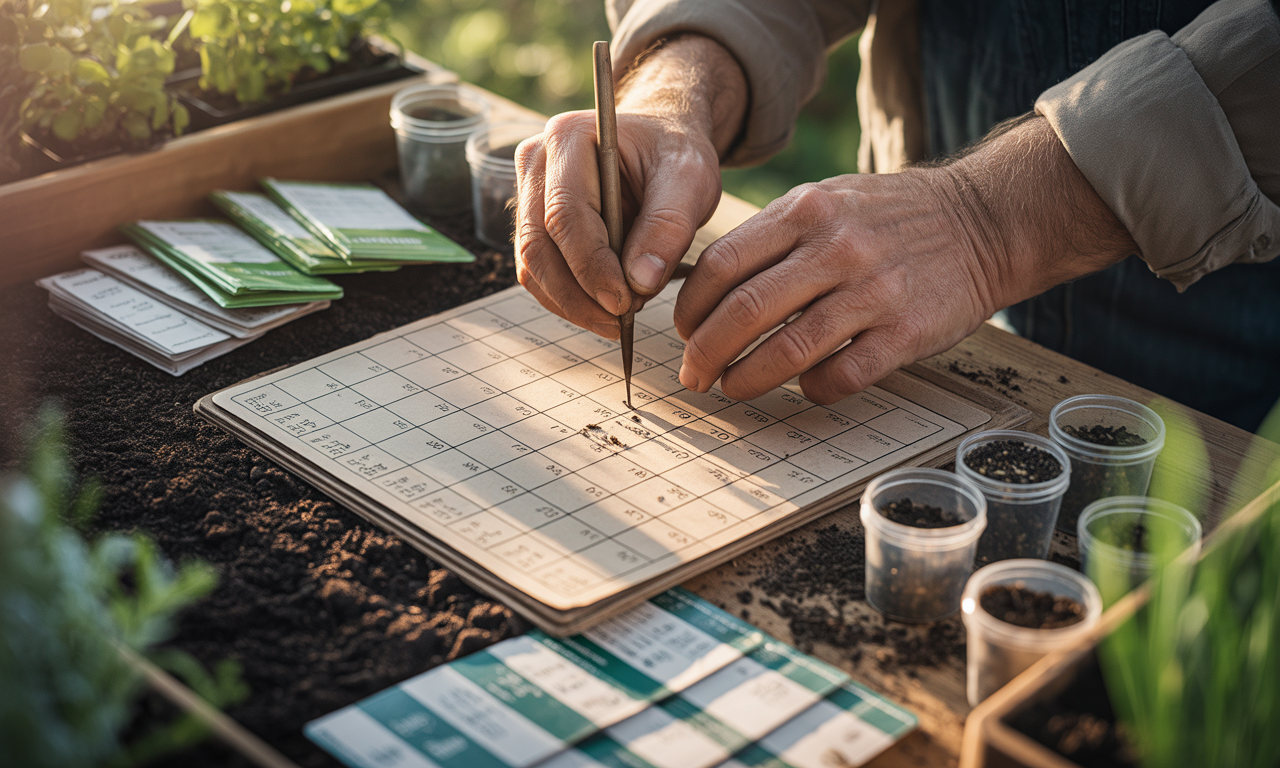
Now that you know what planting zones mean, the next step is learning how to make the most of your zone-wise planting guide. Think of it as your personalized gardening calendar — a roadmap that helps you decide what to plant, when to plant, and how to prepare for each season in your specific region.
Start by identifying your zone. You can do this easily using your postal code on official zone maps for the US, UK, or Canada. Once you’ve confirmed your number or letter, match it with the corresponding planting schedule in this zone-wise planting guide. Each zone has unique frost dates and temperature ranges, so aligning your planting activity with those windows ensures stronger root growth and timely blooms.
Your zone-wise planting guide also helps you plan ahead. For instance, if you’re in Zone 6 in the US, start cool-season crops like lettuce indoors by early March, and warm-weather crops like tomatoes in late May. UK gardeners in Zone D can follow a similar pattern with slight seasonal shifts, while Canadian gardeners can use mini-greenhouses to extend their growing time.
🌾 Pro Tip:
Print your zone-wise planting guide and keep it in your garden journal. Add notes each year — actual frost dates, rainfall, and success rates. Over time, your customized record will become more accurate than any online calendar, turning your gardening into both a science and an art.
USA Planting Zones (1–13) — When & What to Plant
The United States is divided into 13 primary planting zones, each defined by its average annual minimum temperature. This section of the zone-wise planting guide will help you identify the best planting windows for your vegetables, herbs, and flowers based on your region’s unique climate pattern.
Zones 1–5 cover the colder northern states, where winters are long and growing seasons short. Zones 6–9 span the central belt, offering moderate conditions ideal for a wide variety of crops. The southernmost regions — Zones 10–13 — enjoy warm temperatures nearly all year, perfect for tropical plants and extended harvests. By using this zone-wise planting guide, you can synchronize your planting schedule with your local frost dates to achieve maximum yield.
Below is a quick overview to help you plan efficiently:
| Zone Range | Climate Description | Best Planting Months | Example Crops |
| 1–3 | Very cold, short growing season | May–July | Kale, spinach, radish |
| 4–5 | Cool temperate, spring frost risk | April–June | Peas, lettuce, carrots |
| 6–7 | Moderate winters, long summers | March–May, Sept | Tomatoes, beans, herbs |
| 8–9 | Warm with mild frost | Feb–April, Oct–Nov | Peppers, cucumbers, squash |
| 10–13 | Tropical/subtropical, frost-free | Year-round | Bananas, okra, papaya |
Using this zone-wise planting guide, beginners can plan both cool-season and warm-season crops efficiently. Align your seed-starting schedule with these recommendations, and always adjust two weeks earlier or later depending on local weather conditions.
🌿 Pro Tip:
For best results, note your first and last frost dates each year. Even within the same zone, microclimates can shift by several days. Tracking these details alongside your zone-wise planting guide ensures better timing, healthier seedlings, and consistent harvests.
UK Planting Zones (A–H) — The British Climate Advantage
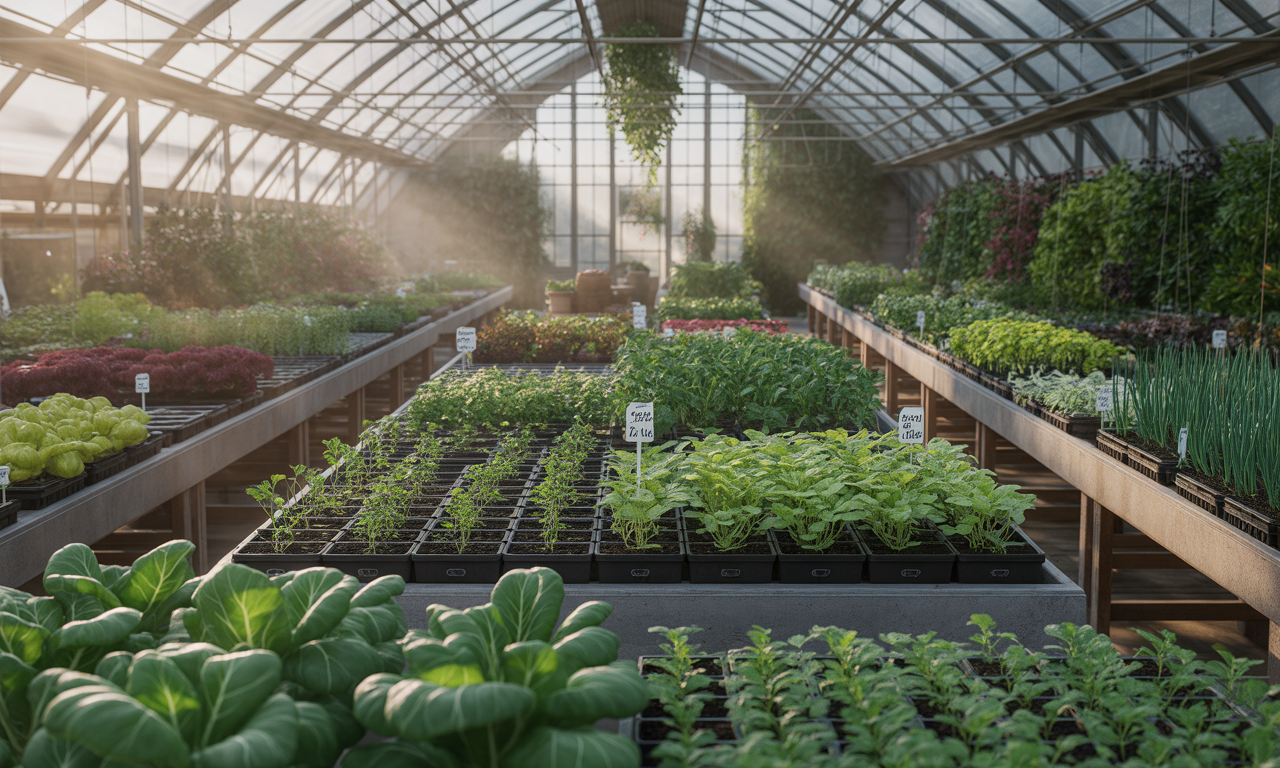
When it comes to gardening in the United Kingdom, variety is both a blessing and a challenge. The UK’s mild but unpredictable weather means gardeners must pay close attention to seasonal changes. This part of the zone-wise planting guide explains how the letter-based British zoning system (A to H) helps gardeners time their planting for year-round success.
Zones A–C represent the cooler highlands and northern regions, while Zones D–F cover the milder Midlands and coastal areas. Zones G and H, found in southern England and parts of Wales, enjoy longer growing seasons with fewer frosts. Following a tailored zone-wise planting guide ensures you can match your plants to their ideal environment, whether you’re growing herbs on a London balcony or root vegetables in a Scottish allotment.
| UK Zone | Typical Climate | Best Planting Months | Recommended Crops |
| A–B | Cold & windy, short seasons | April – July | Kale, carrots, beetroot |
| C–D | Temperate & moist | March – June | Lettuce, peas, broccoli |
| E–F | Mild summers, occasional frost | Feb – May, Sept | Potatoes, beans, spinach |
| G–H | Warmest zones, long growing season | Year-round | Tomatoes, basil, lavender |
Using this zone-wise planting guide, UK gardeners can extend harvests by staggering sowing dates and choosing frost-resistant varieties. The country’s variable rainfall makes drainage crucial, so raised beds or well-mulched borders are ideal.
🌼 Pro Tip:
Keep a portable cold frame or cloche handy. Sudden temperature drops can surprise even southern growers, and a quick cover can save weeks of growth. Pair this habit with your zone-wise planting guide to maintain healthier, more resilient plants throughout the year.
Canada Planting Zones (0–9) — Timing Is Everything
Canada’s breathtaking landscapes bring both beauty and challenge to gardening. With long winters, late frosts, and short summers in many regions, proper timing becomes the lifeline of every gardener. This section of the zone-wise planting guide is designed to help Canadians plan effectively, ensuring every seed has the best chance to thrive before the next freeze.
Canada’s planting zones range from 0 (the coldest, found in northern territories) to 9 (the mild coastal areas of British Columbia). Western provinces like British Columbia enjoy longer growing windows, while central regions such as Alberta and Saskatchewan face shorter, more intense seasons. Eastern provinces, including Ontario and Nova Scotia, balance between moderate summers and unpredictable frosts. Using this zone-wise planting guide, gardeners can easily adapt sowing and transplanting schedules to suit their regional microclimates.
| Zone Range | Climate Description | Planting Window | Example Crops |
| 0–2 | Extreme cold, limited daylight | May–July | Spinach, kale, hardy herbs |
| 3–5 | Cool spring, short summer | April–June | Peas, carrots, lettuce |
| 6–7 | Moderate warmth, steady rainfall | March–May, Aug | Beans, tomatoes, peppers |
| 8–9 | Mild winter, long growing season | Feb–Nov | Herbs, berries, cucumbers |
Even in cooler regions, greenhouses and cold frames can extend your season. This zone-wise planting guide encourages the use of raised beds, row covers, and frost blankets to create microclimates that protect delicate plants.
🌾 Pro Tip:
Start seeds indoors 6–8 weeks before the last frost date. Transplant once soil temperatures stabilize. Combining indoor germination with insights from your zone-wise planting guide helps maximize Canada’s brief but bountiful growing window.
🌎 Comparative Table — Planting Seasons Across Regions
Every country follows its own rhythm of seasons, but the beauty of a unified zone-wise planting guide is that it simplifies complex regional differences into one easy reference. Whether you’re tending a small balcony garden in London, a backyard in California, or a homestead in Ontario, understanding cross-regional planting times allows you to grow smarter — not harder.
Below is a comparative table summarizing the best planting windows for popular crops across the United States, United Kingdom, and Canada. Use this zone-wise planting guide to plan your year-round gardening strategy with precision and confidence.
| Crop | US Zones (1–13) | UK Zones (A–H) | Canada Zones (0–9) | Best Planting Season |
| Lettuce | 3–9 | B–H | 2–8 | Spring & Fall |
| Tomatoes | 5–11 | D–H | 4–8 | Late Spring – Early Summer |
| Spinach | 2–9 | A–G | 0–8 | Early Spring |
| Strawberries | 4–10 | C–H | 3–8 | Mid to Late Spring |
| Potatoes | 3–9 | B–G | 2–7 | Early Spring |
| Lavender | 5–9 | D–H | 5–8 | Summer |
| Peas | 2–8 | A–G | 0–7 | Late Winter – Early Spring |
| Herbs (Basil, Parsley) | 6–13 | E–H | 4–9 | Late Spring – Summer |
| Cabbage | 2–8 | A–G | 1–7 | Early Spring – Late Fall |
| Beans | 5–10 | D–H | 3–8 | Late Spring – Summer |
Using this zone-wise planting guide, you can spot overlaps in growing seasons and adjust accordingly. For example, if peas thrive in March in the UK, you can use that timing as a baseline and adapt based on your local temperature and daylight hours.
🌼 Pro Tip:
Keep a laminated copy of this table near your potting bench. Having a visual reminder of when each crop grows best across regions helps you avoid confusion and get the most from your zone-wise planting guide all year long.
🌤️ Seasonal Adjustments & Microclimate Hacks
Even the most detailed zone-wise planting guide can’t predict the surprises of nature — sudden heatwaves, unseasonal rain, or an early frost. That’s where understanding microclimates becomes your secret gardening superpower. A microclimate is the unique set of conditions around your growing space — influenced by shade, wind, soil type, and even nearby walls or water bodies.
Every garden has its own weather personality. South-facing walls absorb heat, creating a warmer pocket perfect for tomatoes or basil. Meanwhile, low-lying areas might trap cold air, delaying germination. When you apply your zone-wise planting guide alongside microclimate observations, you move from general planning to precise cultivation — making each plant’s environment just right.
Here’s how to adapt your planting for seasonal and microclimatic shifts:
- 🌦️ Observe Patterns: Track sun exposure and wind direction for a week before planting.
- 🌱 Use Mulch & Covers: Regulate temperature swings and prevent moisture loss.
- 💨 Add Windbreaks: Shrubs, fences, or trellises protect delicate plants.
- 🪴 Experiment with Containers: Move pots based on changing light conditions.
- 🌡️ Record Changes: Note frost dates and temperature extremes beside your zone-wise planting guide to refine future plans.
Microclimates can differ dramatically within the same property — even a few meters can mean days of difference in frost timing. Adjusting for these nuances ensures your garden thrives consistently, no matter how unpredictable the season.
🌿 Pro Tip:
Install a simple garden thermometer and rain gauge. Pairing real-time local data with your zone-wise planting guide helps you anticipate changes before they affect your plants, turning you from a casual grower into a climate-savvy gardener.
🖨️ Printable Planting Chart & Download Instructions
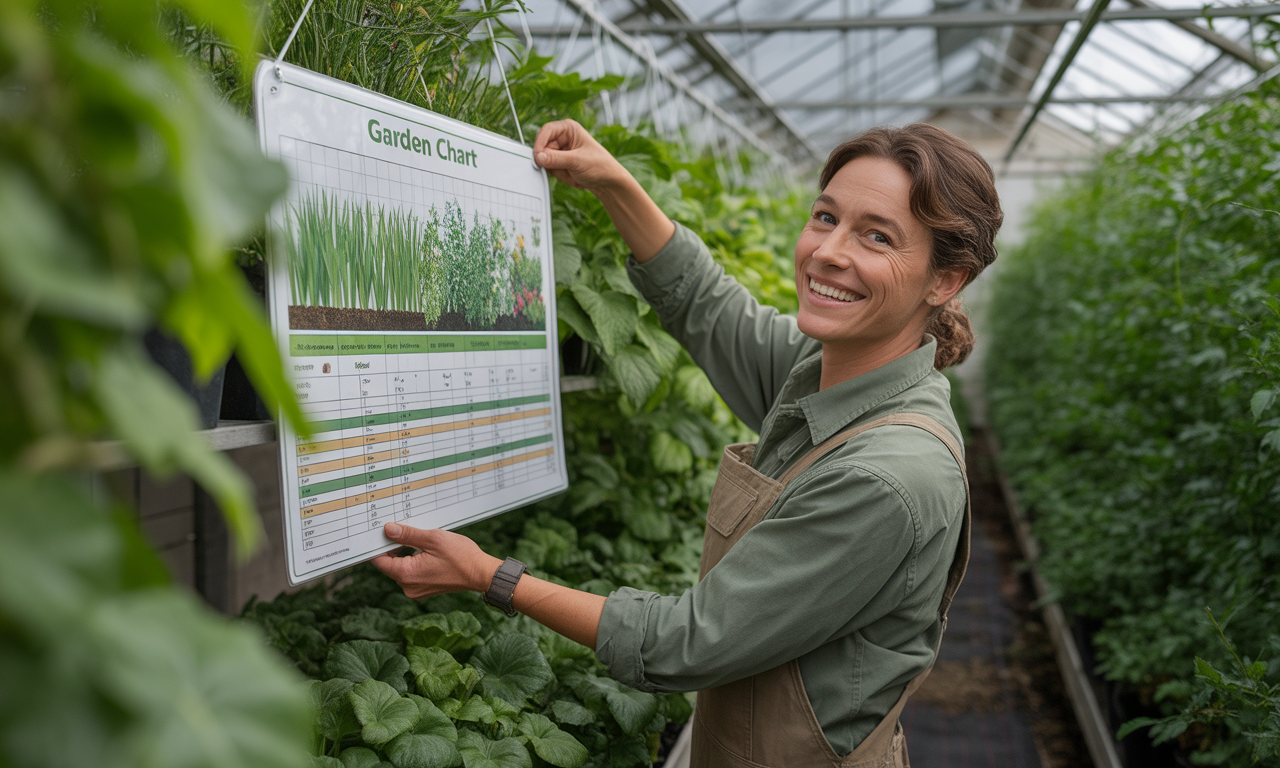
One of the most practical features of this zone-wise planting guide is the printable planting chart — a visual calendar that makes seasonal planning effortless. Instead of guessing when to start or transplant, you can now download an easy-to-follow, color-coded reference for the US, UK, and Canada.
Each chart is divided into months and planting stages, including seed starting, transplanting, and harvesting. It aligns perfectly with your regional hardiness zones, ensuring you never miss the ideal window for growth. Whether you prefer vegetables, herbs, or flowering plants, this printable version of the zone-wise planting guide helps you stay organized throughout the year.
Here’s how to access and use it:
1️⃣ Visit: https://gardeniva.com/zone-wise-planting-guide-chart
2️⃣ Select Your Region: Choose USA, UK, or Canada to get the correct version.
3️⃣ Download the PDF: Click “Download Chart” for an instantly printable copy.
4️⃣ Customize It: Add notes for local frost dates or personal planting tweaks.
5️⃣ Print & Keep Handy: Place it near your garden workspace or greenhouse wall.
This zone-wise planting guide is designed for both beginners and experts who prefer structure over guesswork. With a single glance, you’ll know which crops to plant, which to harvest, and when to prepare for the next season — making every gardening session productive and stress-free.
🌿 Pro Tip:
Laminate your printable chart to make it weatherproof and reusable. You can mark each season’s adjustments with a non-permanent marker and refine your zone-wise planting guide as your experience grows.
🌾 Pro Tips for Seasonal Success
Even with the most detailed zone-wise planting guide, nature still loves surprises — and mastering your timing takes a few clever habits. These pro tips will help you bridge the gap between seasonal uncertainty and thriving, predictable harvests.
1️⃣ Start Seeds Smart: Begin seedlings indoors 6–8 weeks before the last frost date. Combine this habit with insights from your zone-wise planting guide to ensure perfect transplant timing.
2️⃣ Use Succession Planting: Don’t stop after the first harvest. Re-sow quick crops like lettuce, radish, and spinach every two weeks for a continuous yield.
3️⃣ Feed Your Soil First: Rotate crops seasonally and add compost or organic matter at least twice a year. A healthy soil base strengthens everything else in your zone-wise planting guide.
4️⃣ Track Rain and Temperature: Keep a small weather journal. Recording local data lets you refine your zone-wise planting guide each season.
5️⃣ Companion Plant for Balance: Pair plants that benefit each other — basil with tomatoes, carrots with onions — to reduce pests naturally.
6️⃣ Stay Flexible: If spring arrives late or autumn lingers longer, shift your schedule by one to two weeks. Gardening success is about responding, not resisting.
When you combine consistent observation with the structured rhythm of your zone-wise planting guide, you move beyond routine gardening into mindful cultivation — a blend of science, patience, and joy.
🌼 Pro Tip:
At the end of each season, review your notes and update your printable calendar. Adapting your zone-wise planting guide yearly ensures your garden evolves in harmony with the changing climate.
❓ FAQ — Your Common Questions About the Zone-Wise Planting Guide
Q 1. What is a zone-wise planting guide and why do gardeners need it?
A zone-wise planting guide is a climate-based calendar that helps gardeners know the best time to sow, transplant, and harvest based on regional temperature ranges and frost dates. It saves you from planting too early or too late and ensures each crop grows in its ideal season.
Q 2. How do I find my planting zone?
You can identify your zone by entering your postal code into official plant hardiness maps like the USDA (US), RHS (UK), or Natural Resources Canada (CA). Once you know your zone number or letter, match it with the regional section in this zone-wise planting guide.
Q 3. Can I grow plants from a warmer zone in a cooler region?
Yes — with care. Your zone-wise planting guide helps you adapt warm-zone plants by starting them indoors, using greenhouses, or providing frost protection. However, always choose varieties rated for your specific zone for the best results.
Q 4. How does the printable planting chart work with this guide?
The printable chart in this zone-wise planting guide visually maps your monthly tasks — seed starting, transplanting, and harvesting. You can download it from Gardeniva to track progress and make notes for each season.
Q 5. Does climate change affect planting zones?
Absolutely. Shifting temperatures can move zones northward or extend growing seasons. That’s why this zone-wise planting guide is updated yearly to reflect new data and help gardeners stay aligned with changing conditions.
Q 6. Do indoor plants follow the same zone rules?
Not exactly. While indoor gardens aren’t bound by frost dates, your zone-wise planting guide can still inform light and temperature needs. It helps you replicate natural growing conditions for better indoor plant health.
Q 7. How often should I update my planting plan?
Review your schedule at least once per season. Weather patterns and rainfall may shift, so adjust dates accordingly. Your zone-wise planting guide works best when you keep it dynamic and customized to real-world conditions.
🌻 Conclusion — Growing Smarter With the Zone-Wise Planting Guide
Gardening success isn’t just about having the right tools — it’s about timing, observation, and understanding your local climate. That’s exactly where this zone-wise planting guide transforms your approach. By following its structure, you’ll stop second-guessing your planting schedule and start cultivating crops that thrive naturally in your environment.
No matter where you live — the frost-prone zones of Canada, the mild stretches of the UK, or the sunny expanses of the US — this zone-wise planting guide empowers you to grow with confidence. Each season becomes more predictable, your harvests richer, and your time in the garden more rewarding.
Remember, gardening is a living art. The more you record, adapt, and observe, the more accurate your future plans become. Download your printable planting chart, keep it close, and fine-tune your strategy every year. With each adjustment, you’ll master your zone and nurture a truly thriving, sustainable garden. 🌱
🌿 Call to Action:
Ready to start planning your best garden yet?
👉 Download your printable chart now at https://gardeniva.com/zone-wise-planting-guide-chart, and let this zone-wise planting guide be your constant companion for 2025 and beyond.
💡Looking for something different? Check out our latest post here: https://gardeniva.com/gardening-mistakes-for-beginners/